
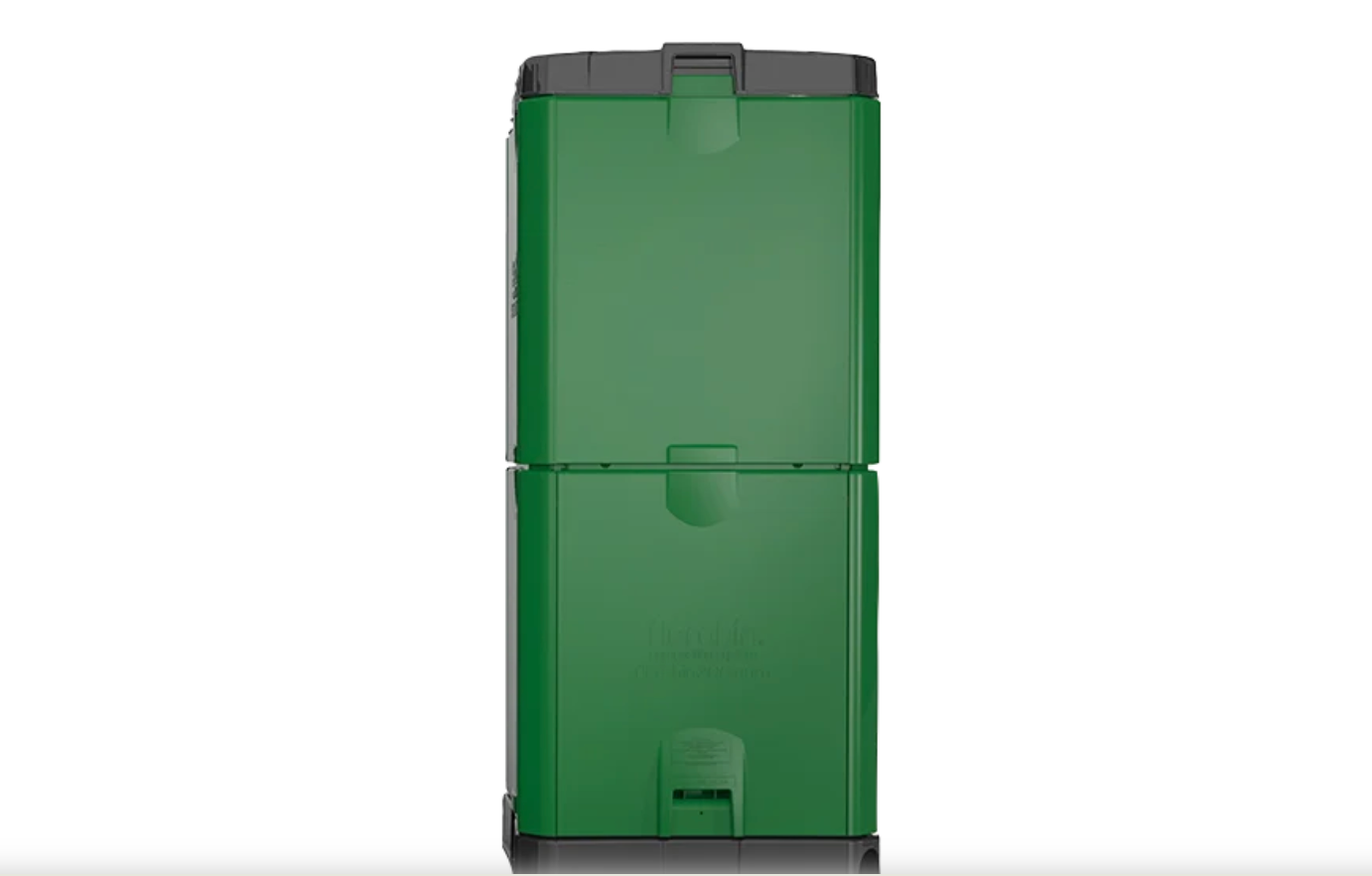
Looking for the best indoor worm composter usually means one thing: you want to turn kitchen scraps into garden gold without a backyard, a stink, or a trail of escaping worms. An indoor worm composter is simply a vermicomposting system designed to sit inside – on a balcony, in a laundry, a garage, or even a kitchen corner – rather than out in the weather. It’s the same basic process as an outdoor worm farm, just scaled and built for tighter spaces, lower odour, and easier liquid management.
The catch is that not every worm farm sold in Australia actually suits indoor use. Some leak, some lack ventilation, and some are simply too large for a unit. Below are the systems worth considering, based on how they perform in real Australian conditions and what they demand from you.
Quick Answer
If you want a shortlist, start here:
- Best overall for most homes: VermiHut Plus 5-Tray – affordable, expandable, well-reviewed, and genuinely indoor-friendly.
- Best for tight spaces: FCMP Outdoor Essential Living Composter – compact two-tray system that expands as your worm population grows.
- Best Australian-made budget pick: Maze Worm Farm – low, square, and tough, with a small footprint for balconies and laundries.
- Best for kitchen aesthetics: Urbalive Worm Farm – designed to be seen, not hidden, though you’ll pay for the looks.
- Best for high-volume households: Hungry Bin – a continuous-flow system that handles serious waste, but it’s expensive and needs more room.
- Best made-in-Australia workhorse: Tumbleweed Worm Café – a proven stacked-tray design that handles 5–6kg of scraps weekly.
Here’s how they compare. Treat the prices as approximate – Australian retail prices shift with stock and sales, so always check the current listing before buying. None of these come with worms included unless stated.
| Product | Best for | Approximate capacity | Indoor suitability | Key advantage | Main drawback | Approx. AU price |
|---|---|---|---|---|---|---|
| VermiHut Plus 5-Tray | Most households | ~50L (5 trays, expandable) | Excellent – vented lid, odour-control mat | Most-reviewed, expandable, built-in worm-tea tap | Needs shelter from direct sun | ~$129 (check current listing) |
| FCMP Essential Living Composter | Small spaces | ~30L (2 trays, expandable) | Good – compact, UV-stable | Tiny footprint, expands as worms multiply | Lighter build than Australian rivals | ~$76–$159 (check current listing) |
| Maze Worm Farm | Budget buyers, balconies | 2 working trays (rotating) | Very good – compact and tidy | Made in Australia, low square footprint | Smaller capacity per tray | ~$79–$99 (check current listing) |
| Tumbleweed Worm Café | Families, high waste volume | 3 trays, processes 5–6kg/week | Good – ventilated, hinged lid | Australian-made, proven design, generous capacity | Round shape uses more floor space | ~$99 (check current listing) |
| Urbalive Worm Farm | Design-conscious apartment dwellers | 2 stacking beds, ~6.65kg unit weight | Excellent – designed for indoor use | Award-winning looks, odour-free operation | Expensive, worms sold separately | ~$285–$365 (check current listing) |
| Hungry Bin | Large households, minimal fuss | Continuous flow, up to ~2L scraps/day | Possible but bulky – best in garage/laundry | Self-harvesting, high capacity, rodent-resistant | Price, size, and weight | ~$449–$549 (check current listing) |
| Can-O-Worms | Australian classic, round-tray fans | 3 working trays, ~2kg/week | Good with ventilation | Long-proven design, easy casting harvest | Round footprint, legs can bow when full | ~$150–$300 (check current listing) |
Best Indoor Worm Composters
VermiHut Plus 5-Tray Worm Composter
What it is: A stacked-tray vermicomposter with five working trays, a vented lid, a coconut-fibre moisture mat, and a built-in tap for draining worm tea. It’s one of the most widely sold worm farms on Amazon Australia and the default recommendation for a reason.
How it works: You start with one or two trays. Worms process food in the lower tray, then migrate upward as you add fresh food to the tray above. Finished castings are left behind in the lower tray for harvesting. The M-board and V-board system is designed to improve airflow and moisture control.
Indoor suitability: This is genuinely indoor-friendly. The vented lid and moisture mat help keep odours down, and the tap means you’re not tipping the whole unit to drain liquid. It does need to be out of direct sun – the plastic will heat up and cook your worms if you leave it on a west-facing balcony in summer.
Practical trade-offs: Five trays means it’s taller than compact two-tray systems, so check your shelf or laundry height. The tap is a genuine convenience, but you need to empty it regularly or it can overflow. Assembly takes minutes, not hours.
Who should buy it: Anyone who wants a proven, expandable system without paying premium prices. It suits couples and small families producing a moderate amount of kitchen scraps.
Who should avoid it: People with very limited vertical space, or anyone who wants a system that looks like furniture rather than a worm farm.
FCMP Outdoor Essential Living Composter
What it is: A compact two-tray vermicomposter made from UV-stabilised recycled polypropylene. It’s designed for small spaces and can be expanded with additional trays as your worm population grows.
How it works: The two-tray design uses 52 angled migration tunnels to guide worms upward between trays. You feed into the top tray, and worms move up as they finish the lower layer. There’s a bottom harvest door for removing castings.
Indoor suitability: The small footprint – roughly 38cm square – makes it one of the easiest systems to tuck into a corner. The UV-stable plastic handles a sunny balcony better than cheaper alternatives, but indoors it’s happy in a laundry or under a bench.
Practical trade-offs: The build quality is lighter than Australian-made rivals like Maze. It works, but it doesn’t feel indestructible. Capacity is modest at around 30L, so it suits a single person or couple rather than a family producing large volumes of scraps.
Who should buy it: Apartment dwellers with minimal floor space who want to start small and expand later.
Who should avoid it: Households generating more than a kilo or two of food scraps per week.
Maze Worm Farm
What it is: An Australian-designed and made worm farm with two working trays that rotate. It has a low, square footprint and is sold through Bunnings and other Australian retailers.
How it works: Traditional stacked-tray system – you feed the top tray, worms migrate upward, and you rotate the trays to harvest castings from the bottom. No extra trays are strictly necessary because you rotate the two you have.
Indoor suitability: Very good. The square shape fits neatly against a wall, and the low height means it slides under benches or into laundry corners. It’s one of the most affordable genuinely indoor-suitable options in Australia.
Practical trade-offs: Capacity per tray is smaller than larger systems, so you’ll be harvesting more frequently. The legs are functional but not premium – on uneven surfaces it can wobble slightly. Check that worms are sold separately, as the farm itself is just the housing.
Who should buy it: Budget-conscious buyers who want an Australian-made product with a small footprint. Also good for balconies where space is tight.
Who should avoid it: Large families or anyone wanting a set-and-forget system.
Tumbleweed Worm Café
What it is: A three-tray stacked worm farm made in Australia from 100% recycled plastic. It’s designed for both indoor and outdoor use and processes 5–6kg of kitchen waste per week once established.
How it works: Three large working trays plus a collector tray with a built-in worm mound and drainage tap. The ventilated hinged lid keeps things tidy and accessible. Worms migrate upward through the trays as they finish each layer.
Indoor suitability: Good, provided you have the floor space. The round design is efficient for worm migration but takes up more footprint than square systems. It’s best suited to a laundry, garage, or covered balcony rather than a tight kitchen corner.
Practical trade-offs: The round shape means castings don’t get stuck in corners, which is a genuine advantage for harvesting. The capacity is generous for the price. However, the legs on earlier models have been known to bow when the unit is full and heavy – something to watch if you’re moving it around.
Who should buy it: Families or households with a consistent supply of kitchen scraps who want a proven Australian-made system.
Who should avoid it: People with very tight floor space or those wanting a decorative unit.
Urbalive Worm Farm
What it is: A Czech-designed indoor worm farm that won a Red Dot design award. It’s built to be seen, with a clean, furniture-like appearance that won’t look out of place in a kitchen or living area.
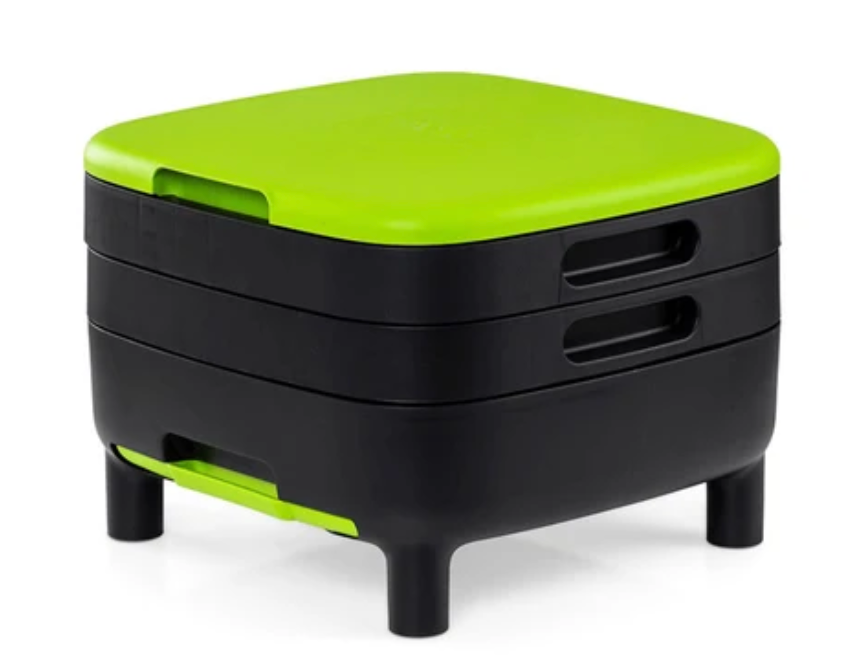
How it works: Two stacking beds with a collection tray for worm tea. The system includes a starter substrate, hemp mat, and shovel. It’s designed for year-round indoor use on a patio or balcony as well as inside.
Indoor suitability: Excellent. This is one of the few worm farms genuinely designed to sit in plain sight indoors. It’s odour-free when managed correctly and the build quality is solid at 6.65kg.
Practical trade-offs: It’s expensive – often two to three times the price of a VermiHut or Maze. The capacity is modest for the price, and worms are sold separately. You’re paying for design and indoor suitability, not raw composting volume.
Who should buy it: Apartment dwellers who want a system that looks intentional rather than industrial, and who are willing to pay for that.
Who should avoid it: Budget-focused buyers, large households, or anyone who needs serious processing capacity.
Hungry Bin
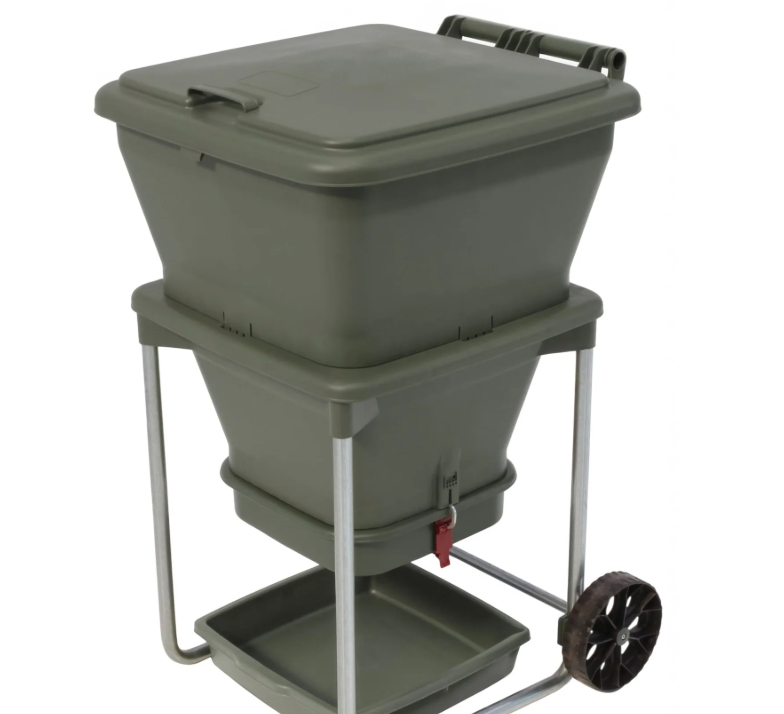
What it is: A continuous-flow worm farm designed in New Zealand and popular in Australia. It’s a single tall bin where you feed from the top and harvest castings from the bottom, without rotating trays.
How it works: Worms process food at the top of the bin. As castings accumulate, they push downward and are harvested through a lower hatch. The design means you’re not lifting heavy trays or disturbing the worm population.
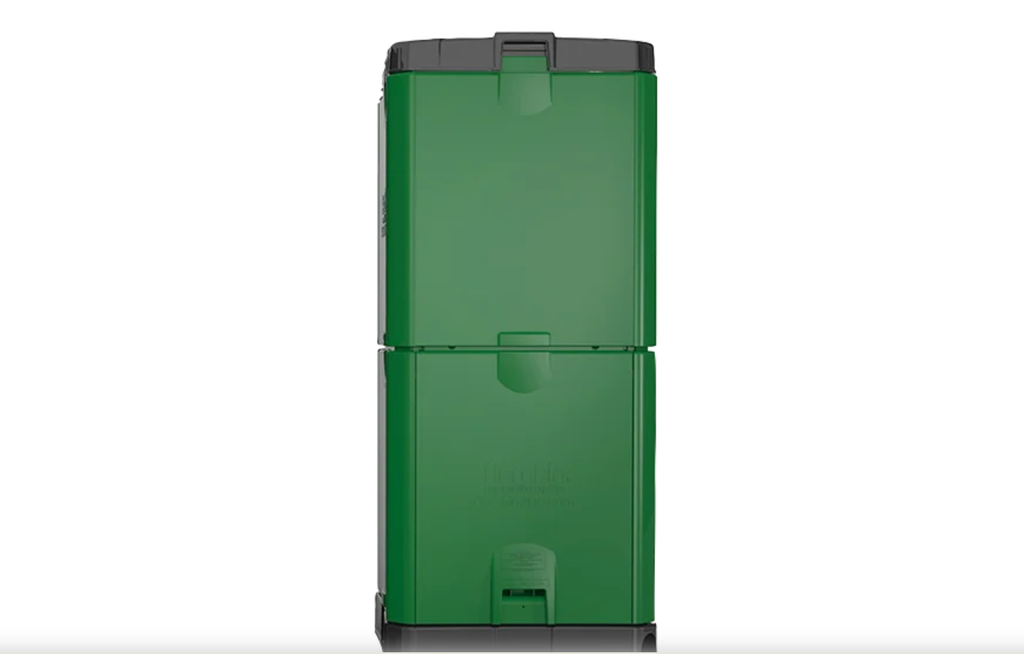
Indoor suitability: Possible but not ideal in a small apartment. At roughly 65cm long, 60cm wide, and 95cm tall, it’s a substantial unit. It works well in a garage, large laundry, or covered outdoor area. The tight-fitting lid and ventilation make it pest-resistant, which is a plus if you’re worried about rodents.
Practical trade-offs: The price is the biggest barrier – expect to pay $449–$549 depending on whether worms are included. It’s also heavy when full, so once you’ve positioned it, you won’t want to move it often.
Who should buy it: Larger households producing significant food waste who want minimal maintenance and maximum capacity.
Who should avoid it: Apartment dwellers with limited space, or anyone on a tight budget.
Can-O-Worms
What it is: One of Australia’s longest-running worm farm designs, originally developed by RELN in the early 1990s and still widely sold. It’s a round, stacked-tray system with a drip tray and worm tea tap.
How it works: Three working trays plus a collector tray. You feed the top tray, and worms migrate upward as they finish the lower layers. The round shape means castings don’t compact into corners, making harvesting easier than square-tray systems.
Indoor suitability: Good with proper ventilation. It’s bulkier than compact two-tray systems but not as tall as a five-tray VermiHut. It works in a laundry or covered balcony.
Practical trade-offs: The design is proven but not perfect. Early models had issues with legs buckling under weight. If you’re buying second-hand, inspect the legs carefully. New units are made from 100% recycled plastic and are generally robust.
Who should buy it: Traditionalists who want a reliable, Australian-designed system with a large user base and readily available spare parts.
Who should avoid it: Anyone wanting a compact or decorative indoor unit.
Comparison: Which Type of Indoor Worm Composter Suits You?
The “best” system depends entirely on your circumstances, not on which product has the most stars online.
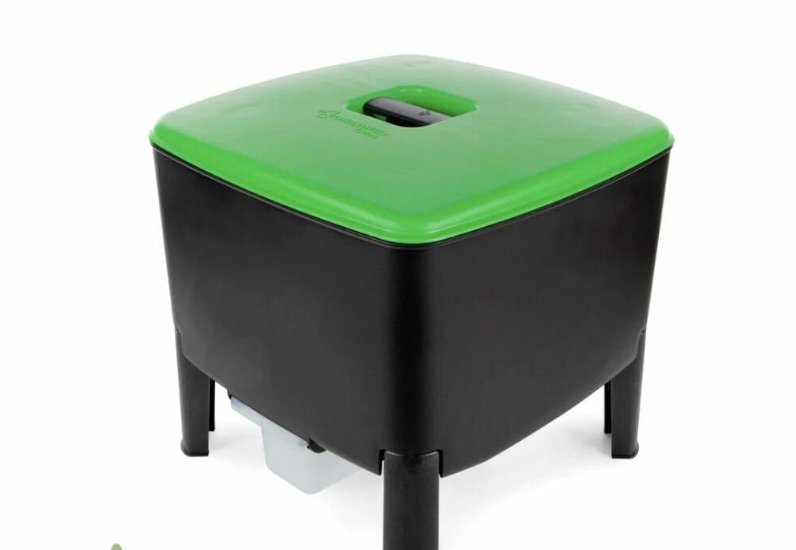
Traditional stacked-tray systems (VermiHut, Maze, Worm Café, Can-O-Worms) are the most common. You feed the top tray, worms migrate up, and you harvest finished castings from lower trays. They’re intuitive, expandable, and generally affordable. The trade-off is that harvesting requires lifting trays, which can be awkward if the unit is tall or heavy.
Compact indoor systems (FCMP Essential Living, smaller Maze setups) prioritise footprint over capacity. They suit apartment dwellers and single-person households. The trade-off is more frequent harvesting and less waste processing capacity.
Decorative kitchen-friendly systems (Urbalive) are designed to be seen. They cost more, process less, but solve the aesthetic problem that stops many people from keeping a worm farm indoors. If the alternative is not composting at all because you don’t want an ugly bin in your kitchen, the premium may be worth it.
Continuous-flow systems (Hungry Bin, Urban Worm Bag) work differently: you feed the top, harvest from the bottom, and never rotate trays. They’re excellent for high-volume households but are typically too large for small apartments.
Electric food-waste composters (like the FoodCycler) are worth mentioning as an alternative, but they’re not worm composting. They dehydrate and grind food waste into a dry powder, which is a different product entirely. They suit people who want zero maintenance and don’t care about producing worm castings. They’re also significantly more expensive to run.
Can You Keep a Worm Composter Indoors?
Yes, but “indoors” covers a lot of ground. A worm farm in a well-ventilated laundry is a different proposition to one in a small kitchen with no airflow.
Odour is the biggest concern for most people, and the honest answer is that a properly managed worm farm should not smell bad. It should smell like damp earth, if anything. If it smells sour or rotten, you’re overfeeding, the bedding is too wet, or food is sitting exposed. Those are fixable problems, not inherent flaws in the concept.
Moisture is the next issue. Worm bedding should feel like a wrung-out sponge – damp but not dripping. If you squeeze a handful and water runs out, it’s too wet. Excess moisture creates anaerobic conditions, which cause odour and can drown worms. The drainage tap or tray is there for a reason: use it.
Temperature matters more than many beginners realise. Composting worms are most active between roughly 15°C and 25°C. They slow down in cold and can die in heat. An indoor location that stays within that range – away from ovens, heaters, and direct sun – is ideal. A garage that hits 35°C in a Perth summer is not.
Light isn’t a dealbreaker because worms are photophobic – they avoid light naturally. But a system in full sun will overheat, and clear or translucent bins will stress the worms. Keep them dark or shaded.
Ventilation prevents condensation, odour buildup, and fruit flies. A laundry with a window, a covered balcony, or a garage with airflow works well. A sealed cupboard does not.
Fruit flies and mites are the most common indoor complaints. They’re manageable: bury food under bedding, freeze scraps before feeding to kill fruit-fly eggs, and avoid overfeeding. A worm blanket or moist newspaper layer on top of the bedding helps.
Worms escaping happens when conditions are wrong – too wet, too dry, too hot, too acidic, or overcrowded. Healthy worms stay put. If you find dried worms on the floor, the bedding is usually the problem, not the worms.
Liquid leakage is preventable. Always place the unit on a tray or in a shallow container, and empty the drainage tap regularly. Worm tea is valuable – dilute it 1:10 with water and use it on plants – but it’s also corrosive if it sits on a floor or carpet.
Overloading is the most common beginner mistake. Start with a small amount of food and increase gradually as your worm population grows. A new worm farm with 500g of worms cannot process a week’s worth of family food scraps from day one. It takes two to three months for the population to establish.
How to Set Up an Indoor Worm Composter
1. Choose the location first. Before you assemble anything, decide where the unit will live. It needs to be out of direct sun, away from extreme heat and cold, and accessible enough that you’ll actually use it. A laundry bench, a covered balcony, or a garage shelf are good starting points.
2. Prepare the bedding. Shredded newspaper, coconut coir, or aged compost all work. Moisten it until it feels like a wrung-out sponge. Add a handful of soil or rock dust for grit – worms use grit in their digestive system.
3. Add composting worms. Red wrigglers (also called tiger worms) are the standard for indoor systems in Australia. Don’t use garden earthworms – they’re different species and won’t thrive in a bin. Start with 250–500g of worms for a compact system.
4. Leave them to settle. Give the worms a few days to adjust before feeding. They’ll explore the bedding and start processing it.
5. Add food gradually. Start with a small amount – a cupful of soft scraps like banana peels or vegetable trimmings. Bury it under the bedding. Increase the amount only when the previous feeding has been mostly consumed.
6. Maintain moisture. Check the bedding weekly. If it’s too dry, mist it with water. If it’s too wet, add dry shredded cardboard or newspaper and hold off on feeding for a few days.
7. Cover the food. Always bury food under bedding or a worm blanket. This reduces odour, discourages fruit flies, and keeps the surface tidy.
8. Harvest castings. In a stacked-tray system, the bottom tray is ready when it’s dark, crumbly, and mostly castings rather than recognisable food. Remove it, let any remaining worms migrate to the next tray, and use the castings in your garden.
9. Manage worm tea. Empty the drainage tap or tray every week or two. Dilute the liquid 1:10 with water before using it on plants. Undiluted worm tea can burn roots.
What to Feed Worms (and What to Avoid)
Good foods for Australian households:
- Vegetable scraps – peelings, tops, stalks, soft leftovers
- Fruit scraps – banana peels, apple cores, melon rinds (in moderation)
- Coffee grounds and used tea leaves – worms love them, and they’re slightly acidic in a good way
- Crushed eggshells – good for grit and help balance acidity
- Torn cardboard and newspaper – bedding and food combined
- Small amounts of cooked pasta or rice – plain, not oily or sauced
Foods to limit or avoid:
- Citrus and onion – fine in small amounts, but large quantities make the bedding too acidic
- Meat, fish, and dairy – these rot and smell, attract pests, and aren’t good for worm health
- Bread in large quantities – it goes mouldy and gets slimy
- Oily or processed foods – they don’t break down well and can create odour
- Pet waste – dog and cat faeces can carry pathogens and shouldn’t go in a worm farm
A practical tip: freeze scraps before feeding. Freezing breaks down cell walls (making food easier for worms to process) and kills fruit-fly eggs and larvae that might otherwise hatch in your bin.
Troubleshooting Indoor Worm Farms
| Problem | Likely cause | What to do |
|---|---|---|
| Bad smell (sour, rotten) | Overfeeding, too wet, food exposed | Stop feeding for a week, add dry bedding, bury food under bedding |
| Fruit flies | Food exposed, overfeeding, warm conditions | Bury food deeper, freeze scraps before feeding, add a worm blanket |
| Worms escaping | Too wet, too dry, too hot, overcrowded | Check moisture, move to a cooler spot, split the population if overcrowded |
| Too much liquid | Overwatering, food with high water content | Add dry bedding, empty the tap more often, reduce watery scraps |
| Worms dying | Extreme temperature, chemical exposure, drowning | Move to a stable location, check for pesticide residue on scraps, improve drainage |
| Food not breaking down | Too cold, too dry, not enough worms, food too large | Check temperature, moisten bedding, chop food smaller, be patient as population grows |
Australian Climate Considerations
Australia’s climate is hard on worm farms, and indoor systems aren’t immune.
Hot summers are the biggest risk. In Perth, Adelaide, and inland areas, a garage or balcony can easily exceed 35°C. Worms die when bedding temperatures climb past about 30–32°C. If your indoor location gets hot, consider moving the unit to a cooler room, adding frozen water bottles wrapped in a towel to the bedding, or insulating the unit. Don’t rely on a fan – worms need stable, not moving, air.
Cold southern winters slow worms down but rarely kill them. In Tasmania, Victoria, and southern NSW, a garage or laundry can drop below 10°C. Worms will reduce feeding and reproduction. You can insulate the unit with blankets or move it to a warmer room. Don’t try to heat it artificially – sudden temperature swings are worse than steady cold.
Humidity in Brisbane and northern NSW can make bedding too wet. Increase dry cardboard in the mix and check drainage more often.
The practical rule: keep the worm farm where you’d be comfortable in a t-shirt. If it’s too hot or too cold for you, it’s too hot or too cold for the worms.
What to Look for in an Indoor Worm Composter
Footprint and height. Measure your intended space before buying. A five-tray system can be 80cm tall or more. A compact two-tray unit might be half that. Height matters as much as width in an apartment.
Capacity and number of trays. More trays mean more capacity but also more height and more harvesting steps. Two working trays suit one or two people. Three to five trays suit families.
Drainage. A tap is better than a tray. Taps let you drain liquid without disturbing the unit. Trays require you to lift the whole thing, which is awkward when it’s full.
Ventilation. Look for a vented lid or airflow channels. Poor ventilation leads to condensation, odour, and unhappy worms.
Ease of harvesting. Stacked trays are generally easier than single-bin systems. Continuous-flow systems are easiest of all but are larger and more expensive.
Build quality. Thicker plastic lasts longer. Australian-made units (Maze, Tumbleweed) are generally built for local conditions. Cheaper imports may discolour or crack in UV light if used outdoors.
Appearance. This matters more than you’d think. If you’re keeping the unit in your kitchen, a system that looks like a bin will bother you. The Urbalive exists precisely because aesthetics matter to some buyers.
Replacement parts and worm availability. Check that you can buy extra trays, taps, and legs if needed. And confirm that composting worms are available locally – many hardware stores and online suppliers sell them, but you don’t want to discover a shortage after you’ve bought the farm.
Price. Budget $79–$150 for a solid starter system, $250–$400 for a premium indoor unit, and $450+ for a high-capacity continuous-flow system. Remember that worms are usually extra.
Who Should Buy an Indoor Worm Composter?
Apartment dwellers – yes, if you have a balcony, laundry, or well-ventilated corner. A compact two-tray system or a decorative unit like the Urbalive suits best.
Families – yes, if you choose a three-to-five-tray system or a Hungry Bin. You’ll need the capacity.
Beginners – yes. Start with a two-tray or three-tray system and 500g of worms. Don’t overbuy.
People with very small kitchens – maybe. A worm farm in a tiny kitchen can work if it’s well-ventilated and you’re disciplined about not overfeeding. But a Bokashi bin might suit better if space is genuinely tight.
People producing lots of food scraps – yes, but size up. A compact two-tray unit won’t keep up with a family of four. Look at the Hungry Bin or a five-tray system.
Gardeners wanting worm castings – absolutely. Worm castings are one of the best soil amendments you can make at home, and an indoor system means you can produce them year-round.
People who dislike outdoor worm farms – yes. The whole point of an indoor system is that it’s cleaner, more accessible, and less exposed to the elements. If you’ve tried an outdoor farm and found it messy or neglected, an indoor unit may change your mind.
When an indoor worm composter may not be right: If you can’t maintain a stable temperature, if you’re away from home for weeks at a time, if you produce more scraps than any reasonable worm farm can handle, or if you’re not prepared to manage moisture and feeding consistently. Worms are low-maintenance but not zero-maintenance.
Frequently Asked Questions
Can you keep a worm farm indoors?
Yes. Many systems are designed specifically for indoor use. The key requirements are stable temperature, good ventilation, and consistent moisture management. A laundry, covered balcony, or garage works well.
Do indoor worm farms smell?
A properly managed worm farm should not smell bad. It should smell like damp earth. If it smells sour or rotten, you’re overfeeding, the bedding is too wet, or food is exposed. Fix those issues and the smell goes away.
What is the best worm composter for an apartment?
For most apartments, a compact two-tray system like the FCMP Essential Living Composter or a small Maze Worm Farm is the best fit. If you want something that looks good in the kitchen, the Urbalive is worth the premium.
Can worm farms attract flies?
They can attract fruit flies if food is exposed or the system is overfed. Bury food under bedding, freeze scraps before feeding, and add a worm blanket to the surface.
Can I keep a worm farm in my kitchen?
Yes, if the kitchen is well-ventilated and you have bench or floor space. A decorative unit like the Urbalive makes this more practical. If your kitchen is small and closed off, a laundry or balcony is a better choice.
What worms are best for indoor composting?
Red wrigglers (Eisenia fetida), also called tiger worms, are the standard for indoor systems. They’re available from hardware stores, garden centres, and online suppliers across Australia.
How often do indoor worm farms need feeding?
Every few days to once a week, depending on the size of your system and worm population. Start small and increase as the population grows. Overfeeding is the most common beginner mistake.
Can indoor worm farms handle all kitchen scraps?
No. Fruit and vegetable scraps, coffee grounds, tea leaves, and crushed eggshells are ideal. Meat, dairy, oily foods, and large amounts of citrus or onion should be avoided or limited.
Is worm tea safe to use on plants?
Yes, but dilute it first – roughly one part worm tea to ten parts water. Undiluted worm tea is strong and can burn plant roots.
How do you stop worms escaping?
Keep the bedding moist but not wet, maintain a comfortable temperature, avoid overfeeding, and don’t let the system become overcrowded. Worms escape when conditions are wrong, not because they want to explore.
1 thought on “Best Indoor Worm Composter in Australia: 7 Options Worth Considering”