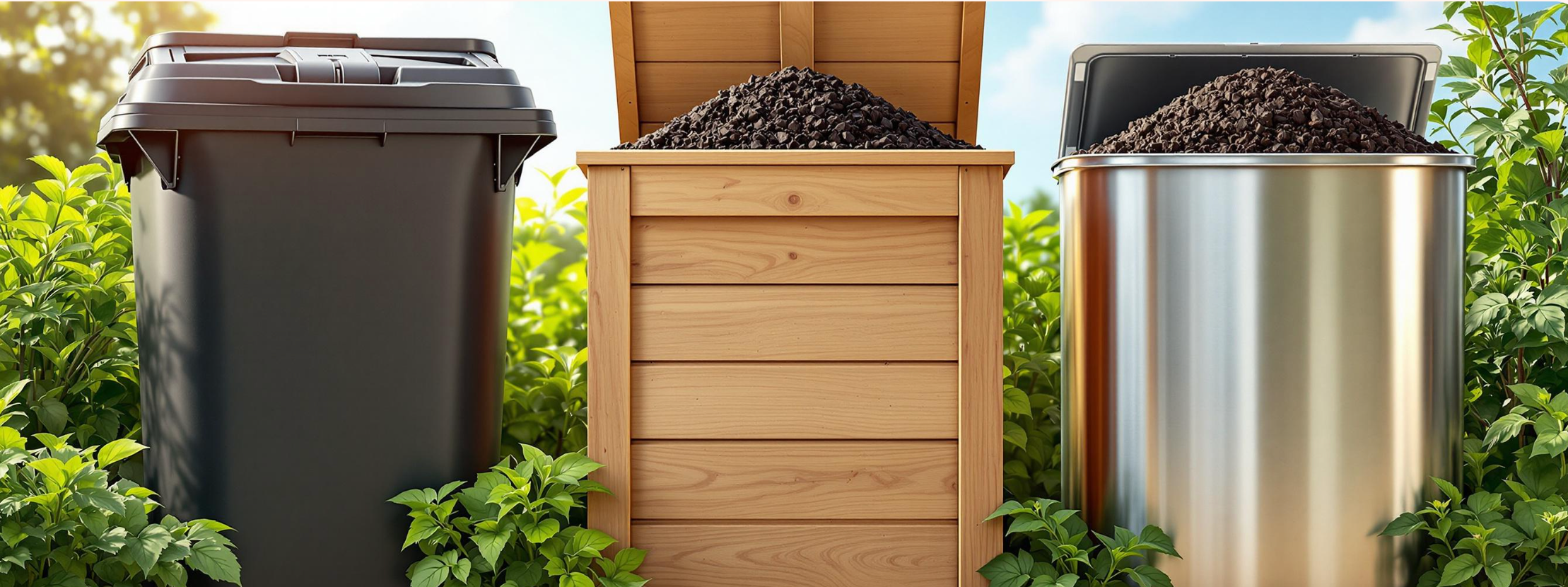
The best material for a compost bin depends on your priorities, but for most Australian gardeners, UV-stabilised plastic or untreated hardwood offer the best balance of durability, airflow, and value. Plastic excels in moisture retention and pest resistance; timber wins on sustainability and breathability; metal and wire mesh suit specific situations but come with trade-offs. There is no single “best” material, only the best material for your climate, budget, and gardening style.
This guide breaks down every major compost bin material, explains how each performs in Australian conditions, and helps you choose with confidence.
Why Compost Bin Material Matters
A compost bin isn’t just a container. It’s an active biological system that needs oxygen, moisture, and temperature regulation. The material you choose directly affects how well that system works.
Get it wrong and you’ll deal with smells, pests, slow decomposition, or a bin that falls apart within two summers. Get it right and you’ll produce crumbly, nutrient-rich compost with minimal fuss.
The key factors to weigh are:
- Airflow — aerobic microbes need oxygen; anaerobic conditions smell and slow things down
- Moisture balance — too wet or too dry stalls decomposition
- Durability — especially against UV, heat, and moisture
- Pest resistance — rodents and insects exploit gaps and weaknesses
- Safety — some materials can leach chemicals or contain contaminants
- Sustainability — recycled content, biodegradability, and lifecycle impact
For Australian gardeners, UV exposure and extreme temperature swings add another layer. A material that works well in a cool, damp climate may fail in Perth’s summer sun or far north Queensland’s humidity.
Plastic Compost Bins
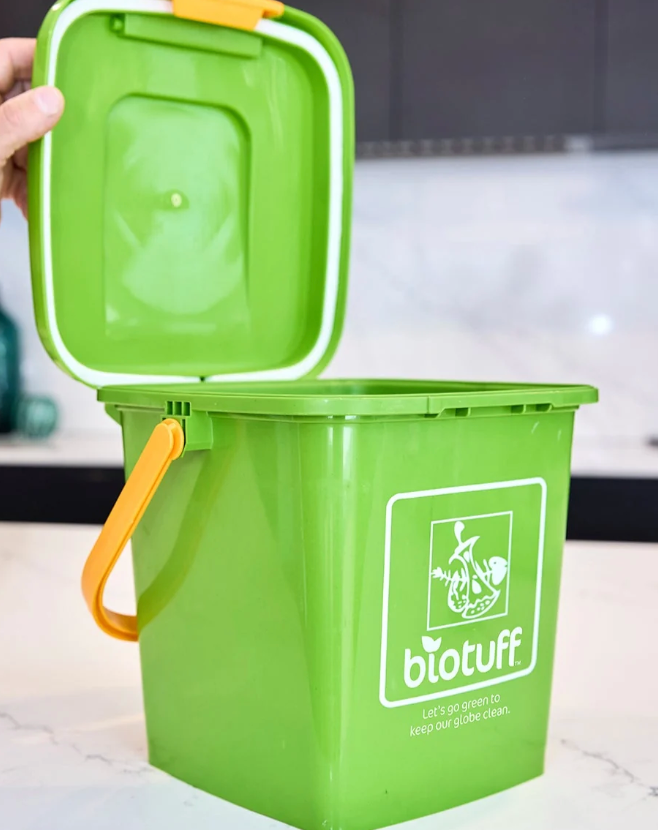
Plastic is the most common compost bin material for good reason. It’s lightweight, affordable, easy to clean, and available in every imaginable size and shape.
Types of Plastic Used
Most compost bins use high-density polyethylene (HDPE) or polypropylene (PP). Both are durable, UV-resistant when stabilised, and resistant to rot and corrosion. HDPE is the same plastic used in many outdoor furniture and children’s play equipment.
Recycled plastic bins are increasingly common and perform essentially the same as virgin plastic, provided the recycled content is properly processed. Some manufacturers use 100% recycled plastic, which reduces the environmental cost of the bin itself.
Advantages
- Excellent moisture retention — plastic doesn’t absorb water, so the compost stays consistently moist
- Lightweight and portable — easy to move, empty, and reposition
- Pest-resistant — solid plastic with a secure lid keeps rodents and insects out
- Easy to clean — a hose-down is usually enough
- Long lifespan if UV-stabilised — quality plastic bins can last 10–15 years
- Affordable — basic models start around $30–80 in Australia; tumblers range from $150–400
Disadvantages and Concerns
- Poor airflow unless well-designed — solid plastic walls limit oxygen exchange; you rely on vents, aeration holes, or a tumbler design
- Can become too wet — excellent moisture retention becomes a problem if drainage or browns are insufficient
- Heat retention can be a double-edged sword — plastic bins warm up quickly in Australian sun, which can accelerate composting but may also cook the microbes if the bin overheats
- UV degradation — cheap or non-UV-stabilised plastic becomes brittle and cracks after a few seasons of Australian sun
- Microplastic concerns — ongoing research suggests even BPA-free plastics may release microplastics into compost; the science is not settled, but gardeners growing food may wish to consider alternatives
What to Look For When Buying Plastic
- UV-stabilised or UV-resistant — essential for Australian conditions
- Ventilation — look for built-in vents, aeration holes, or a tumbler design that allows turning
- Drainage — some models have a base plate with drainage holes; others sit directly on soil
- Removable lid or access door — makes harvesting far easier
- Recycled content — if sustainability matters, check the specifications
- Thickness — thin plastic buckles when full; thicker walls resist distortion
Timber and Wood Compost Bins
Wood is the traditional compost bin material, and for good reason. It looks natural, breathes well, and can be built from recycled or reclaimed timber at low cost.
Types of Timber
Untreated hardwood — jarrah, ironbark, spotted gum, or recycled hardwood sleepers — is the gold standard. It’s dense, rot-resistant, and lasts well even in contact with moist compost. The trade-off is cost and weight.
Untreated softwood — pine, fir, cedar — is cheaper and lighter but decomposes faster in contact with soil and moisture. Cedar has some natural rot resistance and is a reasonable middle ground.
Treated timber — this is where things get complicated. Modern treated pine in Australia is generally treated with copper-based preservatives (ACQ or Copper Azole), not the older CCA (chromium-copper-arsenic) formulations. Copper-based treatments are considered lower-risk, but the long-term safety of using treated timber in food-growing systems is still debated. Some gardeners avoid it entirely for compost bins intended for vegetable gardens .
Advantages
- Excellent airflow — slatted or gap-board construction allows passive aeration
- Breathable — wood absorbs and releases moisture, helping buffer against swings
- Aesthetically pleasing — blends into garden settings better than plastic
- Renewable and often recycled — pallets, scrap timber, and old boards can be repurposed
- Good insulation — wooden bins maintain more stable internal temperatures
- DIY-friendly — basic carpentry skills and simple tools are enough
Disadvantages
- Rot over time — constant moisture and soil contact accelerate decomposition of the wood itself
- Termite risk — in many parts of Australia, moist timber in contact with soil attracts termites
- Pest access — gaps between boards can allow rodents and other pests
- Heavier than plastic — harder to move once filled
- Variable quality — untreated softwood may last only 3–5 years; hardwood can last 10–15 with care
- Treatment uncertainty — if you’re using treated timber, research the specific treatment and make an informed decision
Timber Treatment and Food Safety
The question of whether treated timber is safe for compost bins that feed vegetable gardens has no simple answer.
What we know: Modern copper-based treatments (ACQ, Copper Azole) are less toxic than the old CCA formulations that contained arsenic. The copper is the active ingredient, and copper is also a plant micronutrient.
What’s uncertain: Whether copper or other preservatives migrate into compost in meaningful quantities, and whether that matters for soil health or food safety over many years. Research is limited.
Practical approach: If you’re growing food, use untreated hardwood or cedar. If using treated timber, keep it out of direct contact with the compost (line the bin with untreated boards or hardware cloth) and accept that this is a risk-tolerance decision. For ornamental gardens, treated timber is generally considered acceptable .
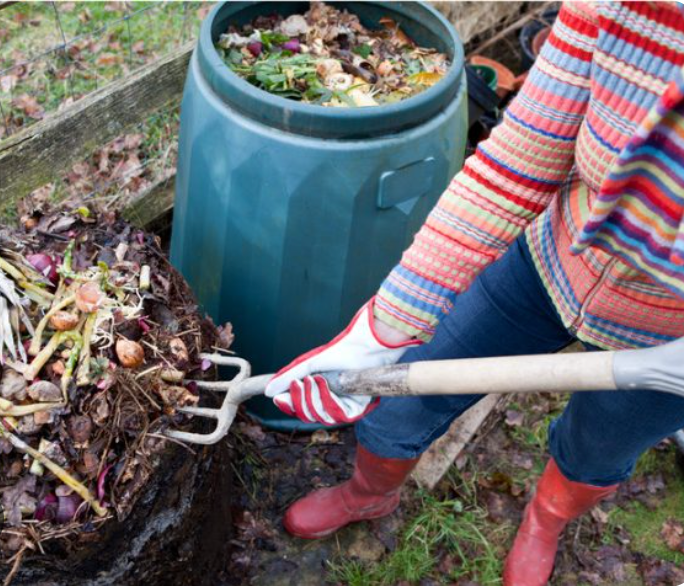
Metal Compost Bins
Metal compost bins are less common than plastic or wood, but they have specific advantages in certain situations.
Galvanised Steel
Galvanised steel is coated with zinc to resist corrosion. It’s durable, relatively affordable, and handles Australian weather reasonably well, except in coastal areas where salt accelerates corrosion.
Concerns about galvanised steel: Some sources suggest that tannic acid from decomposing organic matter could release trace amounts of lead, cadmium, or chromium from the zinc coating . The quantities involved are generally described as trace or negligible. Galvanised containers have been used for livestock feed and water for decades without documented harm. However, if you’re particularly cautious about heavy metals in your food-growing system, this is a consideration.
Stainless Steel
Stainless steel is highly corrosion-resistant and durable, but expensive. It’s rarely used for home compost bins due to cost, though it’s common in commercial composting facilities where corrosion resistance matters .
Aluminised Steel
Aluminised steel has an aluminum-silicon coating that resists corrosion better than galvanised in some conditions. It’s sometimes used for roofing and culverts, and can work for compost bins, though it’s not a common retail option.
Advantages of Metal
- Durable — resistant to rot, pests, and UV degradation
- Good heat conduction — can help maintain compost temperature in cool conditions
- Rodent-proof — solid metal walls and lids keep pests out
- Long lifespan — with proper corrosion resistance, metal bins can last decades
Disadvantages
- Corrosion risk — especially in coastal or humid environments; galvanised coatings degrade over time
- Heat absorption — metal bins get very hot in direct sun, which can overheat the compost in Australian summers
- Heavy — harder to move than plastic
- Conductive — hot metal surfaces are a burn risk
- Cost — stainless steel is expensive; galvanised is more affordable but less durable
Australian Weather Considerations
In hot, dry inland areas, metal bins can overheat and dry out compost rapidly. Positioning in partial shade is essential. In coastal areas, salt spray accelerates corrosion of galvanised steel. Stainless steel or powder-coated steel performs better, but at higher cost.
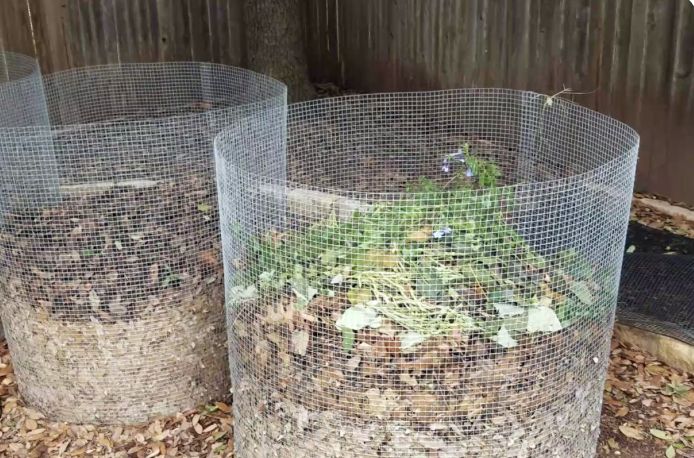
Wire Mesh Compost Bins
Wire mesh is the simplest and cheapest compost bin material. A cylinder of chicken wire or hardware cloth, held in place with stakes, is all you need.
Types of Mesh
- Chicken wire — thin, flexible, cheap; best for leaf mould and light materials
- Hardware cloth — welded wire with small openings (typically 1/4″ to 1/2″); more rigid and pest-resistant
- Welded wire mesh — similar to hardware cloth but often larger openings; good for structural bins
- Galvanised mesh — zinc-coated for corrosion resistance; standard for outdoor use
Advantages
- Excellent airflow — the entire surface is permeable; oxygen exchange is maximal
- Cheap and DIY-friendly — a wire cylinder bin can cost under $30 in materials
- Lightweight and portable — easy to move or reconfigure
- Great for leaf mould — ideal for processing autumn leaves and light garden waste
- Good for hot composting — excellent aeration supports aerobic activity
Disadvantages
- Poor moisture retention — dries out quickly, especially in Australian heat
- Limited pest resistance — rodents can chew through chicken wire; hardware cloth is better but still vulnerable at ground level
- No heat retention — mesh bins cool rapidly, which slows composting in winter or cool climates
- Structural weakness — chicken wire bins deform easily; hardware cloth holds shape better
- Unsightly for some — not the most attractive garden feature
When Mesh Works Best
Wire mesh bins are ideal for:
- Leaf mould — leaves break down slowly and don’t need pest protection
- Hot climates — where moisture retention is less critical and airflow matters more
- Temporary or rental situations — cheap, movable, and easy to dismantle
- Large-volume garden waste — prunings, grass clippings, and leaves
They’re less suitable for kitchen scraps, which attract pests, or for cool, wet climates where heat retention matters.
Recycled and Repurposed Materials
Using recycled materials for compost bins is sustainable and often cheap, but not all recycled materials are safe.
Good Options
- Recycled plastic bins — manufactured from post-consumer or post-industrial plastic; perform like virgin plastic
- Old pallets — untreated or heat-treated (look for “HT” stamp, not “MB” for methyl bromide); excellent for DIY bins
- Scrap timber — untreated offcuts from building projects; check for paint, stains, or treatments
- Old containers — large drums, bins, or crates that previously held food-safe materials
Options to Avoid or Investigate Carefully
- Pallets treated with methyl bromide (MB) — fumigant used for international shipping; avoid for food-growing systems
- Old painted timber — lead-based paint (pre-1970s) is a genuine concern; even modern paints can contain fungicides or other additives
- Containers that held chemicals — pesticides, solvents, oils, or unknown substances; residues can contaminate compost
- Treated timber of unknown origin — if you don’t know what it was treated with, don’t use it for food-growing compost
The principle is simple: if you wouldn’t want it in your soil, don’t put it in your compost bin.
Compost Bin Material Comparison
| Material | Durability | Airflow | Moisture Retention | Heat Behaviour | Maintenance | Cost | Sustainability | Best For |
|---|---|---|---|---|---|---|---|---|
| Plastic (virgin) | 10–15 years with UV stabilisation | Low to moderate (depends on design) | Excellent | Retains heat; can overheat in sun | Low | $30–400 | Moderate (petroleum-based) | Small gardens, renters, pest-prone areas |
| Recycled Plastic | Similar to virgin plastic | Low to moderate | Excellent | Retains heat | Low | $50–400 | Good (diverts waste) | Eco-conscious gardeners, same uses as virgin |
| Untreated Hardwood | 10–15 years | Good | Moderate (breathable) | Insulates well | Moderate (may need repairs) | $50–200 DIY | Excellent (renewable, often recycled) | Food gardens, large plots, DIY builders |
| Untreated Softwood | 3–7 years | Good | Moderate | Insulates well | Higher (rots faster) | $30–150 DIY | Good | Budget DIY, temporary bins |
| Treated Timber | 10–20 years | Good | Moderate | Insulates well | Low | $80–300 | Moderate (preservative concerns) | Ornamental gardens, where rot resistance matters |
| Galvanised Steel | 10–20 years (coastal: less) | Low to moderate | Good | Conducts heat; can overheat | Low | $100–300 | Moderate | Cool climates, pest-proof needs |
| Stainless Steel | 20+ years | Low to moderate | Good | Conducts heat | Very low | $300+ | Moderate | Coastal areas, long-term investment |
| Wire Mesh | 3–10 years (galvanised: longer) | Excellent | Poor | No retention | Low | $15–50 | Good (minimal material) | Leaf mould, hot climates, temporary bins |
Costs are indicative only. Australian prices vary by retailer, size, and design.
Which Material Is Best? A Nuanced Answer
There is no universal winner. The right choice depends on what you value most.
Best for durability: Stainless steel or high-quality UV-stabilised plastic. Both resist rot, pests, and weather for many years.
Best for DIY: Untreated timber and wire mesh. Both are cheap, widely available, and require only basic skills.
Best for airflow: Wire mesh, followed by slatted timber. Plastic and metal bins need engineered ventilation to compete.
Best for moisture retention: Plastic, especially enclosed designs. Timber is moderate; mesh is poor.
Best for low maintenance: Plastic or metal. No rot, no termites, minimal repairs.
Best for sustainability: Untreated hardwood from recycled sources, or recycled plastic. Both divert waste and reduce demand for new materials.
Best for small gardens: Plastic bins or tumblers. Compact, pest-resistant, and easy to manage.
Best for hot climates: Wire mesh or well-ventilated plastic. Metal can overheat; enclosed bins can dry out.
Best for renters: Plastic bins or wire mesh cylinders. Both are portable and don’t require permanent installation.
Best for budget gardeners: Wire mesh or pallet timber. Both can be built for under $50.
Choosing Compost Bin Materials for the Australian Climate
Australia’s climate is not one thing. A material that thrives in Hobart may fail in Darwin.
UV Exposure
Australia has some of the highest UV levels in the world. Plastic bins that aren’t UV-stabilised become brittle and crack within 2–3 summers . If you’re buying plastic, check for UV resistance. Timber and metal are less affected by UV, though timber finishes may fade or crack.
High Temperatures
In inland and northern areas, compost bins can reach internal temperatures of 60–70°C during active decomposition. Metal bins in full sun can exceed this, potentially killing beneficial microbes and drying out the pile. Plastic bins also retain heat. In hot climates, position bins in partial shade and consider mesh or well-ventilated designs.
Dry Conditions
In dry regions like Perth or inland South Australia, moisture retention becomes critical. Plastic bins lose less moisture than mesh or timber. If using mesh, you’ll need to water the pile regularly and cover it to reduce evaporation.
Heavy Rainfall and Humidity
In tropical northern Australia and coastal areas, the challenge is excess moisture, not dryness. Timber and mesh bins drain and breathe better than plastic, reducing the risk of waterlogged, anaerobic compost. Ensure any bin has good drainage and consider a lid or cover for heavy rain periods.
Coastal Environments
Salt spray accelerates corrosion of galvanised steel and degrades some plastics. Stainless steel, powder-coated steel, or thick UV-stabilised plastic perform better. Timber may also weather faster in coastal humidity.
Bushfire-Prone Areas
Metal and masonry bins are non-combustible; timber and plastic are not. In bushfire-prone areas, consider the placement of your bin and whether it could contribute to fire risk. This is a minor consideration compared to broader property protection, but worth noting.
Regional Examples
- Perth: Hot, dry summers; intense UV. UV-stabilised plastic or timber in partial shade. Mesh bins need regular watering.
- Sydney: Humid summers, mild winters. Plastic or timber work well. Mesh is good for leaf mould.
- Melbourne: Variable weather, cool winters. Plastic or timber retain heat better than mesh. Ensure drainage for wet periods.
- Brisbane: Subtropical, humid. Timber or mesh for airflow; plastic needs excellent ventilation to avoid sogginess.
- Tropical north (Darwin, Cairns): Hot, wet, humid. Mesh or slatted timber for drainage and airflow. Plastic can become a swamp.
Best Materials for a DIY Compost Bin
Building your own bin saves money and lets you tailor the design to your space.
Timber Frame Bin
Materials: Untreated hardwood or cedar boards, galvanised screws or nails, hinges for a door.
Approximate requirements: For a 1m × 1m × 1m bin, roughly 12–15 linear metres of 100mm × 25mm boards, plus framing timber.
Airflow: Good if built with gaps between boards (10–15mm).
Ease of construction: Moderate. Basic sawing and screwing; a door adds complexity.
Durability: 5–15 years depending on timber and ground contact. Elevate or line the base to extend life.
Difficulty: Beginner to intermediate.
Safety: Use untreated timber for food-growing compost. Avoid old painted wood or unknown treatments.
Wire Mesh Cylinder
Materials: 3–4 metres of 900mm-wide galvanised hardware cloth or welded mesh, wire or zip ties, stakes.
Approximate requirements: One roll of mesh typically makes one to two bins.
Airflow: Excellent.
Ease of construction: Very easy. Form a cylinder, secure the ends, drive stakes for support.
Durability: 3–10 years depending on mesh gauge and galvanising.
Difficulty: Beginner.
Safety: Wear gloves—cut mesh edges are sharp. Ensure stakes are secure to prevent collapse.
Pallet-Style Bin
Materials: 3–4 untreated pallets (look for “HT” stamp), screws or heavy zip ties, stakes.
Approximate requirements: Three pallets for a U-shaped bin; four for an enclosed bin with a door.
Airflow: Good to excellent, depending on pallet slat spacing.
Ease of construction: Easy. Stand pallets on edge, secure corners, add stakes for stability.
Durability: 3–8 years depending on pallet wood quality and ground contact.
Difficulty: Beginner.
Safety: Check pallets for treatments (avoid “MB”); wear gloves for splinters. Secure the structure against wind.
Recycled Plastic Drum Tumbler
Materials: 200-litre plastic drum (food-grade), drill, ventilation holes, axle and frame materials.
Approximate requirements: One drum, plus frame timber or metal and hardware.
Airflow: Moderate; depends on drilled holes and tumbling frequency.
Ease of construction: Intermediate. Requires drilling, frame-building, and mounting.
Durability: 5–10 years for the drum; frame depends on materials.
Difficulty: Intermediate.
Safety: Ensure the drum previously held food-safe contents. Secure the lid for tumbling.
Are Compost Bin Materials Safe?
Safety concerns about compost bin materials fall into three categories: material safety, contamination, and chemical migration.
Material Safety vs Contamination
A material can be safe in itself but become contaminated through use. Plastic that held food is safe; plastic that held pesticides is not. Timber that’s untreated is safe; timber with lead paint is not.
Chemical Migration
The concern is whether chemicals from the bin material migrate into the compost and then into soil and plants.
Plastic: Research into microplastic release from compost bins is ongoing. Some studies suggest even BPA-free plastics may shed microplastics. The health implications are not fully understood . If this concerns you, timber or mesh are alternatives.
Treated timber: Copper-based treatments are the current standard in Australia. Copper is a micronutrient, but excess copper can harm soil life. The risk from treated timber in compost bins is debated; there’s no clear scientific consensus on safe levels or migration rates .
Galvanised steel: Zinc coatings can release trace metals in acidic conditions. Tannic acid from decomposing organic matter is mildly acidic. The quantities are generally considered negligible, but some gardeners prefer to avoid galvanised containers for food-growing .
Unknown recycled materials: The biggest risk. Old drums, painted timber, or containers of unknown origin may contain lead, arsenic, or other contaminants. If you don’t know what it held, don’t use it.
A Practical Approach
For food-growing compost, the safest choices are untreated hardwood, cedar, food-grade plastic, or stainless steel. If using treated timber or galvanised metal, accept that there’s some uncertainty and make your own risk assessment. For ornamental gardens, the stakes are lower.
What to Look for When Buying a Compost Bin
Ventilation: Look for vents, aeration holes, or a tumbler design. Without airflow, compost goes anaerobic.
Drainage: If the bin sits on a hard surface, it needs drainage holes. If it sits on soil, drainage is natural.
Lid: A secure lid keeps rain out, retains heat, and deters pests. It should be easy to remove or open.
Access door: Harvesting compost from the bottom of a bin without a door is miserable. Look for a removable panel or hinged door.
UV resistance: Essential for plastic bins in Australia. Check the specifications.
Size: Match the bin to your waste volume. Too small and it overflows; too large and it never heats up. For a household of 2–4 people, 200–400 litres is a reasonable starting point .
Location: Consider where the bin will sit. Morning sun and afternoon shade is ideal in most Australian climates.
Durability and warranty: A longer warranty usually indicates better materials. Check for replacement parts availability.
Recycled content: If sustainability matters, look for bins made from recycled plastic.
Local conditions: Coastal gardeners need corrosion resistance; hot-climate gardeners need UV stability and heat management.
Cost Considerations
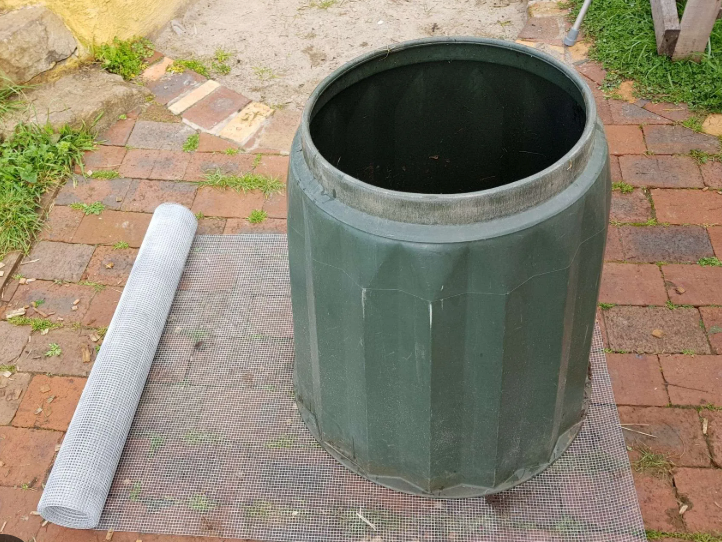
Compost bin costs vary widely based on material, size, and design.
- Basic plastic bins: $30–80
- Compost tumblers: $150–400
- DIY wire mesh: $15–50 in materials
- DIY pallet bin: $0–50 depending on hardware
- Timber bins (commercial): $150–300
- Stainless steel: $300+
Prices fluctuate by retailer and season. Sales and council compost bin subsidies can reduce costs significantly—check with your local council.
Common Mistakes When Choosing Compost Bin Materials
- Choosing a bin without adequate ventilation. Solid plastic bins with no vents create anaerobic conditions. Look for vents or buy a tumbler.
- Using unknown treated timber. If you don’t know what a pallet or scrap board was treated with, don’t use it for food-growing compost.
- Ignoring UV resistance. Cheap plastic cracks within a few Australian summers. Check for UV stabilisation.
- Forgetting drainage. A bin that fills with water becomes a smelly swamp. Ensure drainage holes or ground contact.
- Using contaminated recycled containers. Old drums or bins that held chemicals can leach residues into compost.
- Selecting a bin that’s too small. A bin that fills in a week never heats up properly. Aim for at least 200 litres.
- Confusing heat retention with good composting. A hot bin isn’t necessarily a healthy bin. Excess heat kills microbes; balance is key.
- Ignoring pest access. Gaps, weak lids, and soft mesh invite rodents. If you compost food scraps, pest resistance matters.
- Placing a metal bin in full sun. Metal conducts heat; in Australian summers, this can overheat the compost.
- Not planning for access. A bin you can’t easily turn or harvest from becomes a chore. Design for accessibility.
Frequently Asked Questions
What is the best material for a compost bin?
For most Australian gardeners, UV-stabilised plastic or untreated hardwood offer the best balance of durability, airflow, moisture control, and cost. Plastic suits small gardens and pest-prone areas; timber suits food gardens and DIY builders. There’s no universal best, match the material to your climate and priorities.
Is plastic safe for compost bins?
Food-grade or UV-stabilised plastic is generally considered safe. Ongoing research into microplastic release means the science isn’t fully settled, but plastic bins are widely used without documented harm. If you’re concerned, timber or mesh are alternatives.
Is wood or plastic better for composting?
Wood breathes better and is more sustainable; plastic retains moisture and resists pests better. Wood suits food gardens and large plots; plastic suits small gardens and renters.
Can I use treated timber for a compost bin?
Modern copper-based treatments are lower-risk than older CCA formulations, but uncertainty remains about chemical migration into compost. For food-growing, untreated hardwood is safer. For ornamental gardens, treated timber is generally acceptable.
Are metal compost bins good?
Metal bins are durable and pest-proof, but they corrode in coastal areas and overheat in full sun. Galvanised steel may release trace metals; stainless steel is expensive but long-lasting.
Does a compost bin need air holes?
Yes. Without airflow, compost goes anaerobic, smells, and breaks down slowly. Air holes, vents, or a tumbler design are essential.
Does plastic make compost too hot?
Plastic retains heat, which can accelerate composting in cool conditions but may overheat in Australian summers. Position plastic bins in partial shade.
What is the best material for a DIY compost bin?
Untreated timber or wire mesh. Both are cheap, easy to work with, and provide good airflow. Pallets are an excellent source of free timber if untreated.
Are galvanised compost bins safe?
Galvanised steel can release trace metals in acidic conditions, but the quantities are generally considered negligible. If you’re cautious about heavy metals, choose stainless steel or plastic instead.
Can I use pallets to make a compost bin?
Yes, if the pallets are untreated or heat-treated (stamped “HT”). Avoid pallets stamped “MB” (methyl bromide). Pallets make excellent bins with good airflow.
What material lasts longest for a compost bin?
Stainless steel lasts longest, followed by high-quality UV-stabilised plastic and untreated hardwood. Galvanised steel and softwood have shorter lifespans.
What should I avoid putting in a DIY compost bin?
Avoid meat, dairy, oily foods, diseased plants, and weeds with mature seeds. Also avoid any bin materials that held chemicals, lead paint, or unknown treatments.
Sources and Further Reading
- Queensland Government — Waste strategy and organic waste targets. Queensland’s latest waste strategy sets a 65% reduction target for residual waste by 2035 .
- ABC News (Australia) — Home composting championed as fix to growing burden of organic waste in landfill. Discusses household composting and government targets .
- ABC Listen (Perth) — Dr Greg Moore, University of Melbourne, on compost maintenance. Covers oxygen, moisture, and decomposition times .
- Gardening Hub Australia — Compost setup guides for Australian backyards. Covers bin types, costs, and Australian climate considerations .
- Compost WA Position Statement — Australian government submission on recycled organics and compost quality standards .
- Homes and Gardens — Expert advice on compost bin materials, including plastic durability and microplastic concerns .
- Almanac — DIY compost bin plans with timber specifications and construction guidance .
- K-State Research and Extension — Inexpensive DIY compost bin options including wire mesh and pallet designs .
- StopWaste.org — Compost bin materials and DIY plans .