Call a pile of rotting vegetable scraps “black gold” and most people will look at you sideways. But spend a few years trying to grow vegetables in tired, pale, water-repellent soil, and the nickname starts making perfect sense.
Compost earns that title because it does something no bag of fertiliser can do on its own. It rebuilds the actual body of your soil. It holds water, feeds the life underground, and turns dusty dirt into something dark, crumbly and alive. For Australian gardeners dealing with heat, dry spells and often nutrient-poor ground, that’s not just an upgrade. It’s the foundation.
Why Is Compost Called Black Gold?
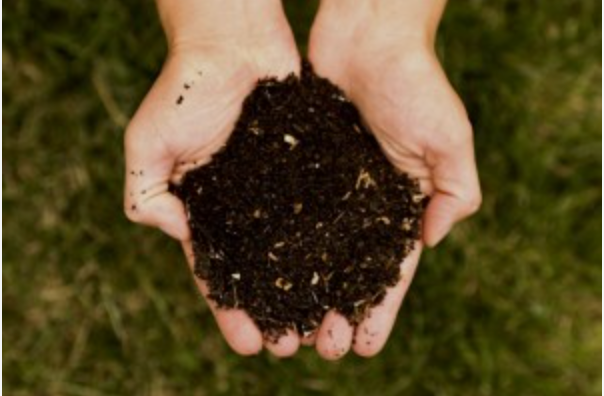
The “black” part is literal. Finished compost is dark, almost like rich chocolate soil. The “gold” part is about value.
Good compost is packed with decomposed organic matter, the material that gives soil its structure, its ability to hold moisture and its capacity to support billions of microscopic organisms. In a country where many soils are naturally low in organic matter, and where summer heat can bake the life out of bare ground, that organic matter is genuinely precious.
There’s also a practical, economic angle. Compost is one of the few soil improvements you can make largely for free. Kitchen scraps, lawn clippings, fallen leaves, cardboard, prunings, coffee grounds, eggshells. Most of it would otherwise go in the bin. Instead it becomes the single most useful thing you can add to a garden bed.
And unlike a quick hit of soluble fertiliser, compost keeps working. It feeds soil life, which in turn feeds your plants. That slow, self-renewing cycle is what separates black gold from anything you can buy in a plastic bottle.
So why is compost called black gold? Because it’s dark, it’s valuable, and once you’ve gardened with it, going back to bare, lifeless soil feels like throwing money away.
What Makes Good Compost?
Not everything that comes out of a compost bin deserves the name. Unfinished compost is still recognisable as its original ingredients. You can see banana peels, eggshells, grass clippings, maybe a few avocado pits. It might smell sour, ammonia-like or just faintly unpleasant.
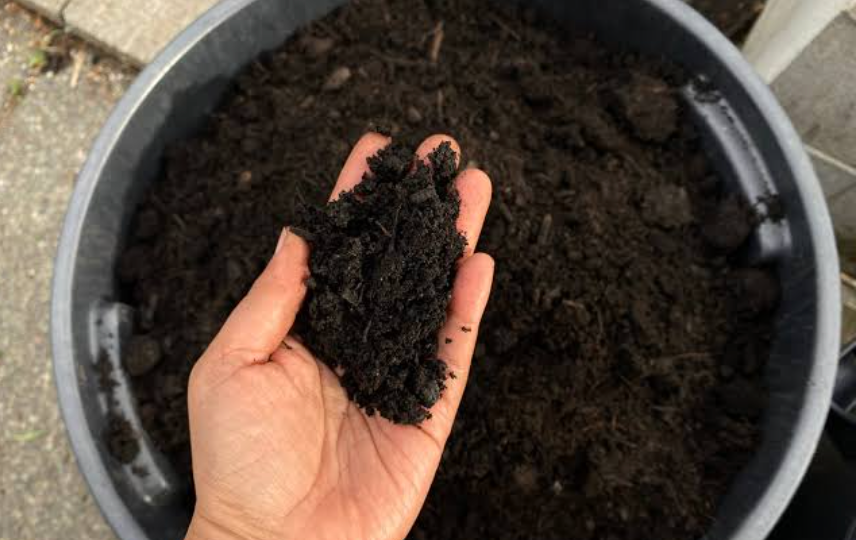
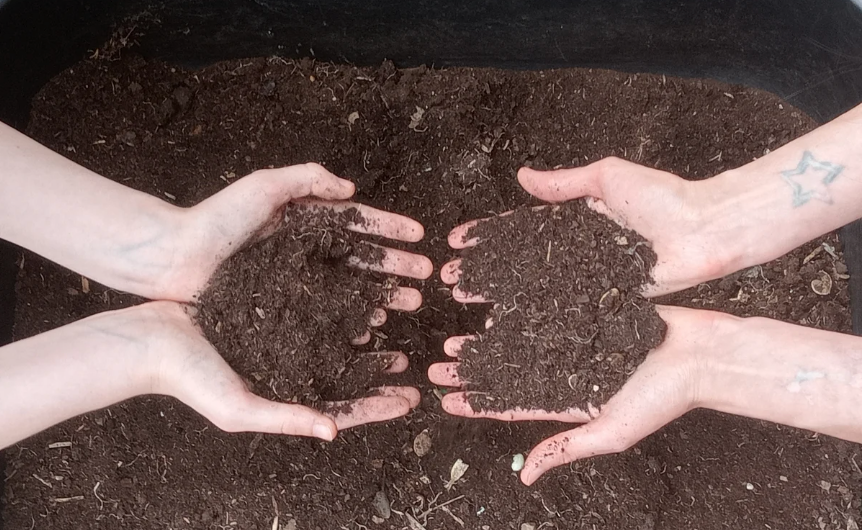
Finished compost is different. It looks like dark, crumbly soil. You shouldn’t be able to identify what went into it. It feels slightly moist but not wet, and it breaks apart easily in your hand. Most importantly, it smells earthy and sweet, like a forest floor after rain. If it smells bad, it isn’t finished.
There’s a useful test. Grab a handful and squeeze it. It should hold together loosely, then crumble when you poke it. If it drips water, it’s too wet. If it’s bone dry and dusty, it’s either too dry or too old. And if it’s still warm in the middle, the decomposition process is still active, which means it’s not ready yet.
Compost that’s ready is also generally dark enough that you can’t tell what it was. If you can still see the shape of last week’s lettuce, give it more time.
What Does Compost Actually Do for Your Soil?
The benefits of compost go well beyond “it feeds plants.” That’s part of it, but it undersells what’s happening.
First, structure. In heavy clay soils, compost helps bind particles into crumbs, which improves drainage and lets roots push through more easily. In sandy soils, the opposite happens. Compost helps the sand hold onto water and nutrients instead of letting everything drain straight through. This is one reason compost is useful in almost any Australian backyard, from the sandy coastal soils to the heavy clays inland.
Second, moisture retention. Organic matter acts like a sponge. It soaks up water when it’s available and releases it slowly as things dry out. In a hot Australian summer, that can be the difference between a bed that survives a heatwave and one that collapses the moment you miss a watering.
Third, biological activity. Compost is alive with bacteria, fungi, protozoa and other microorganisms. These organisms break down organic matter, release nutrients in forms plants can use, and help suppress some soil-borne problems. Healthy garden soil isn’t just a physical medium. It’s an ecosystem.
Fourth, nutrient availability. Compost contains nitrogen, phosphorus, potassium and a range of trace elements, but usually in relatively low concentrations compared with bagged fertiliser. That’s not a flaw. It means compost feeds plants gently rather than in a rush, and it’s very difficult to burn plants with compost the way you can with concentrated fertiliser.
What compost isn’t is a complete replacement for every soil amendment. If your soil is severely acidic or alkaline, compost won’t fix that on its own. If a specific nutrient is badly deficient, you may still need a targeted fertiliser. Compost improves the growing environment broadly. It doesn’t override every underlying problem.
How to Make Your Own Compost
Making compost at home is not complicated. It’s mostly about getting the balance right and then leaving it alone enough to do its job.
The basic recipe is greens and browns.
Greens are the wet, nitrogen-rich materials. Kitchen scraps, grass clippings, coffee grounds, fresh plant trimmings, manure from herbivores. Browns are the dry, carbon-rich materials. Fallen leaves, cardboard, shredded paper, straw, dried prunings, sawdust in small amounts.
A rough rule of thumb is to aim for more browns than greens by volume. If your compost smells sour or slimy, you’ve probably got too many greens. If it’s dry and nothing seems to be breaking down, you need more greens or more moisture.
Moisture matters too. The pile should feel like a wrung-out sponge. Not dripping, not bone dry. In Australian summers, compost can dry out surprisingly fast, especially in black plastic bins sitting in full sun. In cooler, wetter months, the opposite problem shows up and the pile turns soggy.
Air is the other key ingredient. Compost needs oxygen to break down efficiently. Turning the pile every week or two speeds things up and prevents the anaerobic conditions that cause bad smells. If you’re using a tumbler, give it a spin every few days. If you’re using a open heap, fork it over when you remember.
What not to add: meat, dairy, oily food, pet droppings from carnivores, diseased plants, weeds with seeds or runners, and anything sprayed with persistent herbicides. These can attract pests, create smells, or introduce problems you’ll spend years trying to get rid of.
Common mistakes include adding too much food waste without enough browns, letting the pile stay too wet, forgetting to turn it, and adding materials that are too large to break down quickly. Chopping things up helps more than most beginners expect.
In warm Australian climates, compost can break down surprisingly quickly. A well-managed pile might be ready in six to eight weeks during summer. In cooler weather, expect it to take several months.
How to Use Compost in the Garden
Finished compost is versatile, but how you use it depends on what you’re trying to achieve.
For vegetable beds, spread a layer over the surface and fork it lightly into the top few centimetres. You don’t need to dig it deep. Compost works best near the surface where roots and soil life are most active. For new beds, mix a generous amount through the top 15 to 20 centimetres.
For existing garden beds, a top dressing of compost each season is one of the best things you can do. It feeds the soil gradually, improves structure over time, and acts as a light mulch. Worms and other soil life will pull it down naturally.
For pots and containers, use compost as part of a mix rather than on its own. Straight compost can be too rich and can compact in pots. A blend of compost, coarse sand or perlite, and a quality potting mix works well for most plants.
When planting new plants, mix compost into the backfill soil rather than planting directly into pure compost. This encourages roots to grow out into the surrounding soil instead of staying in a rich pocket.
For improving existing soil, apply compost as a mulch or top dressing and let the weather and soil life do the rest. This is slower than digging it in, but it’s gentler on soil structure and works well for no-dig gardens.
There’s no single correct application rate. A thin layer every season is better than a thick layer once. More isn’t always better, especially with compost that’s still slightly unfinished.
Compost vs Fertiliser: What’s the Difference?
This trips up a lot of new gardeners, and it’s worth being clear about.
Fertiliser is a concentrated source of specific nutrients. It’s designed to deliver a measurable amount of nitrogen, phosphorus, potassium or trace elements. It works fast, and it’s easy to overdo. Think of it as a vitamin supplement.
Compost is a soil conditioner that also happens to contain nutrients. Its main job is to improve the physical and biological properties of soil. It feeds the soil, which then feeds the plants. Think of it as a balanced meal.
You can absolutely use both. Compost improves the soil’s ability to hold and cycle nutrients, which makes any fertiliser you add more effective. But compost alone won’t always supply enough of a specific nutrient for hungry crops like tomatoes or corn. And fertiliser alone won’t fix poor soil structure or low organic matter.
The two aren’t competitors. They do different jobs.
Common Compost Mistakes
Most compost problems come down to a handful of recurring issues.
Too much food waste is the classic beginner mistake. It creates a wet, smelly, anaerobic pile. Balance it with browns.
Compost staying too wet is common in cooler months or in bins with poor drainage. Add browns, turn it, and consider covering it to keep rain out.
Compost drying out is the opposite problem and very common in Australian summers. Water it, add greens, and keep it out of full sun if you can.
Poor aeration is often the reason a pile stalls. If nothing seems to be happening, turn it. Oxygen is fuel for the microbes doing the work.
Using unfinished compost is another common error. It can rob nitrogen from the soil as it continues to break down, and it can harm young plants. If it still looks like its ingredients, it’s not ready.
Adding inappropriate materials, like meat, dairy, pet waste or weed seeds, creates problems that are much harder to fix than they are to avoid.
Is Compost Really Worth It?
It’s easy to see why compost gets called black gold once you’ve worked with it. It’s not just a catchy nickname. It’s a recognition that good compost does something fundamental that no single product can replicate.
It builds soil. It holds water. It feeds life. It turns waste into something valuable. And in Australian conditions, where heat, drought and poor soils are common challenges, those qualities matter more than ever.
That said, compost isn’t magic. It won’t fix every soil problem, it takes time to make, and it won’t replace a balanced approach to feeding plants. But as a foundation for healthy garden soil, it’s hard to beat.
Start a pile. Keep it simple. Learn what finished compost actually looks and smells like. Use it generously but sensibly. The nickname will make sense soon enough.
5. FAQ Section
How long does it take to make compost?
In warm weather, a well-managed pile can be ready in six to eight weeks. In cooler months, it can take three to six months or longer. The speed depends on moisture, aeration, material size and how often you turn it.
Can I put citrus and onion in compost?
Yes, in moderation. They break down fine in a healthy pile. The old warning about citrus and onions killing compost worms is mostly about worm farms, not traditional compost heaps.
What does finished compost look like?
It looks like dark, crumbly soil. You shouldn’t be able to recognise the original ingredients. It smells earthy and sweet, not sour or ammonia-like.
Can I use compost as mulch?
Yes. A layer of finished compost on the surface works as a light mulch and a slow-release soil improver. It’s not as long-lasting as bark or straw mulch, but it feeds the soil as it breaks down.
Is compost better than fertiliser?
They do different things. Compost improves soil structure, moisture retention and soil life. Fertiliser delivers concentrated nutrients. Most gardens benefit from both.
Can I compost in a small backyard or apartment?
Yes. A tumbler, a worm farm or a small enclosed bin can work in tight spaces. The main thing is managing moisture and aeration.
Why is my compost smelly?
Usually too much moisture, too many greens, or not enough air. Add browns, turn the pile, and check drainage.
1 thought on “Compost: Why Gardeners Call It “Black Gold””