Table of Contents
Let’s be honest. Sometimes, gardening in Australia feels like a battle. You battle the heat. You battle the dry spells. You watch the water bill climb. And sometimes, it feels like you’re just pouring resources into keeping something alive, rather than helping it thrive.
What if I told you it doesn’t have to be that way?
Imagine your backyard differently. Picture it buzzing with native bees. See a colourful parrot stopping by for a drink. Smell the scent of herbs you’ve just picked for dinner. This isn’t a fantasy. It’s what happens when you shift your thinking. You can create a beautiful, resilient, and truly eco friendly backyard Australia style.
An eco friendly backyard isn’t a style of garden. It’s a way of thinking. It’s about working with nature, not against it. It saves you water, time, and money in the long run. More importantly, it gives back. It becomes a small but vital sanctuary for our local wildlife. It becomes your own personal slice of peace.
The best part? You don’t need to do everything at once. Start small. Follow these eight clear, practical steps. Bit by bit, you’ll watch your ordinary patch transform into an extraordinary, living ecosystem. Let’s get started.
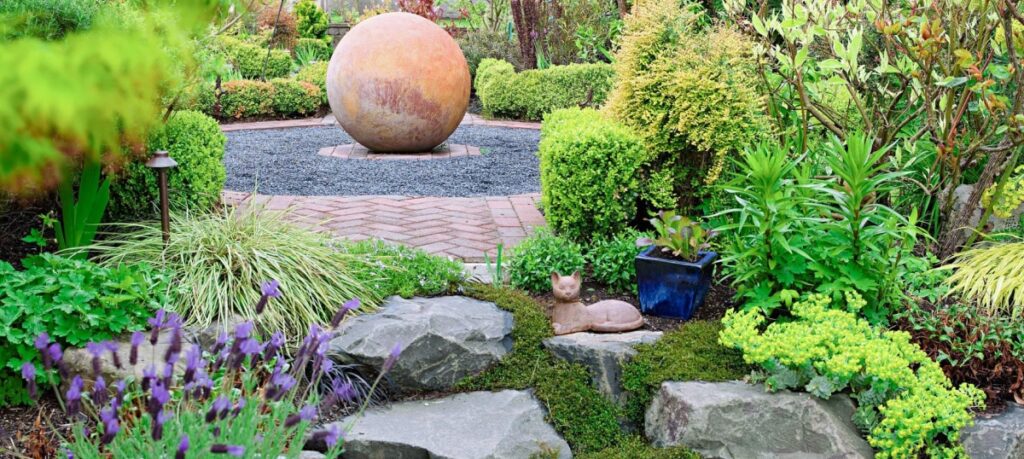
1. Rethink Your Lawn: The Grass Isn’t Always Greener
Let’s start with the big one. For many of us, the lawn is the default. It’s what we know. But that big, thirsty green carpet is often the least eco friendly part of the whole yard.
I’m not saying you have to rip it all out tomorrow. The key is to be honest about what you really need. Do the kids actually play on all of it? Do you use that far corner? Often, we water and mow areas we never step on.
Here’s the eco friendly backyard Australia approach:
- Right-size it: Shrink your lawn. Turn a sunny, unused corner into a native garden bed or a veggie patch. Replace a narrow side strip with mulch and hardy shrubs.
- Mow smarter: Let your grass grow a little longer. Those extra centimetres shade the soil, reducing water evaporation. It encourages deeper roots, which makes your lawn tougher.
- Accept the gold: In summer, it’s okay for your lawn to go golden. It’s dormant, conserving energy, not dead. It will green up again with the autumn rains.
- Choose wisely: If you’re planting new lawn, look at water-smart varieties like Sir Walter Buffalo or Zoysia. They’re much more drought-tolerant.
Replacing even a quarter of your lawn is a huge win for water savings and biodiversity. It’s the first, bold step towards an eco friendly backyard.
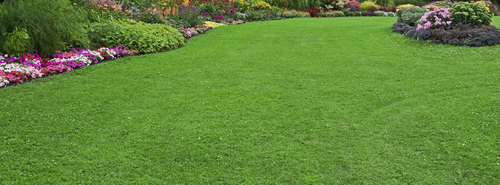
2. Plant the Ultimate Aussie Dream Team (Right Plant, Right Place)
This is the heart and soul of your project. Choosing the right plants makes everything else easier. The golden rule for an eco friendly backyard Australia is Right Plant, Right Place.
And the champions of this rule are, without a doubt, Australian native plants.
Why are natives the heroes? Simple. They’ve spent thousands, even millions, of years adapting to exactly our conditions—our poor soils, our scorching sun, our boom-and-bust rain cycles. This means they’ve evolved to need far less from us. Less water. No fancy fertilisers. And they’ve built relationships with our wildlife.
How to start your dream team:
- Go hyper-local: Ask your nursery for “locally indigenous” plants. These aren’t just Australian natives; they’re natives from your specific region. They are the ultimate performers for your soil and climate.
- Create a habitat buffet: Don’t plant in ones and twos. Plant in layers. A tall tree or shrub (like a Lilly Pilly), a middle layer of flowering shrubs (like Grevilleas or Callistemons), and a ground layer of grasses or creepers. This creates shelter and different food sources for all kinds of creatures.
- Plant for your new neighbours: Choose plants that specifically feed and shelter wildlife. Kangaroo Paw is a hummingbird feeder for honeyeaters. Lomandra grasses are host plants for butterflies. A guide like the one from Gardening with Angus is fantastic for finding the perfect plants.
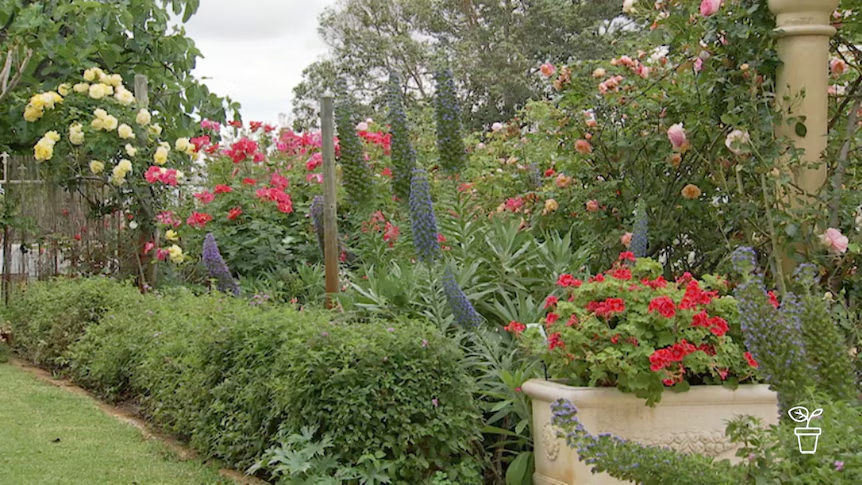
3. Become a Water-Wise Wizard (Every Drop Counts)
Water is our most precious resource. An eco friendly backyard Australia is a master of using it wisely. This isn’t about having less; it’s about wasting less.
Harvest the rain first: This is non-negotiable. If you do one thing, let it be this. Install a rainwater tank. Any size. Connect it to a downpipe. Use that water on your garden. The taste of tank water? Plants go mad for it. It’s softer and chemical-free. Even a single 200-litre drum makes a statement and saves litres from the mains.
Mulch like your garden’s life depends on it (it does): After planting, always apply a thick, generous layer of mulch. 7-10cm is ideal. Use woodchip, sugarcane, or pea straw. This layer is like a blanket for your soil. It stops up to 70% of water evaporation, keeps roots cool, and smothers weeds. As it breaks down, it feeds the soil. It’s the easiest win in gardening.
Water with your brain, not just the hose:
- Deep and Infrequent: Give your garden a long, slow drink. Then, let the soil dry out a bit. This forces roots to grow deep, seeking moisture, which makes plants incredibly resilient.
- Timing is everything: Always water in the early morning. It’s cool, still, and gives plants time to drink up before the sun gets fierce. Watering at night can leave foliage damp and encourage fungus.
- Target the roots: Use a soaker hose or drip irrigation system under your mulch. It delivers water straight to the root zone with almost no evaporation or runoff. Sprinklers are for playing in, not for an eco friendly backyard.
To get more information about water-wise gardening, you can read our Smart Water Wise Gardening Australia Tips for a Thriving Backyard article.
4. Build Your Own “Black Gold” Factory (Compost & Worm Farms)
Stop seeing kitchen scraps as waste. Start seeing them as garden fuel. This is the beautiful, closed-loop magic of an eco friendly backyard.
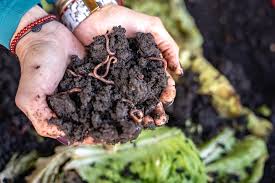
Composting is nature’s recycling system. You feed it your veggie peels, coffee grounds, and lawn clippings. In return, it gives you rich, dark, crumbly compost—”black gold” that supercharges your soil.
Starting a compost bin is simple:
- Get a bin (or build a bay from old pallets).
- Add a mix of “Greens” (nitrogen-rich stuff like food scraps, fresh grass) and “Browns” (carbon-rich stuff like dry leaves, shredded cardboard).
- Keep it as moist as a wrung-out sponge.
- Give it a turn with a fork every few weeks to add air.
No space? Get a worm farm! They are perfect for courtyards, balconies, and small yards. Worms are quiet, efficient, and produce two amazing products: worm castings (a superb soil conditioner) and worm tea (a powerful liquid fertiliser). A splash of worm tea in your watering can is like an energy drink for your plants. It’s a core practice for any eco friendly backyard Australia.
5. Welcome the Wildlife Welcoming Committee
An eco friendly backyard should be alive with more than just plants. You want the flutter, the buzz, the gentle rustle. These creatures aren’t just visitors; they’re active partners in your garden’s health.
- Put out the welcome drink: A simple birdbath or a shallow dish with a few stones in it (for insects and bees to land on) is a vital water source, especially in summer. Keep it clean and topped up.
- Build some real estate: Leave a small, untidy pile of rocks or logs in a sunny spot. This is a five-star hotel for skinks and lizards, who will repay you by eating snails and insects. A bundle of hollow sticks or a specifically designed bee hotel gives solitary bees a place to nest.
- Put away the sprays: The moment you stop using broad-spectrum pesticides, you allow the good guys to move in. Ladybirds will devour aphids. Birds will pick off caterpillars. You become the conductor of a natural orchestra, not a chemical warrior. For persistent problems, use targeted, gentle solutions like spraying soapy water.
6. Grow Your Own Snack Attack (The Taste of Success)
What could be more satisfying or more truly eco friendly than eating something you grew yourself? You reduce food miles to mere footsteps. You eliminate plastic packaging. And the flavour? There’s no comparison.
You don’t need a farm. Start ridiculously small.
- Herbs in pots: A pot of basil, rosemary, and mint on a sunny windowsill or step is the easiest start. Snip as you cook.
- Salad on a stand: A deep planter box can grow cut-and-come-again lettuce, rocket, and spinach for months.
- The joy of tomatoes: One cherry tomato plant in a large pot will reward you with hundreds of sweet, sun-warmed treats.
The act of growing food connects you to your garden in a profound way. It’s the ultimate reward for your eco friendly efforts. For a simple start, check out our guide to [growing your first kitchen herbs].
7. Choose Materials With a Clean Conscience
Think about the “stuff” in your garden. The furniture. The edging. The decking. An eco friendly backyard Australia makes mindful choices here, too.
- Furniture that lasts: Seek out outdoor furniture made from recycled plastic timber. It lasts forever, never rots, and gives waste plastic a new life. If you prefer wood, look for the Forest Stewardship Council (FSC) logo, which ensures it comes from responsibly managed forests.
- Hardscaping with history: Use reclaimed bricks for a garden path. Source local stone for edging. Broken concrete (“urbanite”) makes fantastic, free stepping stones with character.
- Know your mulch: Ask your supplier where their mulch comes from. Choose products from sustainable forestry operations or green waste recycling, not from the clear-felling of native forests.
Choosing better might cost a little more upfront, but it lasts decades. It’s the opposite of a throwaway culture and adds soul to your space.
8. Let the Sun Power Your Nights (The Easy Win)
We have more sun than almost anywhere. So let’s use it! Solar power is the perfect, effortless fit for an eco friendly backyard.
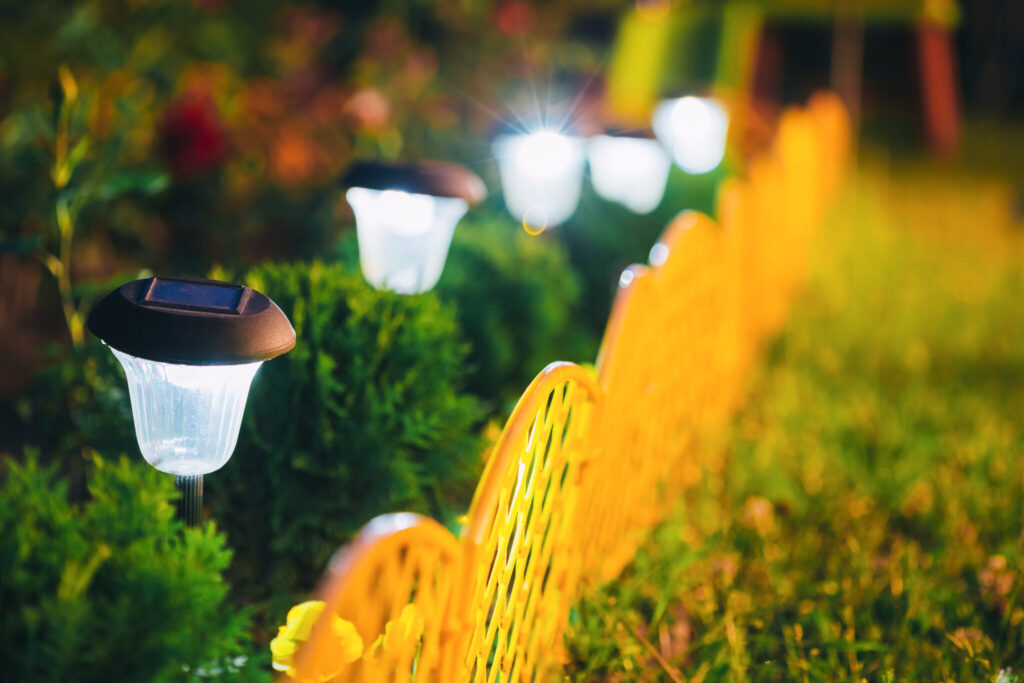
Solar-powered LED lights have become reliable, affordable, and beautiful. Line your pathway with them. Tuck a few into garden beds to highlight a feature tree. They soak up energy all day and cast a gentle, magical glow at night.
No wiring. No digging. No increase to your power bill. It’s a small, smart touch that makes your eco friendly backyard Australia feel thoughtful and self-sufficient after dark.
Your Eco Friendly Journey Starts With One Step
Look, building an eco friendly backyard Australia isn’t about achieving perfection overnight. It’s a journey. It’s about making one better choice, and then another.
Don’t look at this list and feel overwhelmed. Please. Just pick one thing. The thing that sounds most fun or doable to you right now.
Maybe it’s buying a native plant this weekend. Maybe it’s ordering a worm farm online. Maybe it’s just deciding to let the lawn go a bit longer between mows.
Start there. Do that one thing. Enjoy the small victory. Then, in a few weeks, come back and pick another step.
That’s how real change happens. Not with a grand, stressful overhaul, but with a series of small, smart, conscious decisions. Each one will make your backyard more resilient, more beautiful, and more full of life.
You’ll save resources. You’ll create a sanctuary for yourself and for wildlife. You’ll feel a quiet pride knowing your little patch of earth is doing some good.
That’s the true power of an eco friendly backyard. Now, grab your hat, pick your first step, and get started. Your oasis is waiting.