
Table of Contents
✅ Introduction
Gardening in Australia isn’t just about digging a hole and hoping for rain. From the sticky humidity of Darwin to the frosty mornings in Hobart and the dry red soil of Alice Springs, our continent throws unique challenges at even the greenest thumb. Whether you’re struggling with clay soil in Melbourne or trying to keep basil alive in a Brisbane summer, understanding the local environment is the secret to success.
This guide covers everything from picking the right plants for the season to beating water restrictions. We’ll walk you through gardening tips Australia locals trust, ensuring your patch thrives no matter where you live. By the end, you’ll know exactly what to plant this month and how to keep it alive.
🌱 2. Understand Australian Gardening Conditions
Before you buy a single seedling, you need to understand the ground beneath your feet and the sky above. Gardening tips Australia experts always start here: know your zone.
Climate Zones in Australia
Australia spans tropical, subtropical, desert, grassland, and temperate zones. This means the gardening tips Australia guides offer are not one-size-fits-all. What works in coastal Sydney might fry in Perth or rot in Cairns.
- Tropical (Darwin, Cairns): Wet and dry seasons. You grow things during the dry season (winter) to avoid fungal rot.
- Temperate (Sydney, Melbourne, Adelaide, Perth): Four distinct seasons. Frost can be an issue inland.
- Arid (Alice Springs, Outback): Extreme heat and low water. Shade and mulch are non-negotiable.
- Cool (Tasmania, Victorian Highlands): Short growing season. Hardy plants are best.
Soil Types
- Sandy Soil (Coastal areas, Perth): Water drains too fast. Nutrients wash away. Fix: Add compost and clay breaker.
- Clay Soil (Western Sydney, Inner Melbourne): Holds water like a dam but sets like concrete in summer. Fix: Add gypsum and organic matter.
Water Restrictions
Most Australian councils have permanent water conservation measures. This makes water-wise gardening tips Australia-wide essential. You cannot rely on a sprinkler running all day. We’ll cover how to beat this with irrigation and soil improvement below.
🌸 3. Seasonal Gardening Tips Australia (Main SEO Driver)
Timing is everything. Following a seasonal gardening Australia calendar prevents the heartbreak of planting tomatoes just as a frost hits. Here is your month-by-month blueprint.
Summer Gardening Tips Australia (Dec – Feb)
- Watering: Water deeply either very early morning or late evening. If you water at midday, 50% evaporates before it hits the roots.
- Mulch, Mulch, Mulch: A 5-7cm layer of pea straw or sugar cane mulch is the single best gardening tip for beginners Australia can hear. It stops soil from boiling.
- Shade Cloth: In extreme heat over 35°C, even full-sun plants like capsicums can get sunburn. Use 30% shade cloth.
- Plant Now: Sweet potatoes, snake beans, eggplant, and rosella (native bush food).
Autumn Gardening Tips Australia (Mar – May)
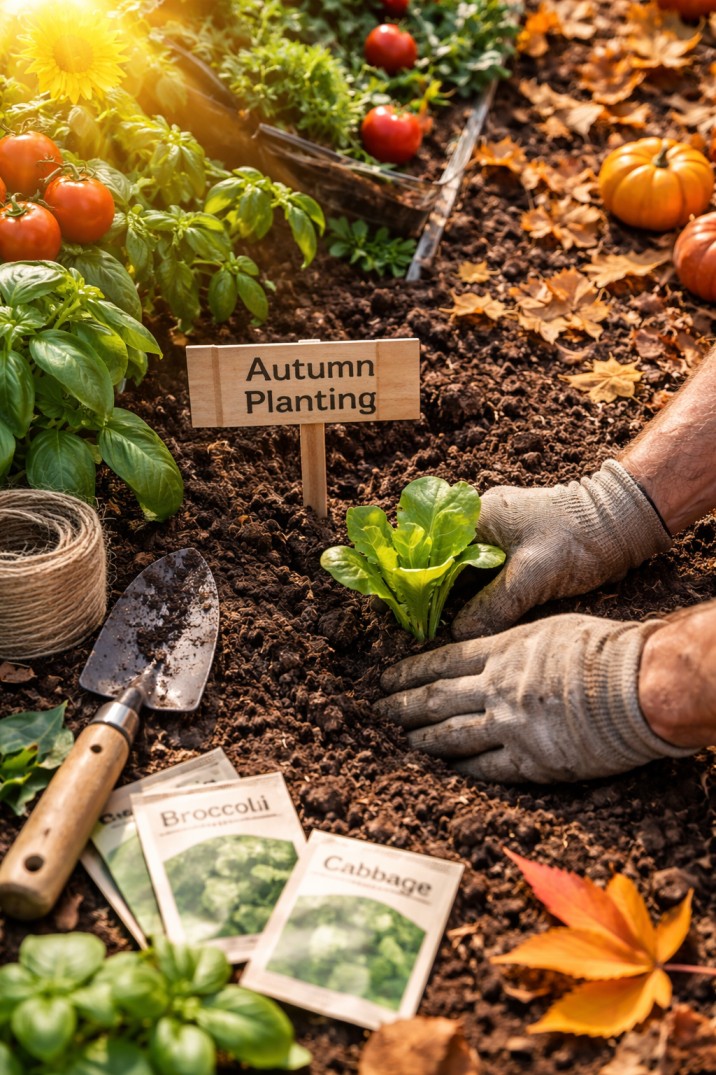
- The Second Spring: Autumn is arguably the best planting time in Australia. Soil is warm, air is cool.
- Action: Pull out spent summer crops (tomatoes, zucchini) and refresh the soil with compost.
- Plant Now: Broccoli, cauliflower, spinach, lettuce, peas, and coriander (finally, it won’t bolt to seed instantly!).
Winter Gardening Tips Australia (Jun – Aug)
- Frost Protection: If you live inland or in Victoria/NSW highlands, drape old sheets over citrus trees overnight. Remove them in the morning.
- Pruning: Winter is the time to prune deciduous fruit trees (apples, peaches, grapes) while they are dormant.
- Plant Now: Garlic (traditionally planted on the shortest day), broad beans, onions, radish, and Asian greens.
Spring Gardening Tips Australia (Sep – Nov)
- Watch the Frost Date: Don’t plant heat-lovers like basil and tomatoes outside until after Melbourne Cup Day (first week of Nov) in southern states, or you’ll lose them to a late frost.
- Weeding Frenzy: Weeds wake up before your plants do. Get on top of them now while the ground is soft.
- Plant Now: Tomatoes, zucchini, cucumbers, beans, strawberries, and all summer herbs.
🌿 4. Best Plants to Grow in Australia
Selecting the right species makes gardening tips for beginners Australia much easier. These are proven performers in our conditions.
Vegetables
- Year-Round Ease: Silverbeet (Swiss Chard) and Perpetual Spinach. These are bulletproof in most Aussie gardens.
- Warm Season: Cherry Tomatoes (hardier than big beefsteaks), Lebanese Cucumbers, Zucchini.
- Cool Season: Snow Peas, Kale, Carrots.
Herbs
- Mediterranean (Drought-proof): Rosemary, Thyme, Oregano, Sage. Plant these in pots near the kitchen and water them rarely.
- Tricky but worth it: Basil (needs warm feet, no water on leaves), Coriander (grow Autumn only in most regions).
Flowers
- Heat Tolerant: Marigolds (deter nematodes in soil), Petunias, Portulaca.
- Winter Colour: Pansies, Violas, Sweet Peas.
Native Plants
- Why Natives? They require zero fertiliser once established and thrive on neglect. Perfect for Australian gardening guide sustainability.
- Top Picks:
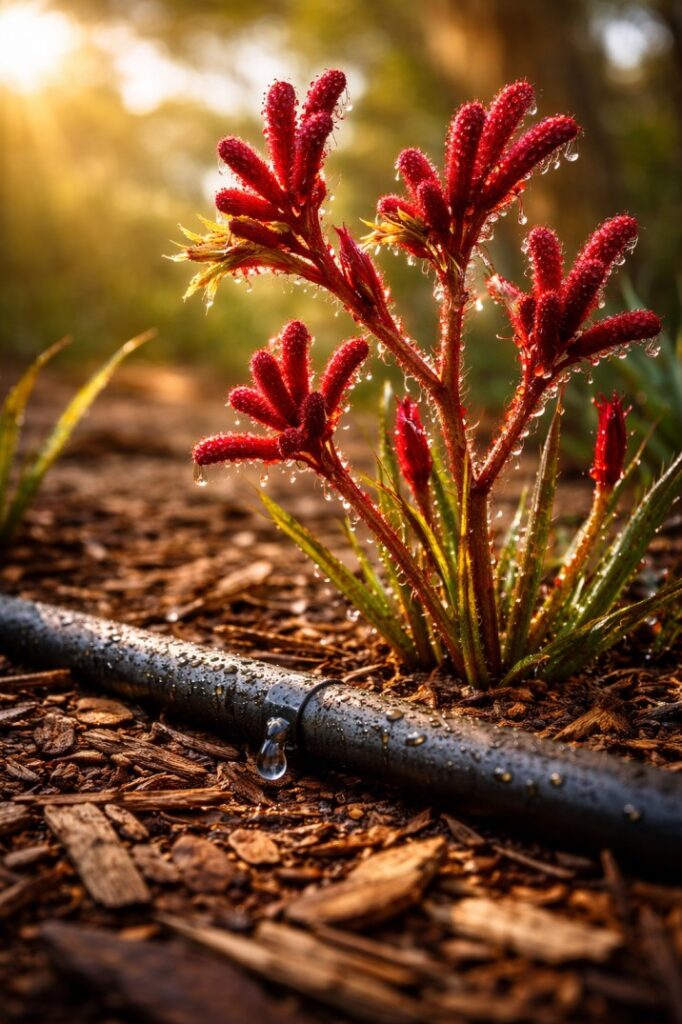
- Kangaroo Paw (Anigozanthos)
- Grevillea (Birds love them)
- Finger Lime (Bush tucker gem)
- Lilly Pilly (Fast-growing hedge/screen)
💧 5. Watering & Irrigation Tips
With water costs rising and climate uncertainty, smart irrigation is non-negotiable gardening tips Australia wide.
- Best Time to Water: Early Morning. This allows leaves to dry out before nightfall, preventing powdery mildew and fungal diseases.
- Drip Irrigation vs Hand Watering: Drip irrigation delivers water straight to the root zone, bypassing weeds. It is 90% efficient vs. 60% for sprinklers. This is a game-changer for gardening tips Australia because it helps you beat water restrictions.
- Saving Water in Australia:
- Install a rain gauge.
- Use Wetting Agents: Australian soils often become hydrophobic (they repel water). Use a liquid soil wetter from Bunnings twice a year.
- Ollas: Bury an unglazed terracotta pot in the ground filled with water. It seeps out slowly over days. Ancient tech, modern water-saving win.
🌱 6. Soil & Fertiliser Tips
Great gardens start with great soil. You cannot just stick a plant in hard-packed, hydrophobic dirt and expect magic.
Improving Poor Soil
- Clay Soil Fix: Add Gypsum (clay breaker) and then Compost. Do this every season. Never dig clay when it’s soaking wet.
- Sandy Soil Fix: Add Bentonite Clay and loads of aged manure. This helps the soil hold water.
Composting Basics
This is the number one gardening tip for beginners Australia to save money. Get a black compost bin.
- Greens (Nitrogen): Veggie scraps, coffee grounds, grass clippings.
- Browns (Carbon): Dried leaves, shredded newspaper, cardboard.
Organic vs Chemical Fertilisers
- Organic (Pellets, Liquid Seaweed): Feeds the soil microbes. Builds long-term soil health. Recommended for gardening tips Australia long-term success.
- Chemical (Blue Powders): Quick fix but can kill worms and turn soil salty over time. Use sparingly for potted annuals only.
🐛 7. Pest & Disease Control
Australia has some unique critters that love your veggies as much as you do.
Common Australian Pests
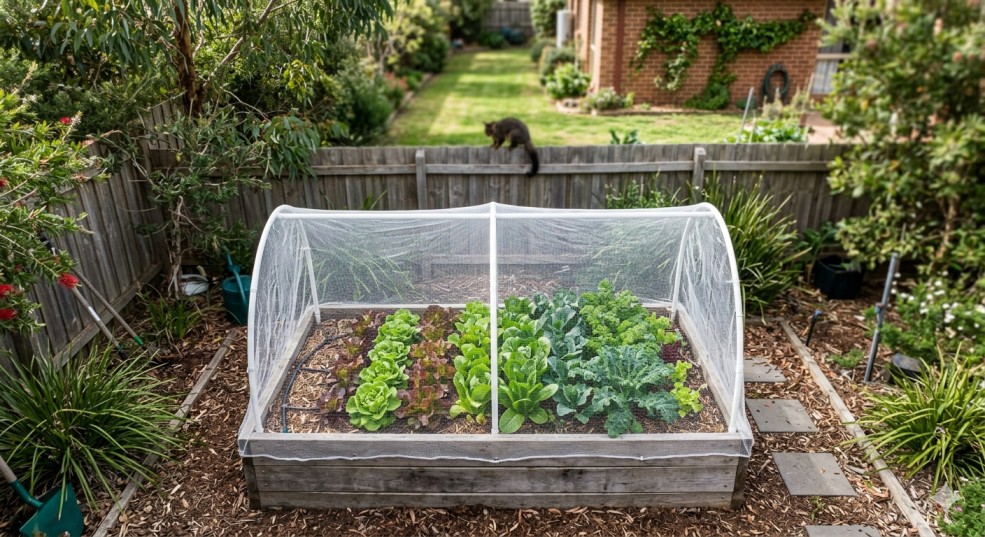
- Possums: The enemy of every urban gardener. Solution: Netting over frames (not draped directly on leaves, or they’ll eat through it). Spray plants with a chilli/garlic spray.
- Bronze Orange Bug: Stinky pest on citrus. Natural control: Knock them into a bucket of soapy water with gloves on. Do NOT squash them; the smell attracts more.
- Cabbage Moth (White Butterfly): Their green caterpillars decimate broccoli. Control: Cover crops with Vege Net (fine exclusion netting).
Natural Pest Control Methods
- Companion Planting: Plant Marigolds near tomatoes to deter root nematodes. Plant Nasturtiums as a “sacrificial plant” for aphids.
- Eco Oil / Neem Oil: Effective against aphids, scale, and mites without killing bees (spray late afternoon when bees are in bed).
🛠️ 8. Essential Gardening Tools
You don’t need a shed full of gadgets. Start with quality versions of these basics.
Beginner Tools List
- Digging Fork: Better than a spade for turning over Aussie clay without damaging worms.
- Hori Hori Knife (Japanese Soil Knife): Incredible for weeding, planting seedlings, and cutting roots. A multi-tool champion.
- A Good Pair of Secateurs: Felco or cheaper Cyclone brand. Keep them sharp.
- Gardening Gloves: Leather or thick synthetic for pulling out bindii and spiky weeds.
Budget-Friendly Options
- Seed Trays: Re-use old toilet rolls and egg cartons.
- Plant Labels: Cut up old plastic milk bottles into strips.
- Compost Bin: Look on Facebook Marketplace for free or cheap second-hand bins.
⚡ 9. Quick Gardening Tips
Here are the gardening tips Australia gardeners swear by, condensed for a quick win:
- Water early morning (before 10am).
- Use mulch (pea straw or sugar cane, 7cm thick).
- Rotate crops (don’t plant tomatoes in the same spot two years running).
- Choose native plants (they rarely die and feed local birds).
- Test soil with a finger: If it’s damp 2cm down, don’t water yet.
- Deadhead flowers to encourage more blooms.
- Use a soil wetter in summer.
- Check local council website for free mulch days.
📍 10. Region-Specific Tips
Tailoring gardening tips Australia to your postcode makes all the difference.
NSW Gardening Tips (Sydney & Coastal)
- Challenge: High humidity in Jan/Feb = Powdery Mildew and Black Spot on roses/cucurbits.
- Tip: Prune plants for airflow. Water soil, not leaves.
Victoria Gardening Tips (Melbourne)
- Challenge: “Four Seasons in One Day” and heavy clay soil.
- Tip: No-dig gardening beds work best here. Build UP on top of the clay using layers of lucerne and compost.
Queensland Gardening Tips (Brisbane & North)
- Challenge: Summer is too wet/hot for traditional veggies. Fruit Fly is a nightmare.
- Tip: Focus on Winter Harvest. Plant tomatoes in March/April for a June-August harvest. Bag fruit with exclusion bags.
SA / WA Gardening Tips (Adelaide & Perth)
- Challenge: Sandy, nutrient-poor soil and Water Repellency.
- Tip: Invest heavily in soil improver (compost and clay) and liquid seaweed for root strength.
❓ 11. FAQ Section
What grows best in Australia?
Silverbeet, sweet potato, rosemary, and most native plants like Grevillea and Kangaroo Paw are practically indestructible across most of the country.
When should I start gardening in Australia?
Right now. But the best planting season is Autumn (March-May) . The soil is warm and the weather is mild, giving plants time to establish before summer scorch or winter frost.
How often should I water plants?
Less often than you think, but deeper. For established shrubs, a deep soak once a week is better than a light sprinkle every day. For pots in summer, check daily. Always stick your finger in the soil first, this is a core gardening tip for beginners Australia wide.
How do I improve clay soil in Australia?
Apply Gypsum (clay breaker) according to the packet and then dig in aged compost. Never walk on wet clay garden beds.
What is the best mulch for Australian gardens?
Pea Straw (for veggie gardens) and Pine Bark (for natives and ornamentals). Avoid fresh wood chips on veggies as they steal nitrogen from the soil.
🧠 12. Conclusion
There you have it, a complete Australian gardening guide to take you from overwhelmed beginner to confident grower. Remember, you don’t need to do everything at once. Pick one bed, fix the soil, add some mulch, and plant something you love to eat.
Gardening tips Australia are all about working with the sun and soil, not against them. Start small, follow the seasons, and you’ll be harvesting armfuls of food before you know it.
What’s your biggest gardening challenge right now? Drop a comment below, I’d love to help! And if you found this guide useful, share it with a mate who’s just bought their first tomato plant.