
Starting vegetable gardening Australia beginners style is one of the most rewarding things you can do. There is a magic in picking a tomato that’s still warm from the sun, or snipping fresh herbs for your dinner. But if you’re new, it can also feel incredibly daunting. What should you plant? When do you plant it? Why does everything keep dying?
I promise you, it’s simpler than it seems. The secret isn’t a green thumb—it’s following a few key rules that work in our unique Australian climate. This guide is designed to cut through the noise and give you six clear, actionable steps. We’ll forget perfection and focus on getting you a real, edible harvest. Let’s turn that little patch of backyard or balcony into your personal produce section.
Table of Contents
Why Bother Growing Your Own? The Real Rewards
Before we get our hands dirty, let’s talk about why this is worth your time. It’s about more than just vegetables.
- Taste You Simply Cannot Buy: A supermarket tomato is bred for travel, not taste. A homegrown one bursts with flavour you didn’t know was possible. The same goes for crunchy beans, fragrant basil, and sweet strawberries.
- Save Real Money on Your Groceries: A packet of herb seeds costs about the same as one plastic packet of cut herbs. One cherry tomato plant can give you hundreds of fruits over a season. The savings, especially on organic produce, add up fast.
- Connect with the Seasons and Your Food: You’ll learn what grows when, appreciating the rhythm of nature. You’ll know exactly what went into growing your food—no chemicals, just care.
- The Pure Satisfaction: There is a deep, quiet pride that comes from eating something you grew from a tiny seed or seedling. It’s a feeling of accomplishment that’s good for the soul.
Step 1: Find Your Light and Start TINY
This is the most critical step. Get your location and scale wrong, and you’ll fight an uphill battle.
1. Become a Sun Detective: Most fruiting vegetables (tomatoes, capsicums, zucchini) need a minimum of 6 hours of direct, unfiltered sunlight per day. Leafy greens (lettuce, spinach) can manage with 4. Don’t guess.
* Your Task: Spend a weekend day observing your potential spot. Note where the sun hits from 10am to 4pm. That’s your prime real estate. No sun? Consider pots you can move, or stick to shade-tolerant herbs and greens.
2. Start Stupidly, Embarrassingly Small: Over-enthusiasm is the number one killer of beginner gardens. You do not need a farm.
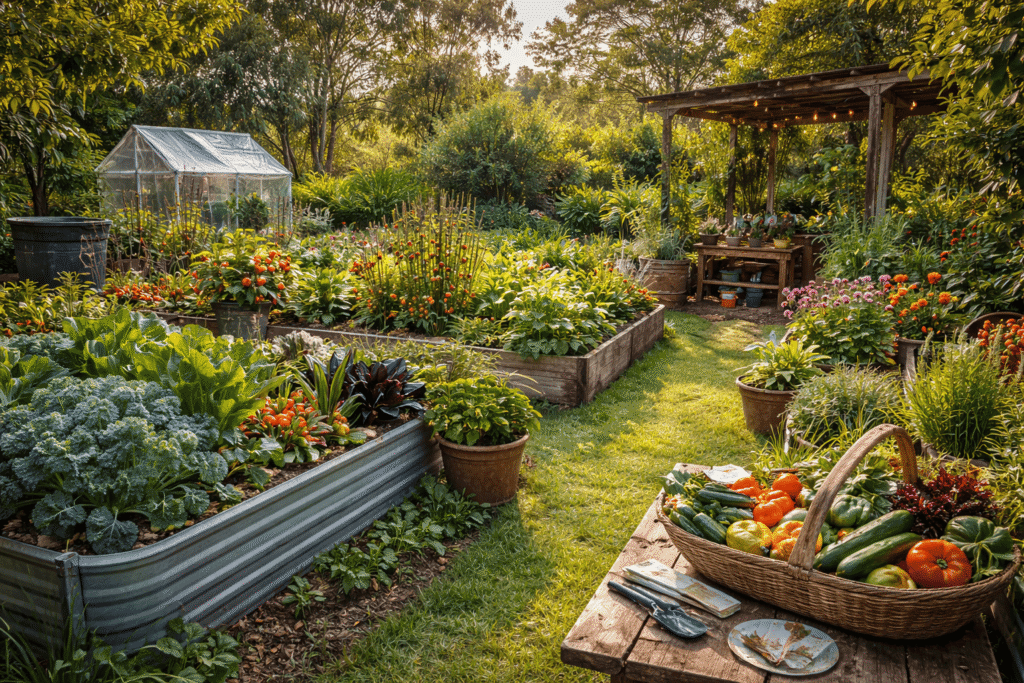
* Your Task: Commit to one raised garden bed (no bigger than 1m x 1.5m) or three to five large pots. A single, thriving small garden is a million times better than a large, weedy, overwhelming failure. You can always expand next season. For the perfect contained start, our guide on a DIY raised garden bed Australia project is ideal.
Step 2: Build the Perfect Home – Your Soil is Everything
Think of soil not as dirt, but as your plant’s pantry, water tank, and bedroom all in one. Healthy soil equals healthy plants. It’s that simple.
1. Never Use Plain Garden Soil: The dirt in your yard is likely heavy clay (which drowns roots) or sand (which drains too fast). It’s also low in nutrients. We can do better.
2. The “No-Fail” Beginner Soil Mix: For pots and raised beds, buy a quality bagged mix. Here’s a simple, foolproof recipe to fill your first bed or pots:
* Base: 60% Premium Vegetable/Potting Mix. This is your main ingredient. Don’t buy the cheapest bag.
* Food: 30% Compost or Well-Rotted Manure (cow, sheep, or chook). This feeds your plants. Making your own compost is easier than you think—our compost bin vs worm farm Australia guide breaks down the best way to start.
* Drainage: 10% Coarse Sand or Perlite. This ensures water flows through and roots don’t rot.
3. The Magic of Mulch: Once planted, cover the soil surface with a 5-7cm layer of straw, sugar cane mulch, or wood chips. This is non-negotiable. Mulch keeps the soil moist, cool, and stops weeds in their tracks.
Step 3: Choose Your “First Victory” Crops
Pick plants that are forgiving and productive. This builds your confidence fast. Here are the champions for vegetable gardening Australia beginners:
| Vegetable | Why It’s Great for Beginners | Key Tip |
|---|---|---|
| Cherry Tomatoes | Prolific, grow well in pots, taste amazing. | Give them a stake to climb. Water consistently to prevent splitting. |
| Lettuce & Salad Greens | Fast-growing, can pick leaves for weeks. | Plant a few seeds every 2 weeks for a continuous harvest. |
| Zucchini | One plant produces a huge amount. Very satisfying. | Seriously, just one plant is enough for a family. |
| Bush Beans | Easy from seed, don’t need staking, produce quickly. | Pick them when they are young and tender for best flavour. |
| Radishes | Ready to harvest in 4-6 weeks. Instant gratification! | Great for getting kids interested. |
| Herbs (Basil, Mint, Rosemary) | Expensive to buy, easy to grow, transform cooking. | Grow mint in a pot (it’s invasive). Pick basil regularly to keep it bushy. |
Nursery Seedlings vs. Seeds: For your very first time, buy punnets of seedlings (baby plants). It’s faster, easier, and skips the tricky germination stage. Look for short, stocky plants with bright green leaves—not tall, spindly ones.
Step 4: Plant with Purpose and Care
You have your plants and their perfect home. Now, let’s get them settled in.
- Read the Tag: The label that comes with your seedling has gold-standard info: spacing and sun needs. A tomato needs 50-60cm of space. Don’t cram them in.
- The Gentle Transplant: Water the seedling in its punnet. Gently squeeze the sides and tip it out, supporting the base of the stem with your fingers. Never yank it by the stem.
- Plant at the Right Depth: Dig a hole slightly bigger than the root ball. Place the plant in so the soil level matches where it was in the pot. For tomatoes, you can plant them deeper—they’ll grow roots along the buried stem.
- Water In: Give them a gentle, thorough drink right after planting to settle the soil around the roots and reduce transplant shock.
Step 5: The Art of Watering and Feeding
This is where most new gardeners slip up. Plants don’t need constant fussing; they need consistent, smart care.
The Watering Rule: Deeply and Less Often.
- Wrong: A light sprinkle every day. This encourages weak, shallow roots.
- Right: A long, slow soak every 2-3 days. Water until it runs out the bottom of the pot, or the top 10-15cm of soil in a bed is damp. This trains roots to grow deep, making plants drought-resilient.
- Best Time: Early morning. Watering in the evening can lead to fungal diseases. Watering in the midday sun wastes water to evaporation.
Feeding Your Plants (They Get Hungry Too):
Your initial soil mix has food for about 4-6 weeks. After that, you need to fertilise.
- Option 1: Liquid Food. A seaweed solution or fish emulsion every 2 weeks is like a vitamin shot. It’s gentle and effective.
- Option 2: Slow-Release Food. Pelletised chicken manure or a certified organic garden fertiliser scratched into the soil every 6-8 weeks feeds plants steadily.
Conserving this precious resource is key. For a full system on making every drop count, from the tank to the soil, explore our guide on how to save water in your backyard.
Step 6: Harvest, Learn, and Celebrate!
This is the payoff. Harvesting actually encourages more production.
- Harvest Often: Pick zucchini when they’re small. Snip outer lettuce leaves. The more you pick beans, the more the plant will flower and produce. Letting vegetables get over-large tells the plant to stop.
- Use Your Senses: A ripe tomato will come off the vine with a slight, gentle twist. Beans should snap crisply. Smell and taste your herbs.
- Keep a Garden Journal (It’s Simple): Just note what you planted, when, and what worked. Did the basil in the shadier spot bolt to seed? Did the cherry tomatoes in the ceramic pot dry out faster? This is how you become an expert in your own garden.
Your Australian Seasonal Planting Guide
Our climate varies wildly, but this is a general blueprint. The single best resource is the Gardenate website—put in your climate zone for a monthly planting list.
- Spring (Sep-Nov): MAIN PLANTING SEASON. The soil is warming. Plant tomatoes, capsicums, zucchini, cucumbers, corn, beans, basil. Plant lettuce and spinach early.
- Summer (Dec-Feb): Plant heat-lovers: more beans, zucchini, sweet corn. Focus on consistent watering and mulching. Shade cloth can help prevent greens from burning.
- Autumn (Mar-May): The perfect time for cool-season crops. Plant broccoli, cauliflower, cabbage, lettuce, spinach, peas, carrots, and beetroot. It’s a second chance if spring didn’t go to plan!
- Winter (Jun-Aug): In most areas, growth slows. It’s time for garlic, onions, broad beans, and winter greens like kale and silverbeet. Use this time to plan, repair beds, and let your compost cook.
Troubleshooting: Don’t Panic, Just Fix It
- Yellow Leaves: Usually a sign of overwatering. Let the soil dry out more between waterings.
- Holes in Leaves: Likely caterpillars or snails. Go out at night with a torch and pick them off. Snail traps with beer work. Encourage bird visitors.
- Flowers but No Fruit: Common with tomatoes and zucchini. Often due to lack of pollination. Gently shake flowering plants or use a small paintbrush to move pollen around. Also, avoid high-nitrogen fertilisers that promote leaves over fruit.
- Long, Leggy Plants: Not enough sun. Unfortunately, you can’t fix this for existing plants. Next time, choose a sunnier spot.
The Real Secret to Success
The goal of your first year is not a picture-perfect garden or total self-sufficiency. The goal is to learn and to enjoy. Grow three things you love to eat. Nail the basics of sun, soil, and water. Celebrate every single green bean and every tomato, no matter how small.
You will have setbacks. Every gardener loses plants. The difference between a beginner and a gardener is that a gardener learns from the loss and tries again.
So, take a deep breath. Follow these six steps. Get your hands in the soil. Before you know it, you’ll be sharing your glut of zucchini and planning what to grow next season. Welcome to the joyful, delicious world of growing your own food. You’ve got this.