Start a Vegetable Garden Australia: Your First Step to Homegrown Goodness
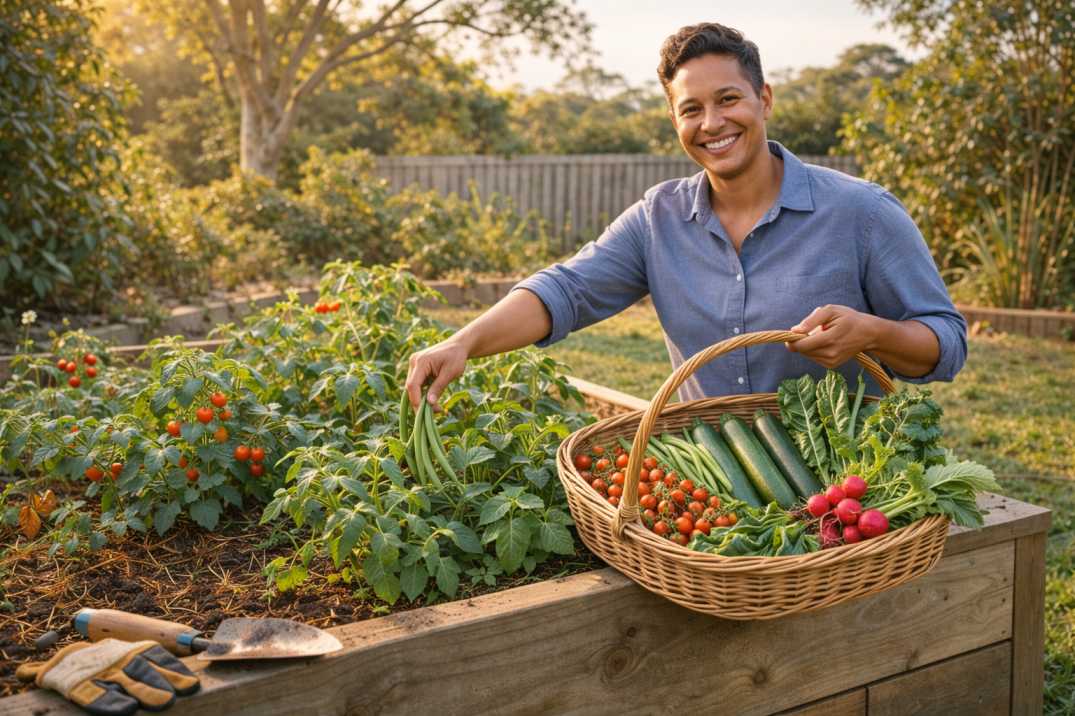
G’day! So, you’ve decided to start a vegetable garden Australia style. Brilliant decision. There’s nothing quite like the taste of a tomato still warm from the sun, or the crunch of a cucumber you’ve grown yourself. I remember my first attempt, a few sad pots of basil on a balcony. From there, it grew into a full-blown backyard passion. It’s easier than you think, especially when you start smart.
This guide is for you if you’re holding a packet of seeds and feeling a bit lost. We’ll walk through planning a veggie patch from scratch, choosing the easy grow veggies australia’s climate loves, and avoiding the classic mistakes. No jargon, just clear, friendly advice from one Aussie gardener to another. Let’s dig in.
Table of Contents
Why Your Veggie Patch Matters More Than Ever
Before we get our hands dirty, let’s talk about the “why.” The reasons to start a vegetable garden Australia have evolved. It’s still about the unbeatable flavour of a sun-warmed tomato, but now it’s also a powerful, personal response to bigger picture trends.
- Beat the Cost of Living: With the local value of vegetables sitting at $5.7 billion, growing your own is a savvy financial move. A $3 packet of seeds can yield kilos of produce.
- Eat Fresh & Know Your Food: You control what goes on your plants. No mystery sprays, just clean, nutritious food harvested at its peak.
- Build a Sustainable Haven: Modern gardening is about working with nature. Your patch can support bees, birds, and healthy soil, turning your yard into a biodiversity hotspot.
- Boost Your Wellbeing: The garden is now recognised as a vital wellness space. The act of tending plants is proven to reduce stress, and a wellness-focused garden designed with sensory plants and calm corners can be your personal retreat.
- Join a National Shift: You’re not alone. Trends show edible gardening is booming, with everything from balcony herbs to full productive landscapes becoming central to how we design our outdoor living areas.
Part 1: Laying the Groundwork – Planning for Success
Jumping straight in with a shovel often leads to frustration. Smart planning is what separates a thriving garden from a weedy disappointment. This phase is all about observation and design.
The Golden Rule: Sun, Sun, and More Sun
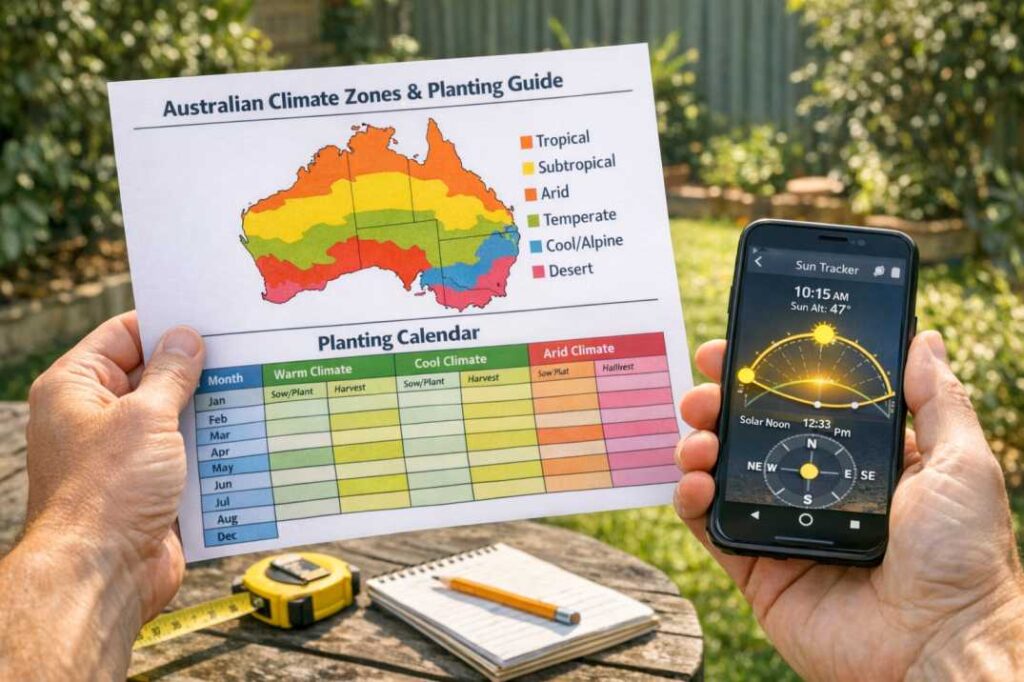
95% of common veggies need a minimum of 6 hours of direct sunlight. Watch your potential spot over a full day. Track the sun’s path. No amount of love will make tomatoes fruit in deep shade. If you’re tight on space, remember vertical gardening is a huge 2026 trend, use walls and trellises to get plants up into the light.
Know Your Aussie Climate Zone
Australia isn’t one gardening country; it’s many. What you can plant and when depends entirely on your local climate. Here’s a simplified guide based on the Australian hardiness system:
Pro Tip: Use the Bureau of Meteorology (BOM) website to understand your local microclimate better. A garden in a frost hollow will have different needs to one on a north-facing slope just a suburb away.
Choosing Your Garden Style: Ground, Raised, or Contained?
Your space, budget, and soil decide this.
- In-Ground Beds: Cheapest to start but you’re at the mercy of your native soil (often poor in new suburbs). Best if you have deep, well-draining soil already.
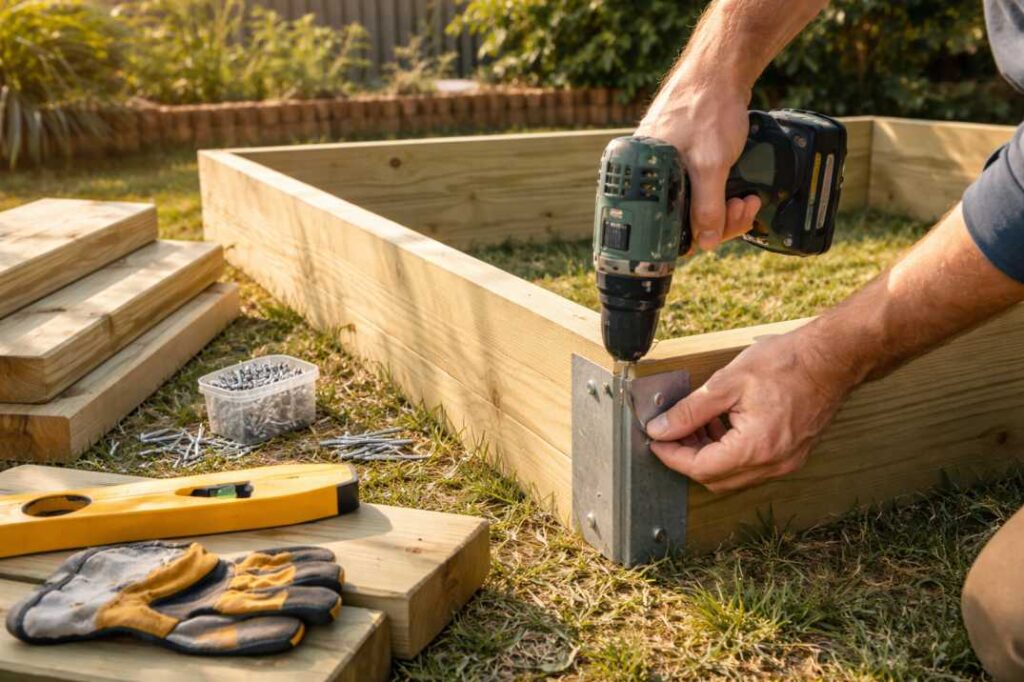
- Raised Garden Beds (The Champion’s Choice): You control 100% of the soil, better drainage, less bending, warmer soil, and looks tidy. Our DIY raised garden bed guide Australia has all the plans you need to build your own. For ultimate convenience, consider self-watering raised beds that drastically cut maintenance.
- Containers & Vertical Gardens: Perfect for courtyards, balconies, and renters. Use premium potting mix and remember pots dry out fast. Vertical gardening with wall planters or trellises is a perfect 2026 solution for small spaces.
The Non-Negotiables: Water Access and Soil
- Water: Your garden must be within hose reach. In 2026, smart irrigation is a game-changer. Controllers that adjust watering based on weather forecasts save water and time.
- Soil is Everything: Don’t skimp. For raised beds and pots, invest in a premium vegetable potting mix. For in-ground beds, you must improve your soil. Dig in loads of compost and well-rotted manure. Starting a diy compost bin australia is the single best long-term investment for your garden’s health.
Part 2: What to Grow – A Curated List for Aussie Beginners
Start with easy wins to build confidence. Here are foolproof champions, plus how to think like a pro.
The “Sure Thing” Starter Pack
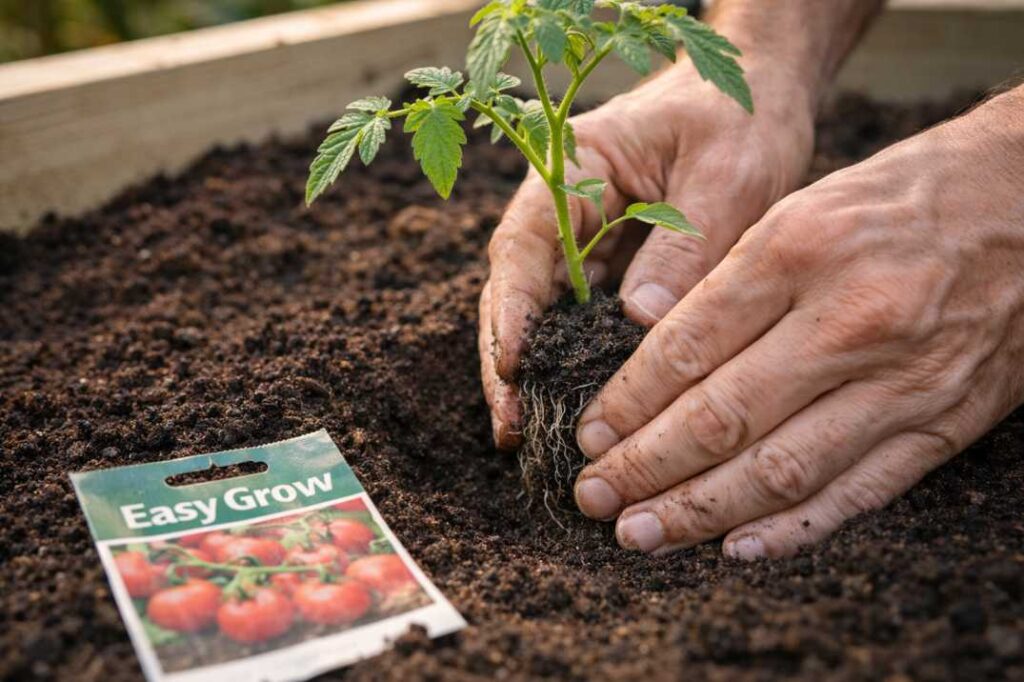
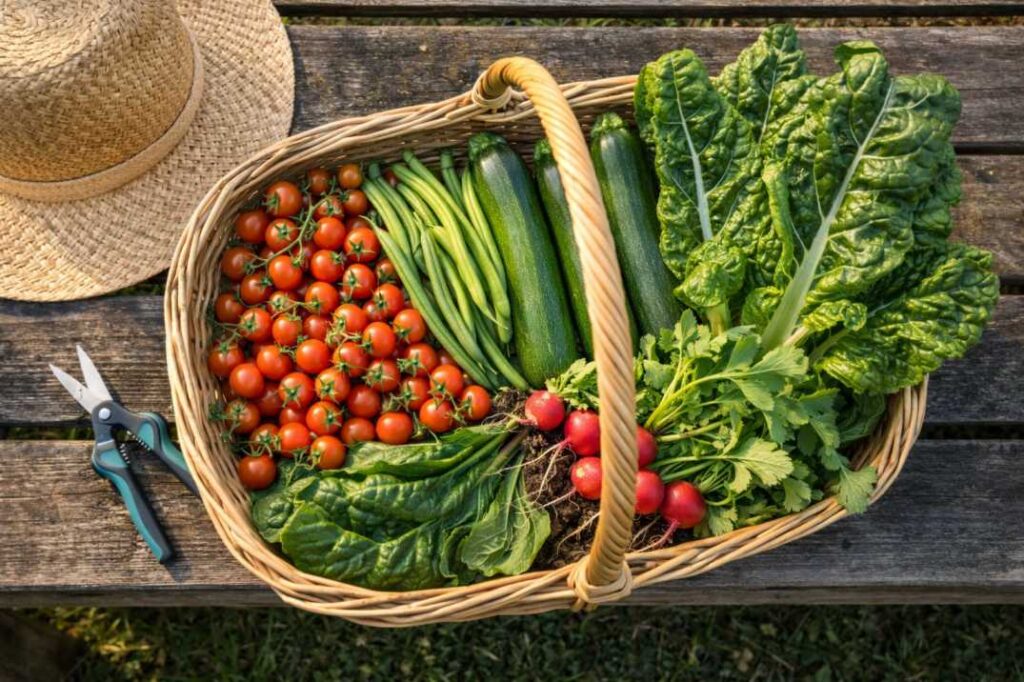
- Cherry Tomatoes: Prolific, sweet, and love heat. One plant in a big pot or sunny spot will reward you endlessly.
- Cut-and-Come-Again Lettuce/Salad Greens: Sow ‘Salad Bowl’ lettuce or rocket. Snip leaves with scissors; they regrow for multiple harvests.
- Zucchini: One plant is enough! Check it daily and harvest small for best flavour.
- Beans (Dwarf or Climbing): Fast, satisfying, and perfect with kids. Sow seeds in warm soil and watch them climb.
- Silverbeet/Swiss Chard: The indestructible workhorse. Handles sun, mild drought, and gives leaves for months.
- Herbs: Rosemary, thyme, mint (in a pot!), and basil. The easiest flavour upgrade for your kitchen.
Think Seasonally for Year-Round Harvests
- Warm Season (Plant Spring/Summer): Tomatoes, corn, cucumbers, basil, eggplant.
- Cool Season (Plant Autumn/Winter): Broccoli, cauliflower, kale, spinach, peas, carrots.
Go Native and Heirloom
For something unique, explore native Australian veggies like Warrigal Greens (a spinach substitute) or Finger Lime. Heirloom vegetables offer incredible flavour and history, try an heirloom ‘Brandywine’ tomato or ‘Purple Congo’ potato.
Part 3: The Modern Gardening Toolkit – Techniques for 2026
Gardening has gotten smarter. Integrate these approaches for better results with less work.
- Embrace Sustainable Gardening: Work with nature. Use companion planting (basil with tomatoes), attract beneficial insects with flowers, and avoid synthetic chemicals. This is core to creating a sustainable backyard.
- Adopt Water-Wise Xeriscaping Principles: Even veggie gardens can be water-smart. Use mulch (sugar cane or pea straw) to suppress weeds and hold moisture. Group plants with similar water needs. Drought-tolerant planting is a key trend for a reason.
- Try Succession Planting: As you harvest one crop (e.g., radishes), replant that spot with something new (e.g., beans). This keeps soil productive.
- Feed the Soil, Not Just the Plants: Healthy soil is alive. Regularly add compost. Consider vermicomposting, using a worm farm to turn kitchen scraps into liquid gold for your plants.
Part 4: Avoiding the Classic Pitfalls (Learn From Our Mistakes)
We’ve all been here. Learn from my stuff-ups.
- Starting Too Big: A giant, unmanageable patch becomes a weedy chore. One small, well-tended bed is better than four neglected ones.
- Planting at the Wrong Time: Check the calendar! Sowing summer veggies as winter hits is a recipe for disappointment.
- Overcrowding: Those tiny seedlings need space. If you don’t thin them, you’ll get a jungle of leaves and no fruit. Give them room to breathe.
- Ignoring Pests: Check your plants regularly. Pick off caterpillars, squash snails at dusk. Encourage natural predators. A small diy chicken coop backyard australia project can provide pest control later, but for now, just be observant.
- Forgetting to Harvest: Pick your beans and zucchinis while they’re young and tender. If you leave them, the plant thinks it’s done its job and stops producing.
Part 5: Your First 90 Days – A Step-by-Step Action Plan
Week 1-2: Plan & Observe
- Choose your sunniest spot.
- Decide on your garden style (raised bed, pots, in-ground).
- Source or build your garden structure. Get your soil or potting mix.
- Visit a nursery and buy seeds/seedlings for 2-3 “Sure Thing” crops suited to your current season.
Week 3-4: Plant & Set Systems
- Prepare your soil, fill containers, or build beds.
- Plant your seeds or seedlings, label them, and water them in gently.
- Install a simple irrigation system (even a soaker hose on a timer) or set a watering reminder.
- Apply a thick layer of mulch around plants.
Month 2-3: Tend, Learn & Harvest
- Water consistently (morning is best).
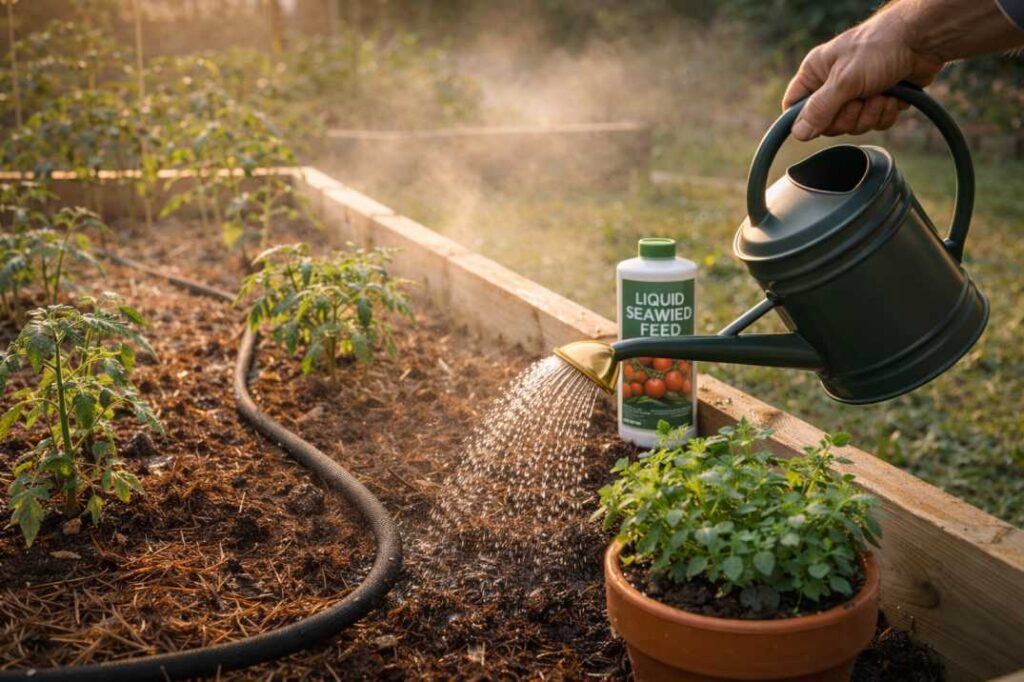
- Feed plants every 2-3 weeks with a liquid seaweed or fish emulsion fertiliser.
- Watch for pests and deal with them immediately.
- Harvest! Pick veggies young and often—this encourages more production.
- Start a gardening journal. Note what works, what doesn’t.
Advanced Move: Create a Wellness & Productivity Hub
As you gain confidence, integrate your veggie patch into the broader 2026 garden trends. Create a multi-purpose outdoor living space where your raised beds are surrounded by a sensory garden of fragrant herbs and rustling grasses. Add a comfortable seat for a wellness-focused reading nook among your plants. Use natural, textured materials like recycled timber for edging to blend productivity with beauty.
Frequently Asked Questions for Beginner Vegetable Gardening
Q: I have zero space, just a balcony. Can I still grow food?
A: Absolutely! Start with pots. Herbs, cherry tomatoes, lettuce, and chillies all thrive in containers. Just make sure they get enough sun and water.
Q: How much time does it really take?
A: At the start, a few hours on a weekend to set up. Once going, 10-15 minutes every day or two for watering, checking, and harvesting is often enough. It’s a relaxing break, not a chore.
Q: What’s the one thing I shouldn’t skimp on?
A: Soil. Don’t buy the cheapest bag of “garden mix.” Invest in a premium vegetable potting mix for containers, or make your own blend for beds with quality compost. Good soil = happy plants.
Q: What about snails and bugs?
A: Snails are public enemy number one. Go out at night with a torch and pick them off. For aphids, a sharp spray of water from the hose often works. Encourage ladybirds and birds. It’s all part of creating eco friendly backyard projects that work with nature.
Conclusion: Your Journey to a Homegrown Harvest
Starting a vegetable garden Australia in 2026 is one of the most rewarding projects you can undertake. It connects you to your food, your environment, and a community of like-minded growers. It’s not about perfection; it’s about progress, learning, and the simple joy of nurturing life.
Remember, every expert gardener killed their first basil plant. The key is to begin. Start with a single pot of cherry tomatoes or a small bed of lettuce. Let that success fuel your next experiment. Soon, you’ll not only be harvesting food but also a profound sense of accomplishment and connection.
Ready for more? Explore our other guides to deepen your journey: learn about eco friendly backyard projects, get inspired by backyard sustainability ideas australia, or discover more sustainable backyard ideas australia to transform your entire outdoor space.
Now, grab a trowel, some seeds, and get growing. Your 2026 harvest awaits
1 thought on “Start a Vegetable Garden Australia: A Beginner’s 5 Amazing Step Guide”