
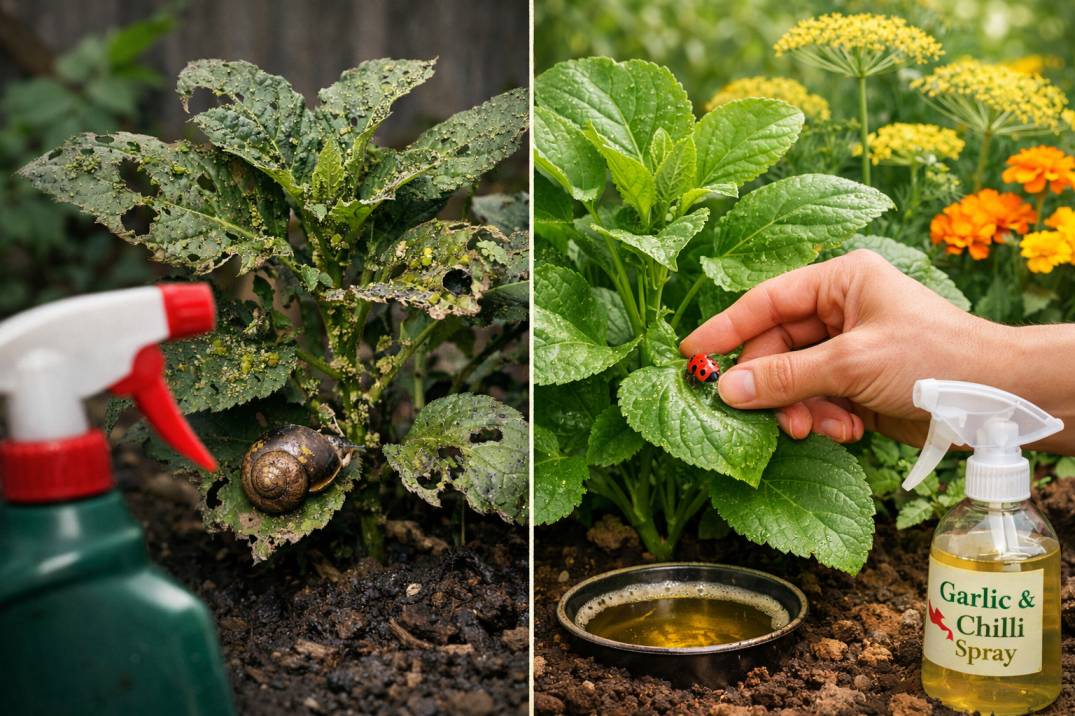
Organic pest control Australia is about more than just swapping a chemical spray for a homemade one. It’s a complete mindset shift. It’s moving from seeing your garden as a battlefield to cultivating it as a balanced ecosystem. If you’re tired of finding your seedlings shredded overnight or watching aphids suck the life from your roses, this guide is for you. I’m here to tell you that you can have a thriving, productive garden without resorting to the hard stuff.
For years in my Melbourne garden, I fought a losing war against snails and caterpillars. I’d spray, they’d come back. It was frustrating. The real breakthrough came when I stopped trying to eradicate every bug and started focusing on resilience. I learned which plants to grow together, how to invite in the good bugs, and how simple household items could become my most effective tools. The results weren’t instant, but they were lasting.
This guide pulls together everything I’ve learned. We’ll build a complete system, starting with the foundation of a healthy garden and moving to specific, actionable solutions for our most common Aussie pests. You’ll learn not just how to react to problems, but how to prevent them from taking hold in the first place.
Table of Contents
The Pillars of a Pest-Resilient Garden
Think of organic pest control as a pyramid. Right at the top, as the last resort, are the direct interventions like sprays and traps. But the vast, solid base of the pyramid is all about prevention. A strong, healthy garden is your best defence. Let’s build that base.
1. Start with Healthy Soil
It all begins underground. A plant growing in rich, living soil is naturally more vigorous and better able to withstand pest pressure. It’s like a person with a strong immune system. Regularly adding compost is the single best thing you can do. If you’re starting from scratch, our complete guide on how to improve garden soil Australia, wide is your essential first step.
2. Choose the Right Plants for Your Place
Stressed plants send out signals that pests can detect. Grow what suits your local climate and soil. Sun-loving plants stuck in the shade will struggle and attract trouble. Embrace Australian natives, they’re adapted to our conditions and often have natural defences local pests aren’t used to. Need help choosing? Our state-by-state guide to native plants Australia is a fantastic resource.
3. Encourage Biodiversity (Embrace the Messy!)
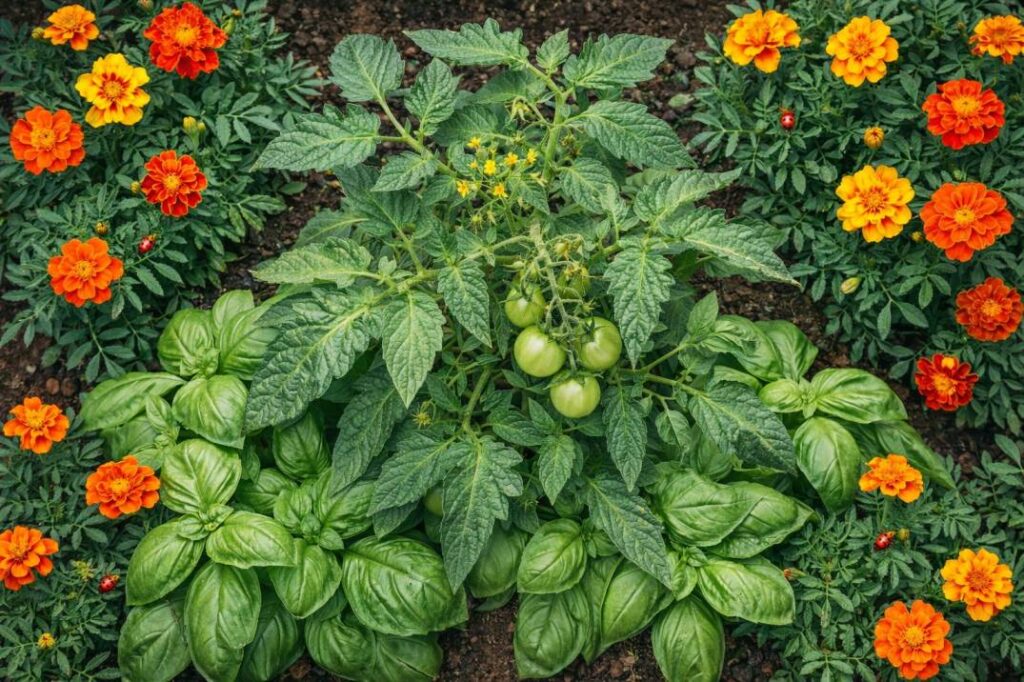
A perfectly manicured lawn and neat rows of a single vegetable are a pest paradise. Diversity is your secret weapon. Mix flowers, herbs, and veggies together. Let some herbs flower to feed beneficial insects. A diverse garden confuses pests and provides homes for their natural predators.
4. Get Your Timing Right
Plants sown at the right time of year grow strong and fast, often outpacing pests. A struggling autumn tomato will be a magnet for problems. Follow a good seasonal planting guide Australia to ensure your plants have the best possible start in life.
Your Organic Pest Control Toolkit: Methods Compared
When a pest problem does pop up, you have a whole toolkit of methods. The key is to start with the simplest and most targeted option.
| Method | How It Works | Best For | Key Consideration |
|---|---|---|---|
| Physical Removal | Hand-picking, hosing off, using barriers. | Immediate action, large pests (e.g., snails), visible infestations. | Requires regular monitoring. Very safe and direct. |
| Biological Control | Introducing or encouraging natural predators. | Ongoing prevention, soft-bodied pests (e.g., aphids, caterpillars). | Takes time to establish. Creates a self-sustaining system. |
| Botanical Sprays | Using plant-derived compounds (e.g., neem, pyrethrum). | Knocking down moderate infestations when other methods need help. | Can affect good bugs too; use sparingly and spot-treat. |
| Home-made Remedies | Soap, chilli, garlic sprays; beer traps. | Quick, low-cost interventions for small-scale problems. | Effectiveness varies; requires more frequent application. |
Solving Your Top Aussie Pest Problems
Now, let’s get specific. Here’s how to handle the usual suspects in your garden.
The Slimy Brigade: Natural Snail and Slug Control
These introduced pests love our well-watered, mulched gardens. They’re night-time raiders, munching seedlings to the ground and putting holes in leaves and fruit.
Your Action Plan:
- Night Patrols: The most effective method. Grab a torch and a bucket of soapy water about two hours after sunset, especially after rain. Pick them off and drop them in.
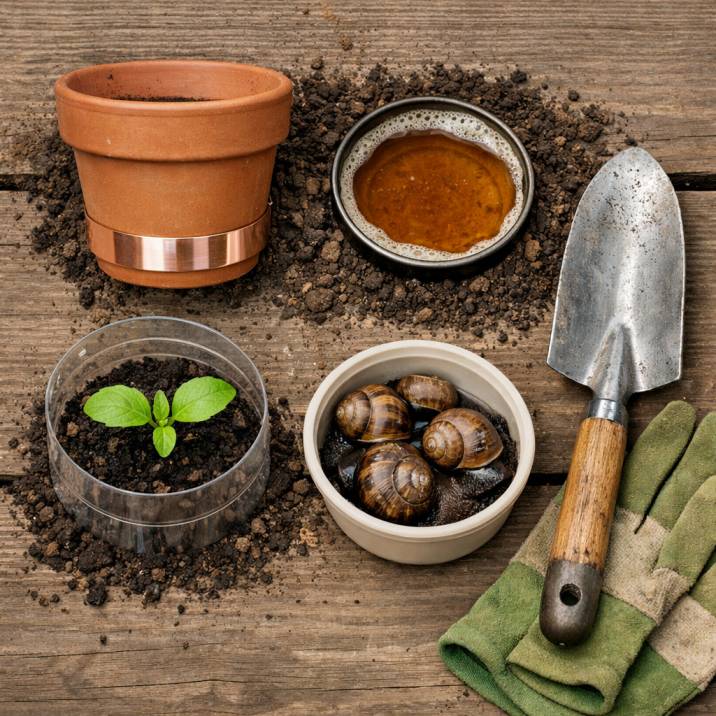
- The Beer Trap: Sink a shallow container (like a jar lid) into the soil so the rim is at ground level. Fill it with cheap beer. Snails are attracted to the yeast, fall in, and drown. Empty and refresh regularly.
- Create Barriers: Protect prized seedlings with a collar made from a plastic bottle (cut off the top and bottom) pushed into the soil. Copper tape around pots or garden bed edges gives them a tiny electric shock they won’t cross.
- Reduce Their Hideouts: Clean up pots, timber, and bricks where they shelter during the day.
- What Doesn’t Work Well: Crushed eggshells, diatomaceous earth, and wood ash can be unreliable barriers. They only work if kept perfectly dry, and snails can often slide right over them.
The Sap-Suckers: Aphid Treatment Australia
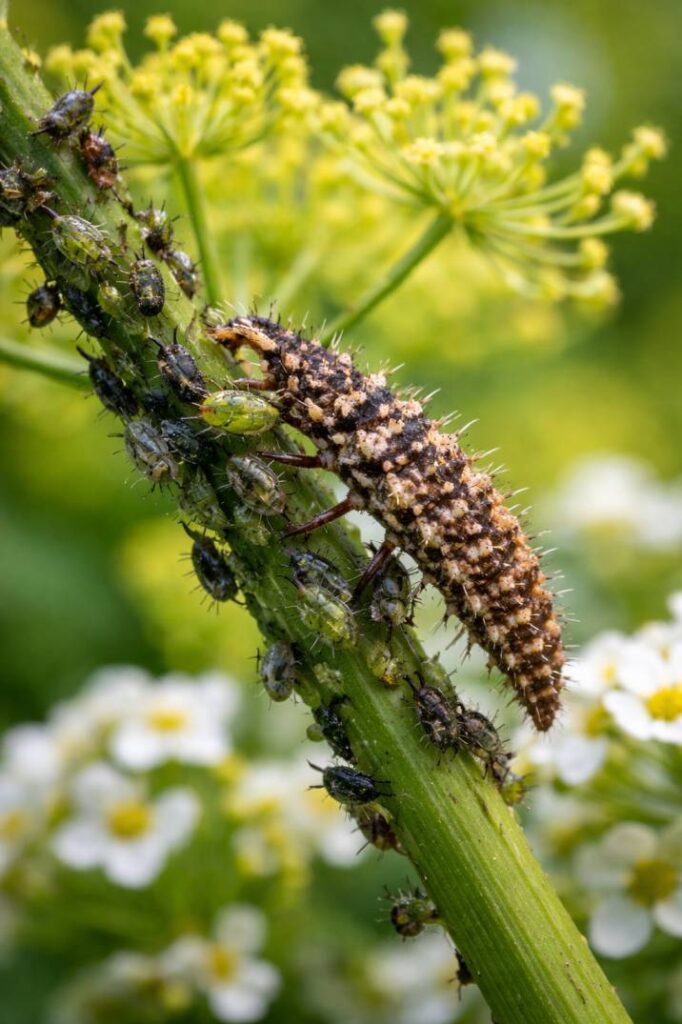
Aphids are tiny, soft-bodied insects that cluster on new growth, sucking sap and causing leaves to curl and distort. They also excrete a sticky “honeydew” that leads to sooty mould.
Your Action Plan:
- The Blast Method: A strong jet of water from your hose can knock aphids off plants. They are often too weak to climb back up.
- Soap Spray – The Classic Remedy: Mix 1-2 ml of a pure liquid castile soap (not detergent) with 100 ml of water in a spray bottle. Add a teaspoon of cooking oil to help it stick. Spray directly onto the aphids, especially under leaves. The soap breaks down their protective coating.
- Bring in the Cavalry: This is where beneficial insects garden strategies shine. Ladybirds, lacewings, and hoverfly larvae are voracious aphid eaters. You can buy them online from suppliers like Bugs for Bugs, or better yet, plant to attract them. Flowers like alyssum, dill, and coriander are perfect for attracting these allies.
- Sticky Traps: Aphids are attracted to the colour yellow. A bright yellow dish filled with water will attract and drown them.
The Flying Chewers: Caterpillars and Beetles
- For Caterpillars: The best defence is vigilance. Check the undersides of leaves for eggs and pick off small caterpillars by hand. For larger infestations, Bacillus thuringiensis (Bt) is an excellent organic, bacteria-based spray that specifically targets caterpillar guts without harming other insects.
- For Beetles (like the 28-spot Ladybird): Hand-pick in the early morning when they’re sluggish and drop into soapy water. Neem oil spray can act as a deterrent.
Recruiting Your Garden’s Security Team: Beneficial Insects
This is the most rewarding part of organic pest control. You’re not working alone; you’re managing a team.
- Ladybirds & Their Larvae: These spotted heroes and their spiky, alligator-like larvae consume vast numbers of aphids. Plant daisies, marigolds, and yarrow to give them pollen and nectar.
- Lacewings: Their delicate, green larvae are called “aphid lions” for a reason. They’re ferocious predators. They love dill, angelica, and cosmos.
- Parasitic Wasps: Tiny and harmless to humans, these wasps lay their eggs inside pests like aphids and caterpillars. The ultimate targeted control. They’re attracted to flowering herbs like thyme and mint.
- Birds, Frogs & Lizards: A birdbath, a small pond, or a lizard-friendly rock pile invites these fantastic pest controllers into your garden. A blue-tongue lizard is worth its weight in gold for natural snail control.
The Aussie Climate Factor: What Works Where
Our vast country means a one-size-fits-all approach doesn’t work.
- Humid & Subtropical (QLD, Northern NSW): Fungal diseases and pests like fruit fly thrive here. Focus on superb air circulation, soil drainage, and summer crop rotation. Neem oil can be useful as a preventative spray.
- Temperate (VIC, SA, NSW, WA): You have distinct pest seasons. Snails and slugs are worst in the cool, damp months. Aphids peak in spring and autumn. Your vegetable planting calendar should include time for soil improvement between crops.
- Cool & Cold (TAS, High Country): The shorter season can reduce some pest pressure. Use cloches and cold frames not just to warm the soil, but to create a physical barrier against early-season pests.
- Arid (Central Australia): Pest issues are often tied to irrigation. Avoid over-watering, which attracts snails. Use drip irrigation systems to keep foliage dry and target water to the roots where it’s needed.
Common Mistakes in Organic Pest Control
- Spraying First, Asking Questions Later: Always identify the pest! Spraying a fungicide on an insect problem wastes time and harms your soil life.
- Neglecting the Soil: Focusing only on the leaves ignores the root of plant health. Build your soil ecosystem with compost and good mulch.
- Using “Organic” Chemicals Indiscriminately: Even natural sprays like pyrethrum can harm bees and beneficial insects. Use them as a targeted surgical strike, not a blanket bomb.
- Giving Up Too Soon: Ecosystem balance takes a season or two to establish. Be patient and consistent.
- Forgetting About Companions: Isolating plants makes them targets. Use companion planting principles to your advantage. Grow garlic near roses to deter aphids, or nasturtiums as a sacrificial trap crop.
Frequently Asked Questions
Q: Are store-bought “organic” snail pellets safe?
A: Look for pellets with Iron EDTA (often called iron chelate) as the active ingredient. This is considered low-toxicity to mammals, breaks down into plant nutrients, and won’t harm earthworms or pets in the amounts used in gardens. Avoid metaldehyde-based pellets.
Q: I’ve released ladybirds, but they all flew away. What did I do wrong?
A: They likely flew away because there wasn’t enough food (pests) or habitat for them. The best strategy is to attract and keep them by planting the flowers they need for nectar and tolerating a small aphid population to give them a reason to stay.
Q: My homemade soap spray burned my plant’s leaves. Why?
A: This can happen if you use a detergent or dishwashing liquid instead of a pure, natural soap. It can also occur if you spray in the heat of the day. Always use a pure castile soap, test on a small area first, and spray in the cool of the early morning or late afternoon.
Q: How do I deal with ants farming aphids on my plants?
A: Ants protect aphids for their honeydew. Break the alliance! Apply a sticky barrier like horticultural glue around the trunk of the plant to block the ants’ path. Then deal with the aphids using the methods above.
Q: Is it worth buying beneficial insects online?
A: For a serious, immediate infestation in a greenhouse or on a prized crop, yes, it can be very effective. For general garden health, your money and effort are better spent creating a garden that naturally sustains these insects year-round.
Conclusion: Cultivating Balance, Not Conquest
Transitioning to organic pest control Australia-style is a journey. Some seasons will be easier than others. You’ll have triumphs, like the first time you see a lacewing larva cleaning up your aphids, and setbacks, like a sudden snail invasion after autumn rains.
But the reward is a garden that feels truly alive. It’s a garden where you hear the bees buzzing, spot lizards basking, and understand that every creature, even the pesky ones, has a role. You become a steward, not a combatant.
Start small this weekend. Go on a snail hunt after dark. Plant a pot of dill to attract hoverflies. Observe what’s happening in your garden before you reach for any spray. Build your soil, diversify your plants, and be patient. You’re not just growing plants; you’re growing a resilient, beautiful ecosystem right in your own backyard.
Ready to build the ultimate foundation for your organic garden? Discover how to create the perfect environment for your plants and their beneficial insect allies with our guide to building DIY raised garden beds. And for a steady supply of the best soil amendment, master the art of backyard composting for beginners.
1 thought on “Organic Pest Control Australia: 5 Smart Ways to Win the Bug War Naturally”