Table of Contents
Creating a sustainable backyard in Australia is one of the smartest and most rewarding decisions you can make as a homeowner or renter. A sustainable backyard helps you save water, reduce energy costs, grow healthy food, protect native wildlife, and lower your environmental footprint, all while increasing the value and beauty of your home.
You don’t need a large property, expensive tools, or expert knowledge to begin. Whether you live in Sydney, Melbourne, Brisbane, Perth, or a regional area, this guide will walk you step by step through how to start a sustainable backyard in Australia, even if you’re a complete beginner.
What Is a Sustainable Backyard?
A sustainable backyard is an outdoor space designed to work with nature, not against it. It focuses on:
- Efficient water use
- Native and climate-appropriate plants
- Reducing waste through composting
- Saving energy
- Supporting birds, bees, and local wildlife
- Producing food naturally
In Australia’s harsh climate with droughts, heatwaves, and water restrictions, sustainability is not just a trend; it’s a necessity.
Why Sustainable Backyards Matter in Australia
Australia is one of the driest inhabited continents on Earth. Climate change has increased extreme heat, bushfires, and water scarcity. By building a sustainable backyard, you help:
- Reduce household water usage
- Lower carbon emissions
- Improve soil health
- Support native ecosystems
- Save money on groceries and utilities
Even small changes in your backyard can make a big difference when multiplied across thousands of homes.
Step 1: Understand Your Backyard Environment
Let’s see how to start a sustainable backyard in Australia. Before you plant anything or buy supplies, take time to understand your backyard.
Check Sunlight and Shade
Observe your backyard throughout the day:
- Full sun (6–8 hours): ideal for vegetables
- Partial shade: good for herbs and native plants
- Full shade: suitable for ferns and groundcovers
Know Your Soil Type
Australian soil varies widely:
- Sandy soil (common in coastal areas)
- Clay soil (common in NSW and Victoria)
- Loamy soil (ideal but rare)
A simple soil test from Bunnings or your local nursery can help you choose the right plants.
Identify Your Climate Zone
Australia has several climate zones:
- Tropical (North QLD, NT)
- Subtropical (SE QLD, NSW coast)
- Temperate (VIC, TAS, SA)
- Arid (Central Australia)
Choose plants and systems that suit your local climate.
Step 2: Start with Water-Wise Gardening
Water conservation is the foundation of a sustainable Aussie backyard.
Install a Rainwater Tank
Rainwater tanks are one of the best investments you can make. Collected rainwater can be used for:
- Watering gardens
- Washing cars
- Flushing toilets (with plumbing)
Many Australian states offer rebates for rainwater tanks, which reduces upfront costs.
Use Mulch to Save Water
Mulching helps:
- Retain soil moisture
- Reduce evaporation
- Improve soil health
- Suppress weeds
Use organic mulch like sugarcane mulch, bark chips, or straw.
Switch to Drip Irrigation
Drip irrigation systems:
- Use less water than sprinklers
- Deliver water directly to plant roots
- Reduce water loss from evaporation
They are affordable and easy to install in small backyards.
Step 3: Choose Native and Climate-Friendly Plants
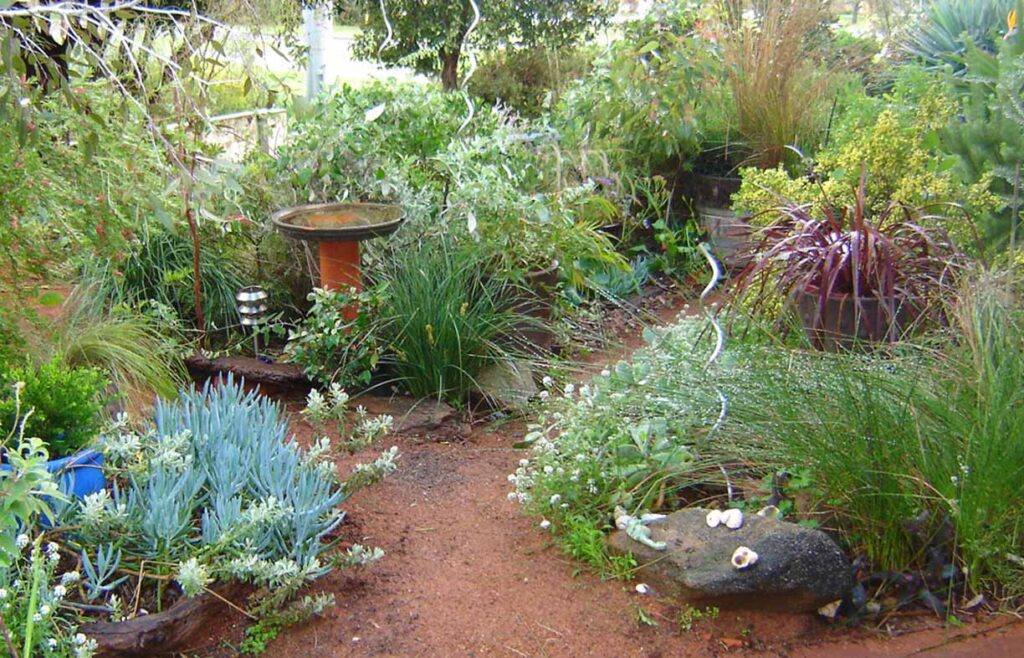
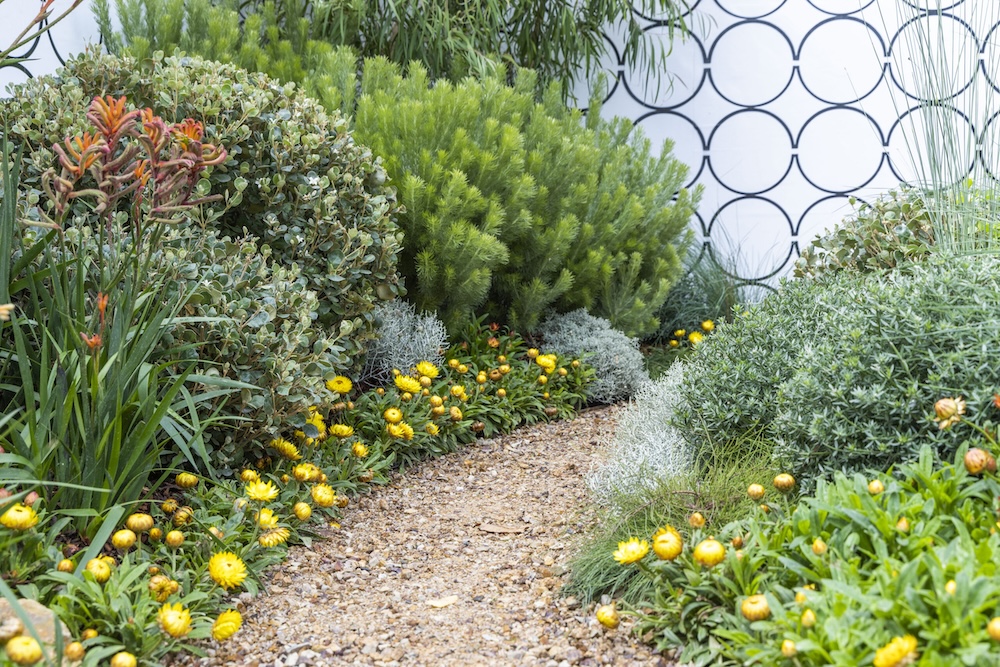
Native plants are perfectly adapted to Australia’s environment.
Benefits of Native Plants
- Require less water
- Need minimal fertiliser
- Attract birds and pollinators
- Resist pests naturally
Popular Australian Native Plants
- Kangaroo Paw
- Grevillea
- Bottlebrush
- Lomandra
- Banksia
Native plants also support bees, butterflies, and native birds.
Step 4: Grow Your Own Food Sustainably
Food gardening is a key part of backyard sustainability.
Best Vegetables to Grow in Australia
Easy vegetables for beginners:
- Tomatoes
- Lettuce
- Spinach
- Zucchini
- Beans
- Capsicum
Choose seasonal vegetables based on your climate zone.
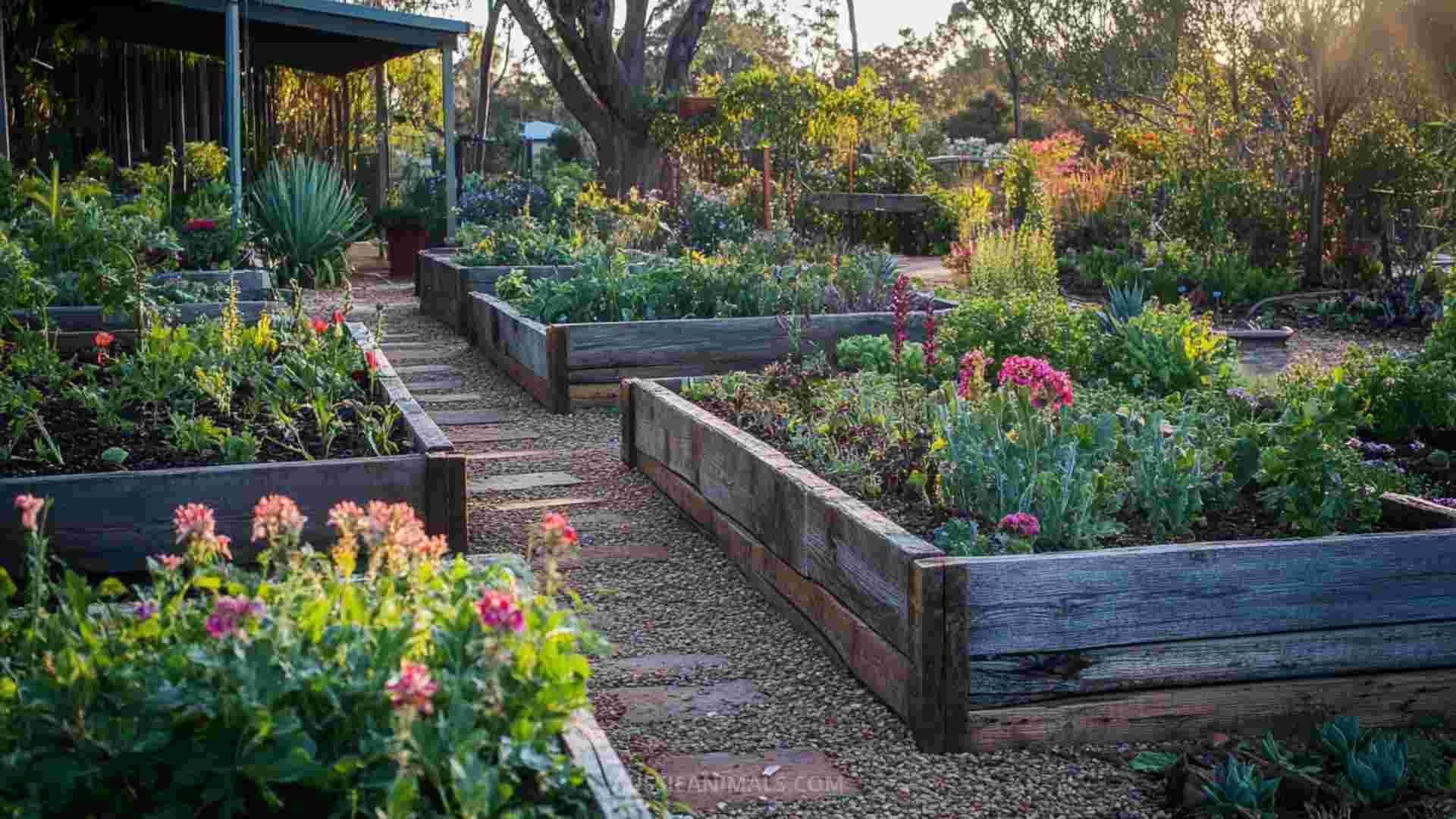
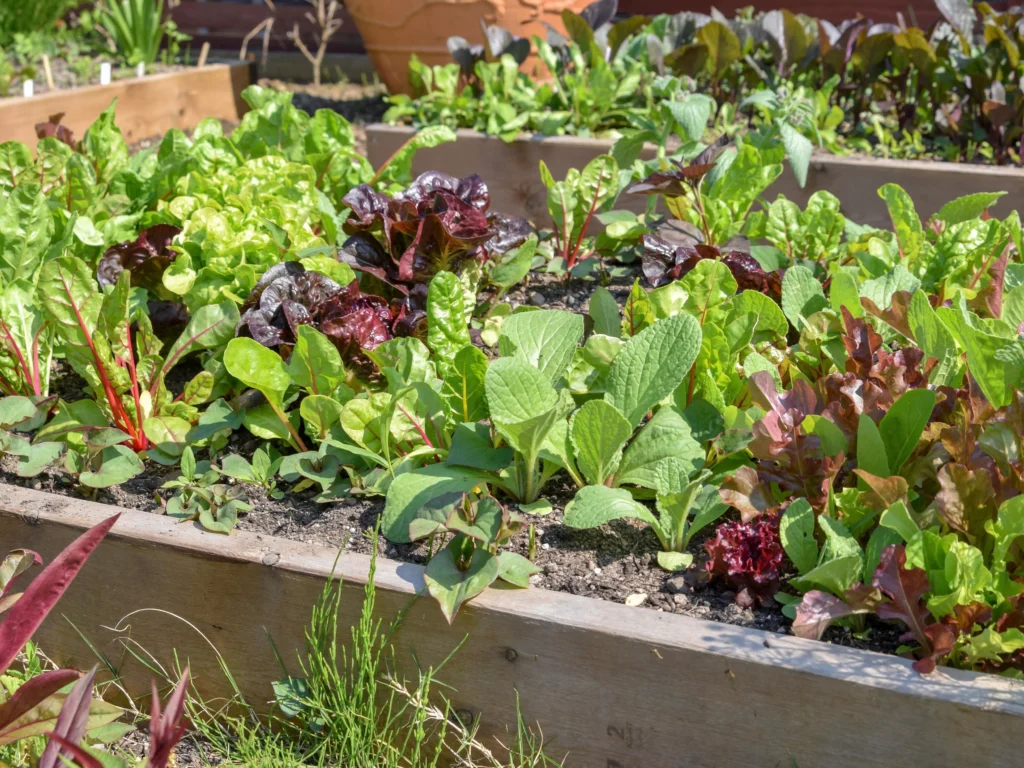
Use Raised Garden Beds
Raised beds:
- Improve drainage
- Reduce soil compaction
- Make gardening easier
- Use less water
They are ideal for small Australian backyards.
Grow Herbs at Home
Herbs are low-maintenance and save money:
- Basil
- Mint
- Rosemary
- Thyme
- Coriander
They grow well in pots and balconies too.
Step 5: Start Composting to Reduce Waste
Composting turns kitchen and garden waste into free fertiliser.
What Can Be Composted?
- Vegetable scraps
- Fruit peels
- Coffee grounds
- Eggshells
- Garden clippings
Avoid meat, dairy, and oily food.
Composting Options in Australia
- Compost bins
- Worm farms
- Bokashi bins
Worm farms are excellent for small backyards and apartments.
Step 6: Create Habitat for Wildlife
A sustainable backyard supports local wildlife.
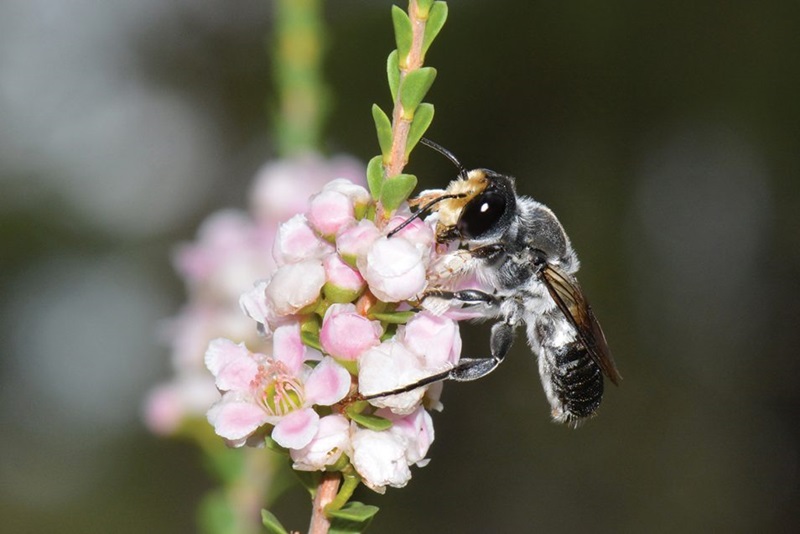
Attract Birds and Bees
- Plant flowering native plants
- Provide bird baths with clean water
- Avoid chemical pesticides
Build Simple Wildlife Features
- Bee hotels
- Rock piles for lizards
- Logs for insects
Healthy wildlife improves garden pollination naturally.
Step 7: Reduce Energy Use in Your Backyard
Sustainability also includes energy efficiency.
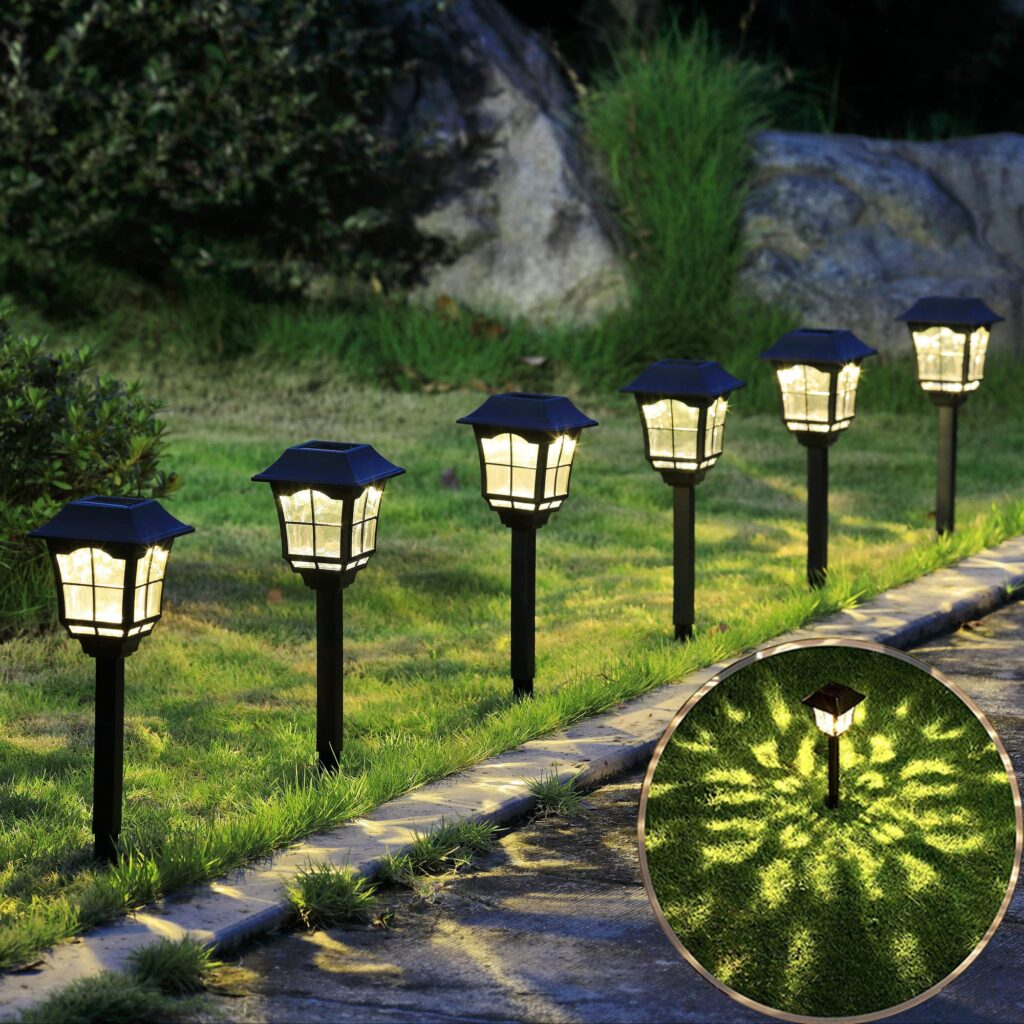
Use Solar Lighting
Solar garden lights:
- Use free solar energy
- Improve safety
- Require no wiring
Choose Manual Tools
Use hand tools instead of petrol tools:
- Manual lawn mowers
- Hand pruners
- Hand weeders
They reduce emissions and noise.
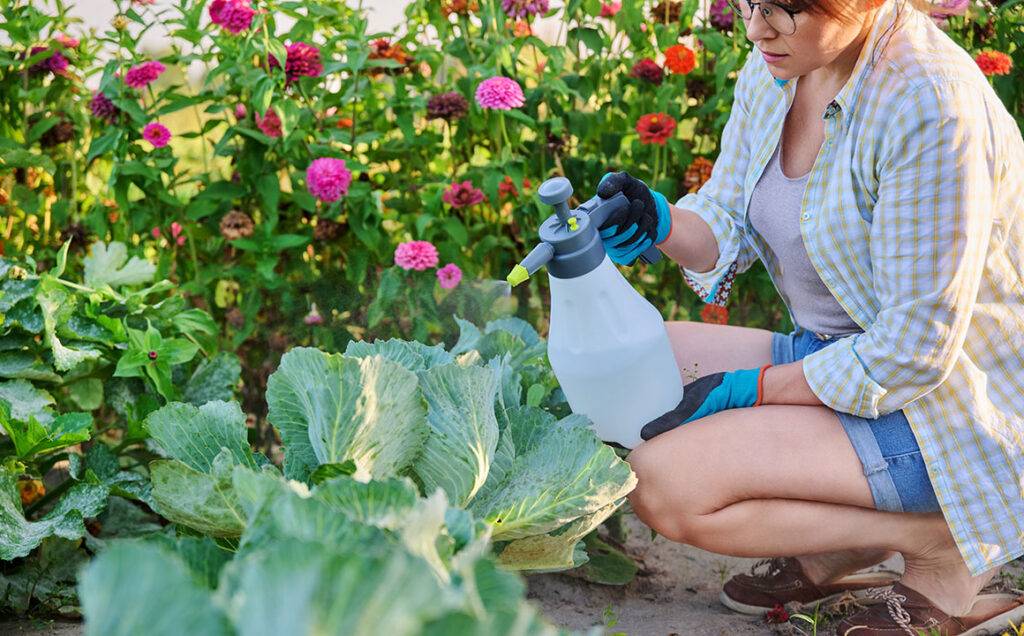
Step 8: Avoid Harmful Chemicals
Chemical fertilisers and pesticides damage soil and waterways.
Use Organic Alternatives
- Compost and worm tea
- Neem oil
- Natural pest deterrents
- Companion planting
Healthy soil creates strong, pest-resistant plants.
Step 9: Start Small and Improve Over Time
You don’t need to do everything at once.
Start with:
- One rainwater barrel
- A small veggie patch
- One compost bin
Sustainability is a journey, not a race.
Common Mistakes to Avoid
- Overwatering plants
- Planting unsuitable species
- Ignoring soil health
- Using chemicals unnecessarily
- Trying to do too much at once
Learn slowly and adjust as you go.
Benefits of a Sustainable Backyard
A sustainable backyard helps you:
- Save money
- Eat healthier food
- Reduce stress
- Protect the environment
- Increase property value
It also creates a peaceful, productive outdoor space for your family.
Final Thoughts
Starting a sustainable backyard in Australia is achievable for everyone, renters, homeowners, beginners, and experienced gardeners alike. With thoughtful planning, water-wise practices, native plants, and small daily actions, your backyard can become a powerful part of a greener future.
Every compost bin, rainwater tank, and native plant contributes to a healthier Australia.
3 thoughts on “How to Start a Sustainable Backyard in Australia- 9 Amazing Steps”