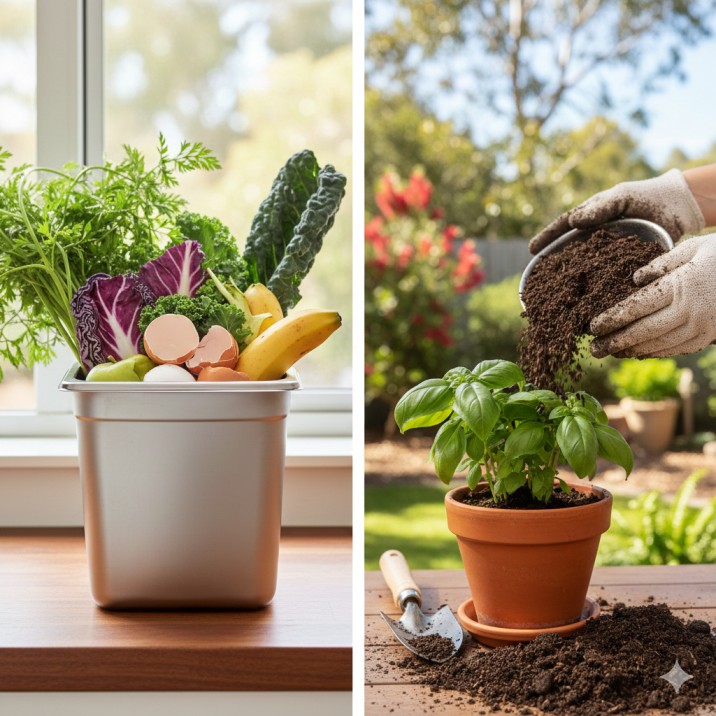
Let me tell you something honest. Every time I scraped vegetable peels into the kitchen bin, I felt a little guilty. Watching that bin fill up with what I knew was potential garden food just felt… wrong. Especially when I looked at my struggling plants outside. They were thirsty for good soil, and I was throwing it away. During our last big dry spell, I remember looking at my sad, thirsty garden and thinking “there has to be a better way.”
Sound familiar?
For years, I thought composting at home Australia was complicated. I imagined it needed a science degree, a huge backyard, and would probably smell awful. I was wrong. So completely wrong.
Starting composting at home Australia was one of the best things I ever did for my garden and my conscience. My red-lid bin is lighter. My plants are happier. And that feeling of guilt? Replaced by a simple, satisfying daily habit. It became as natural as another water-saving habit I adopted: setting up a greywater system for my garden. Both transformed how I viewed resources I used to waste.
This isn’t about being a perfect eco-warrior. It’s about making one small, smart change. If you’ve ever looked at your food scraps and thought, “There has to be a better way,” you’re in the right place. This is your no-nonsense, beginner-friendly guide. We’ll walk through five simple steps that actually work in the real Australian climate.
No confusing jargon. Just clear, practical advice to help you turn waste into wealth.
Table of Contents
Why Bother Composting? Your “Why” Matters
Before we get our hands dirty, let’s talk about why this matters. Understanding your “why” makes the habit stick. It’s the same mindset that makes other sustainable practices, like choosing the right native plants for your backyard, so rewarding—you’re working with your environment, not against it.
First, let’s talk about your wallet. How much do you spend on bagged soil, fertiliser, and potting mix each year? Compost is free garden gold. It improves your soil structure better than anything you can buy. For sandy soil, it helps retain precious water—a crucial benefit in our climate, as you’ll know if you’ve tried any serious water saving tips for your backyard. For heavy clay, it creates space for roots to breathe. You’ll save money and grow healthier plants.
Then, there’s the bigger picture. According to the experts at Sustainability Victoria, food and garden waste makes up a huge part of our household rubbish. When this rots in landfill, it creates methane, a powerful greenhouse gas. By composting, you’re directly reducing your household’s environmental footprint. It’s a powerful, personal act.
But for me, the best reason is the simplest. There’s a quiet magic in closing the loop. You take scraps from your kitchen, transform them, and feed your garden. The garden gives you beauty, food, or flowers. It’s a rewarding cycle that connects you to the natural world right outside your door. It turns your backyard into a living system.
Your 5-Step System for Composting Success
The biggest myth about composting at home Australia is that it’s hard. Nature wants to break things down. Our job is just to help it along. Forget complicated formulas. Just follow these five steps.
Step 1: Choose Your Composting Champion (The Easy Way)
Your first decision is the system. Don’t overthink it. Your choice depends on space and lifestyle, much like choosing between different types of garden setups.
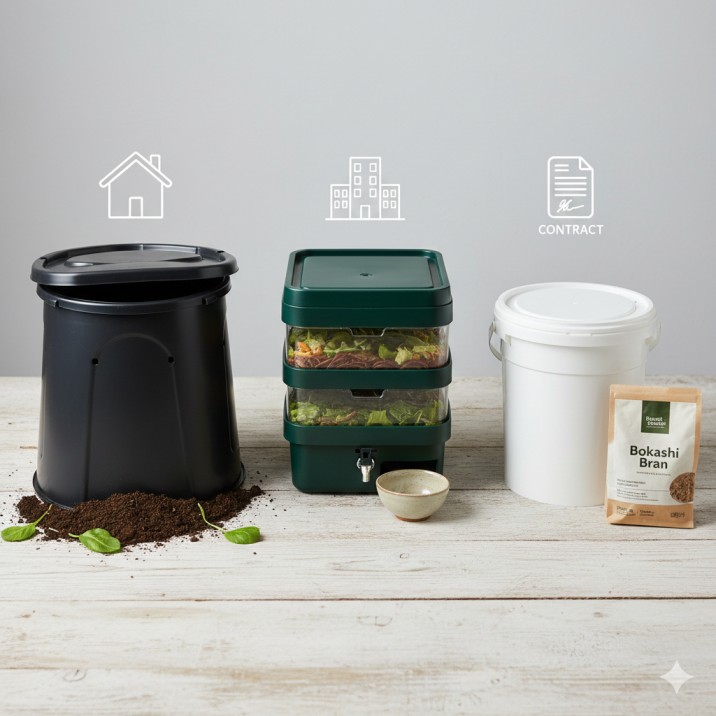
For most backyards: Start with a classic compost bin or tumbler. You can buy a simple black plastic bin from your local council or hardware store. They’re affordable, neat, and keep pests out. A tumbler is great if you want to turn your compost easily without a fork. Think of it as the basic, reliable workhorse of your sustainable backyard.
For small spaces or balconies: Get a worm farm. Worms are composting superstars! They work fast, don’t smell, and produce incredible liquid fertiliser (“worm tea”). They’re perfect for apartments or courtyards. The Australian City Farms & Community Gardens Network has a fantastic, trusted guide to worm farming for beginners. It’s a brilliant solution for smaller spaces where every square metre counts.
For everyone, especially renters: Try Bokashi. This is a Japanese method where you ferment scraps in a sealed bucket. You can compost meat, dairy, and cooked food too! It’s fast, odourless, and the resulting product can be buried in a garden or added to a traditional compost bin to finish.
My advice? Start with one. A single compost bin is the perfect, low-pressure way to begin your composting at home Australia journey. You can always add another system later, like a worm farm for your kitchen scraps, once you get the hang of it.
Step 2: Find the Sweet Spot & Gather Your Ingredients
Location is key. Place your composter in a spot with dappled shade. Full Aussie sun will dry it out; deep shade might keep it too wet. Make it easy on yourself—somewhere you can access easily from the kitchen, perhaps near other garden infrastructure like a water-saving setup or your vegetable patch.
Now, for the “recipe.” This is where people get nervous. It’s just two simple lists.
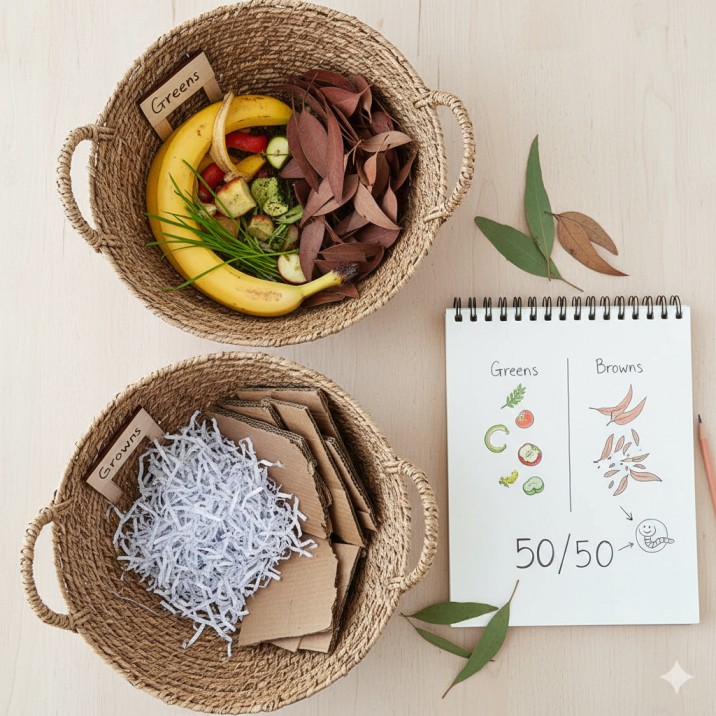
“Greens” (The Nitrogen-Rich, Soft & Wet Stuff)
This is your kitchen waste. Think:
- Fruit and vegetable scraps
- Coffee grounds and tea leaves
- Fresh grass clippings
- Weeds (before they go to seed!)
“Browns” (The Carbon-Rich, Dry & Tough Stuff)
This is your garden and home waste. Think:
- Dry leaves (collect them in autumn!)
- Straw or sugar cane mulch
- Shredded paper (non-glossy) and cardboard
- Egg cartons, torn up
The magic happens when you layer them. Aim for a rough mix. Too many “greens” makes a smelly, slumpy mess. Too many “browns” and nothing will happen. A handful of scraps? Toss on a handful of dry leaves or shredded paper. This balance is as important as choosing the right plants for the right spot.
Step 3: Build, Maintain, and Fix Common Problems
Start your pile with a base of coarse sticks or twigs for airflow. Then, begin your lasagne! Add a layer of “browns,” then a layer of “greens.” Sprinkle with a little water if it’s dry. You want the feel of a damp sponge.
Maintenance is simple:
- Turn it: Once a week or so, use a garden fork to gently mix the pile. This adds air and speeds everything up. If you have a tumbler, just give it a few spins.
- Check the moisture: Give it a squeeze. If water drips out, it’s too wet—add more “browns.” If it’s dusty, it’s too dry—add water or more “greens.”
- Be patient: A well-tended heap can make compost in 3-6 months.
Quick Troubleshooting:
- Smelly? It’s too wet or has too much food waste. Add “browns” (dry leaves, paper) and turn it.
- Not breaking down? It might be too dry or need more “greens.” Add your kitchen scraps, a little water, and mix well.
- Flies? Always bury fresh food scraps under a layer of soil, leaves, or finished compost. A tight lid helps too.
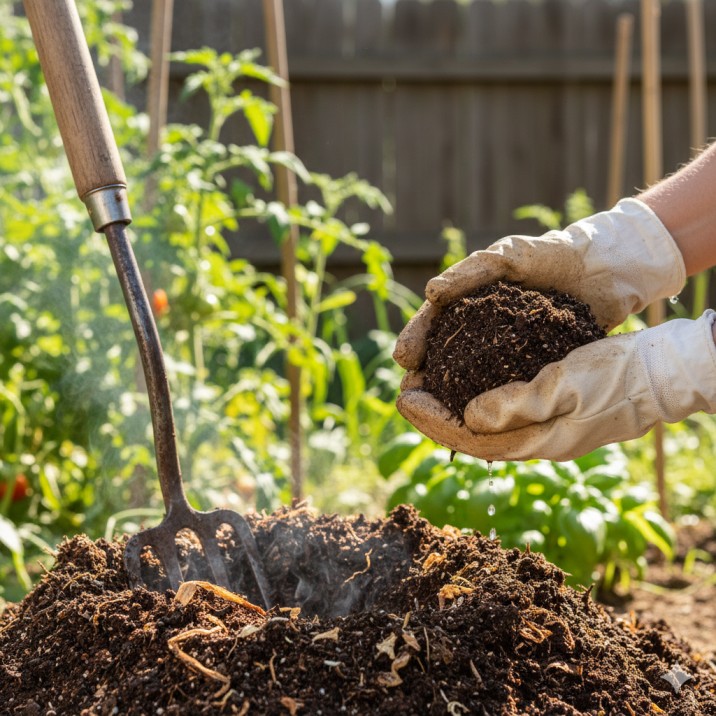
Step 4: Harvest Your “Black Gold”
How do you know it’s ready? Finished compost is dark, crumbly, and smells like fresh earth. You shouldn’t be able to recognise the original scraps.
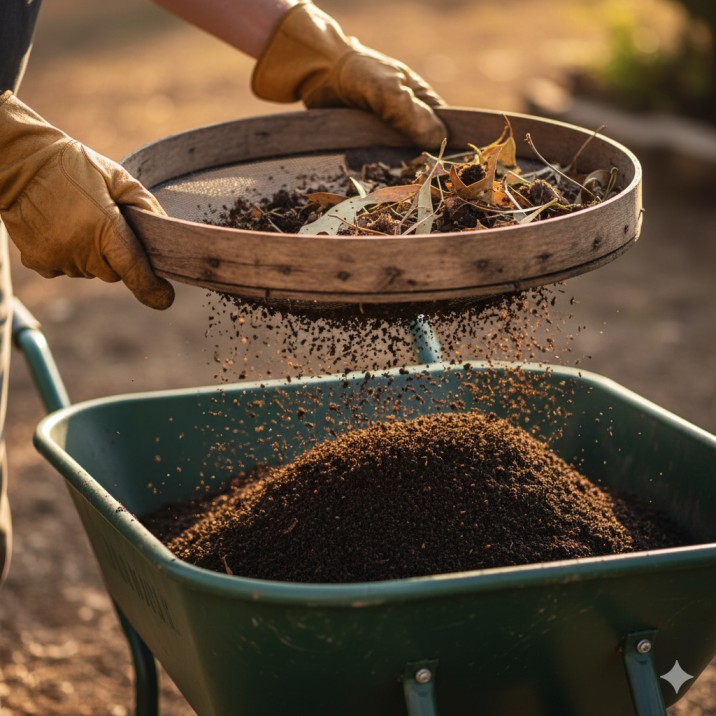
To harvest from a basic bin, stop adding new scraps to one side for a few weeks. Scoop the beautiful finished compost from the bottom. It’s that simple. This “black gold” is the ultimate soil food, perfect for boosting your garden beds or pots.
Step 5: Feed Your Garden and Watch It Thrive
This is the fun part—using your reward! Here’s how:
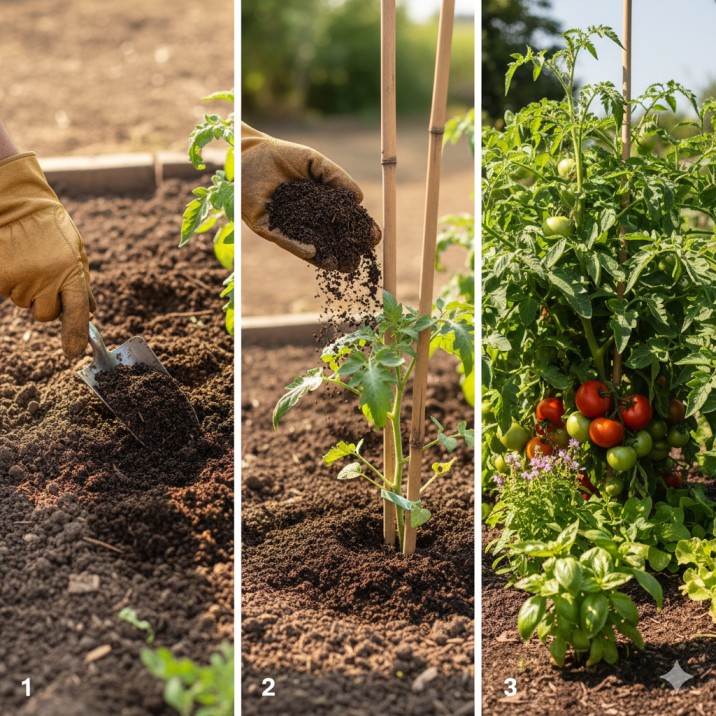
- Soil Supercharger: Mix it into garden beds before planting new veggies or flowers. It’s the perfect partner for hardy Australian native plants, which thrive in healthy, well-drained soil.
- Plant Food: Sprinkle it around the base of established plants as a “top dressing.”
- Potting Mix Booster: Blend a handful into your potting mix for containers.
- Lawn Tonic: Sieve it finely and rake a thin layer over your lawn.
Using your own homemade compost feels incredible. Your plants will show their gratitude with stronger growth and brighter blooms. It completes the cycle, returning nutrients directly to your garden.
Composting in Small Spaces: Yes, You Can!
No big backyard? No problem. Composting at home Australia is for everyone. A thriving garden isn’t about acreage; it’s about smart use of space, whether you’re composting or planning your plantings.
As mentioned, a worm farm or Bokashi bucket are perfect for balconies and courtyards. Many local community gardens also have compost systems and welcome contributions of your scraps. It’s a great way to meet like-minded people!
You can also check with your local council. Many now offer discounted compost bins or have a kerbside FOGO (Food Organics Garden Organics) collection service. Every little bit helps.
The “Do Not Compost” Shortlist
Keep your compost healthy by avoiding these items:
- Meat, bones, and fish scraps (can attract pests—ok in Bokashi).
- Dairy products (can cause odours—ok in Bokashi).
- Diseased plants (the disease might survive).
- Weeds with seeds or invasive roots (like couch grass or onion weed).
- Dog or cat poo (can contain harmful parasites).
- Glossy or coloured paper (inks can contain chemicals).
Making Composting a Simple Habit
The secret to success is making it easy. Keep a small, lidded container on your kitchen bench. A vintage ice cream tub works perfectly. When it’s full, take it out to your compost. Keep a bag of leaves or mulch next to your bin. Dump in your scraps, cover with a handful of “browns,” and you’re done.
It takes 30 seconds. That’s less time than scrolling through your social media feed. Integrate it with your other garden routines, like checking your greywater system or watering, and it becomes a seamless part of caring for your home.
Your Garden as an Ecosystem
When you start composting at home Australia, you’re doing more than managing waste. You’re becoming the manager of a tiny, thriving ecosystem right outside your door. The compost feeds the soil. The healthy soil feeds your plants—whether they’re ornamentals, veggies, or resilient natives. Those plants provide beauty, food, and habitat.
Combining composting with other practices, like using greywater and planting water-wise natives, creates a backyard that’s not just pretty, but resilient and responsible. It’s a garden that gives back more than it takes.
Start Your Compost Journey Today
Look, starting anything new can feel like a hurdle. But composting at home Australia is one of the easiest, most rewarding habits you can build.
You don’t need to be perfect. You just need to start. Begin with a bucket. Save your veggie peels. Notice how much less goes in your rubbish bin. Feel the satisfaction of creating something valuable from what you once threw away.
Your garden will transform. Your environmental impact will shrink. And you’ll join a community of Australians who are quietly making a difference, one scrap at a time, one garden at a time.
Ready to begin? Your garden is waiting for its feast.
2 thoughts on “Transform Your Waste: The Effortless 5-Step Guide to Composting at Home Australia”