
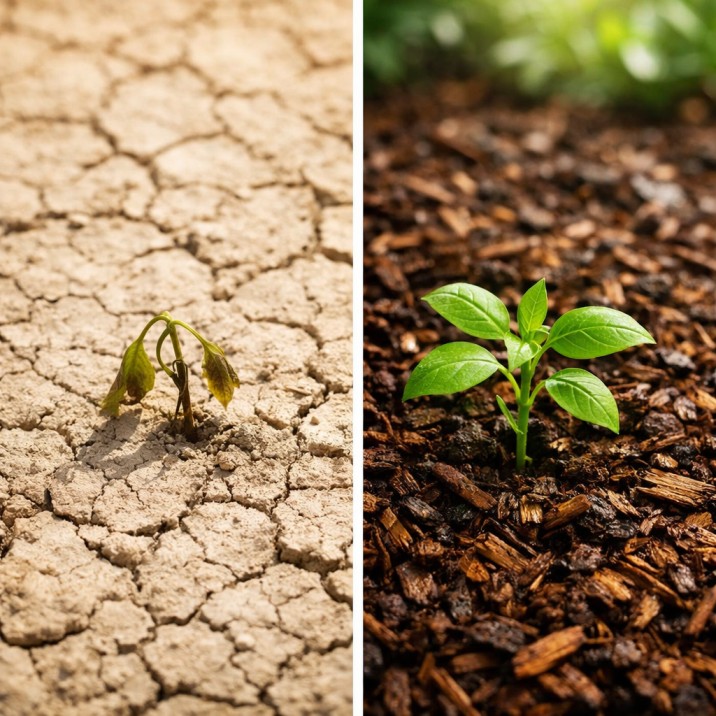
Garden mulch guide Australia – if you only do one thing for your garden this season, make it this. Mulch is the ultimate garden multi-tool, a simple layer that can transform struggling plants into a thriving oasis. In our unique Australian climate, where sun scorches and droughts linger, mulch isn’t just helpful; it’s essential.
Think of mulch as a protective blanket for your soil. It’s the difference between soil that bakes hard as concrete in summer and soil that stays cool, moist, and teeming with life. Whether you’re nurturing a veggie patch, establishing native shrubs, or just trying to keep your garden alive with less watering, this guide will walk you through every step. Forget the confusion at the garden centre; let’s break down exactly what mulch is, why it works, and how you can use it to create a resilient, beautiful, and productive garden.
Table of Contents
Why Your Garden is Begging for Mulch
Before we dig into the how, let’s understand the why. A proper layer of mulch delivers a powerful one-two punch for garden health, offering both immediate and long-term rewards.
- Slash Your Watering Time (and Bill!): This is the superstar benefit for most Aussie gardeners. Mulch acts as a physical barrier against our harsh sun and drying winds, dramatically reducing evaporation from the soil surface. This means the soil stays moist for days longer, and you can water less frequently. Organic mulches like sugar cane are particularly good at this.
- Win the War on Weeds: A thick mulch layer blocks sunlight from reaching weed seeds in the soil, preventing them from germinating. Fewer weeds means less back-breaking work for you and less competition for your plants.
- Turn Dirt into Living Soil: As organic mulches break down, they do something magical: they feed the soil. This decomposition process adds vital organic matter and nutrients, improving soil structure, encouraging beneficial microbes and worms, and creating a fertile environment for roots. If you’re working on building healthier soil from the ground up, this process is your best friend.
- Create a Root Climate-Control System: Mulch is a fantastic insulator. In summer, it keeps soil temperatures cooler, protecting delicate roots from heat stress. In cooler months, it helps retain soil warmth, giving plants a gentler environment.
- Keep Things Clean and Tidy: For edibles like strawberries, tomatoes, and zucchini, mulch provides a clean barrier between the fruit and the soil, preventing rot and soil-borne diseases. It also gives any garden bed a neat, finished, and cared-for look.
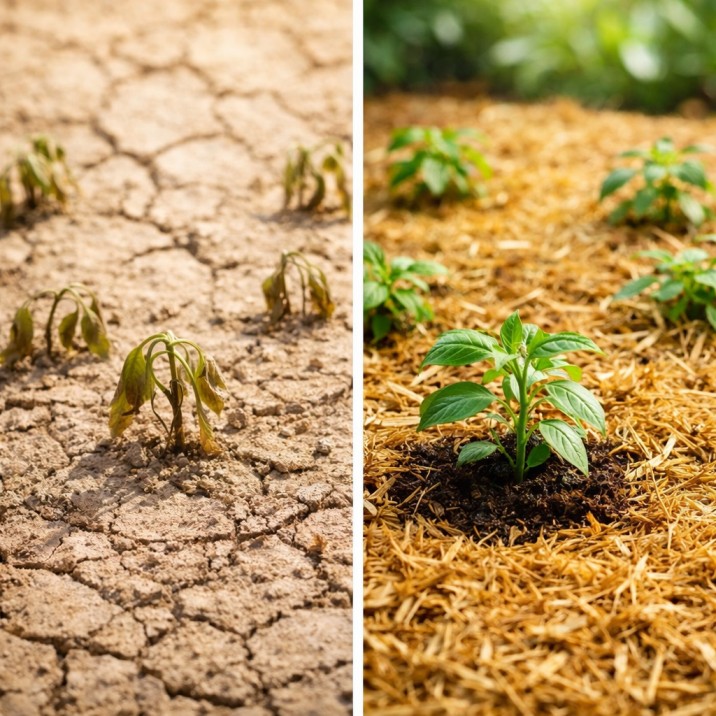
The Great Mulch Breakdown: Organic vs. Inorganic
All mulch falls into two main categories: organic and inorganic. Choosing between them is your first big decision.
Organic Mulches come from something that was once living, plants, trees, or animal manure. They decompose over time. This is a good thing! As they break down, they improve your soil’s fertility and structure, making it richer each season. However, it also means they need to be topped up every year or two.
Inorganic Mulches are made from materials that don’t break down, like stones, gravel, or rubber chips. They are a long-term, low-maintenance solution for pathways or specific garden styles, but they don’t feed your soil at all.
For most garden beds, especially vegetable patches and around shrubs and trees, organic mulch is the go-to choice for its soil-building superpowers.
Your A-Z Guide to Australian Mulch Types
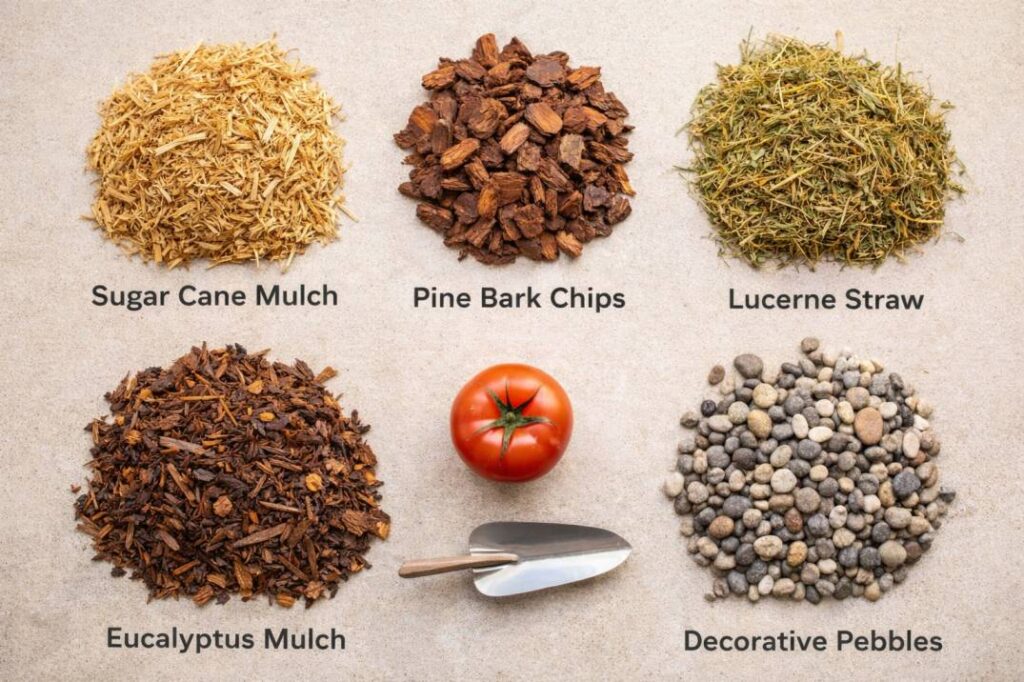
Walking into a garden centre can be overwhelming. Here’s your cheat sheet to the most common types of mulch you’ll find in Australia, and what they’re best for.
Finding the Best Mulch for Your Garden
There is no single “best” mulch. The right choice depends entirely on what you’re growing and where you live.
The Best Mulch for Vegetable Garden Beds
For veggie patches, you want a mulch that conserves water, suppresses weeds, and breaks down within a season or two to feed the soil for your next crop.
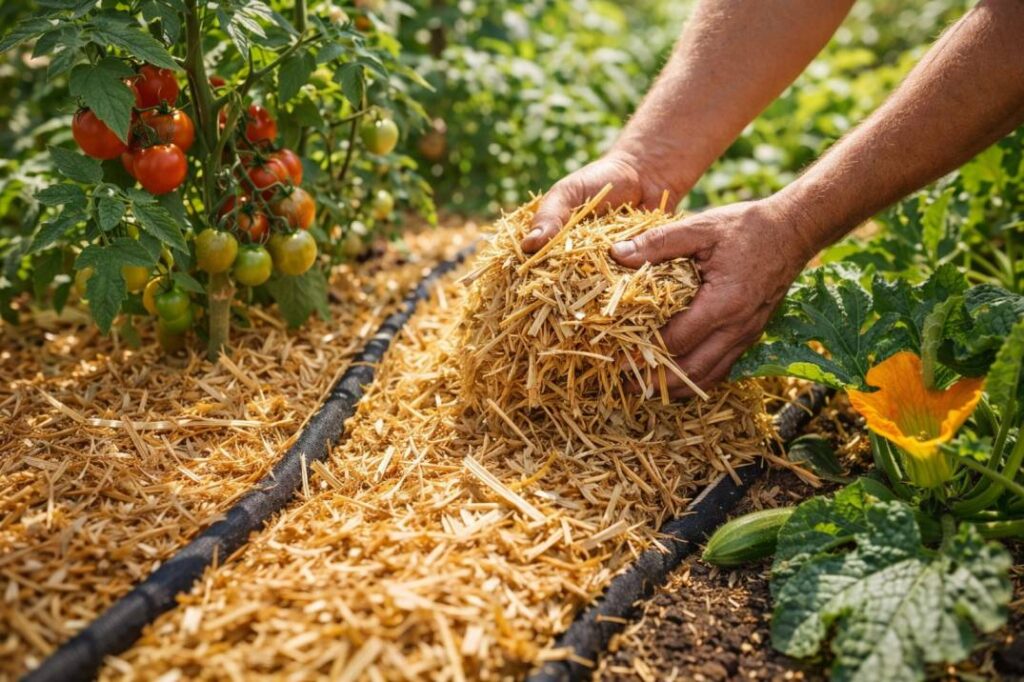
- Top Pick: Sugar Cane Mulch. It’s a favourite for good reason. It’s lightweight, retains moisture beautifully, and as it decomposes, it adds organic matter without matting down too heavily.
- Excellent Alternative: Straw or Lucerne. Straw is a classic, but ensure it’s weed-free. Lucerne (alfalfa) is a nitrogen-rich powerhouse, perfect for giving your soil a fertility kick.
- What to Avoid in Veggie Beds: Steer clear of fresh wood chips or large bark. They break down too slowly and can rob nitrogen from the soil as they decompose. Also, avoid inorganic mulches like stones, which store too much heat.
Mulch for Australian Native Gardens
Natives are adapted to our conditions and often prefer excellent drainage.
- Top Picks: Chunky Wood Chips, Eucalyptus, or Tea Tree Mulch. These coarser materials mimic the natural leaf litter of the bush, allow good air flow, and break down slowly. Tea tree mulch has the added benefit of natural pest-repellent qualities.
- Avoid: Fine mulches that can hold too much moisture against stems, or rich, manure-based mulches that can be too nutrient-rich for sensitive natives.
Matching Mulch to Your Australian Climate
Our continent has wildly different climates, and your mulch should suit it.
- Hot & Dry (SA, WA, Inland NSW): Prioritise moisture retention. Sugar cane, straw, and thicker wood chip blends are ideal. Apply a generous layer before summer.
- Humid & Subtropical (QLD, Northern NSW): Avoid mulches that hold excessive moisture against plant crowns, which can cause rot. Pine bark and wood chips allow better airflow. Be cautious with lucerne in high humidity.
- Temperate (VIC, TAS, Southern NSW): You have more flexibility. Use straw or sugar cane in veggie gardens and bark for ornamentals. Apply in late spring to prepare for summer and again in autumn to protect roots from frost.
The Right Way: How to Apply Mulch (Step-by-Step)
Doing it correctly makes all the difference. A bad mulching job can harm your plants more than help them. Here’s your foolproof method for how to apply mulch.
- Preparation is Key (The Most Important Step!)
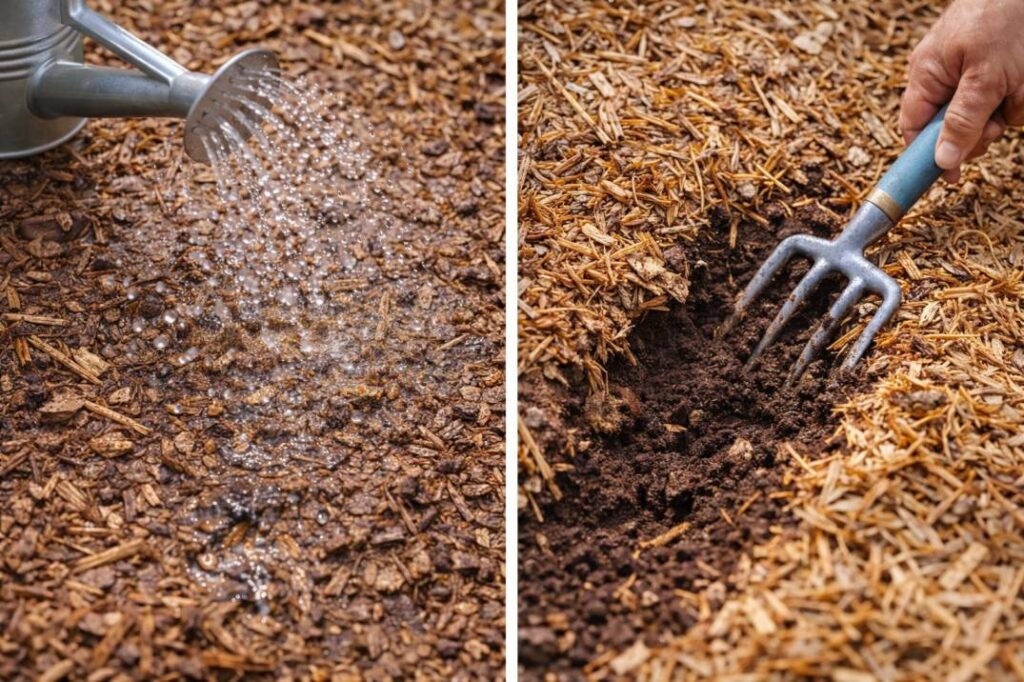
Water your garden deeply a day or two before you mulch. You want to trap moisture in damp soil, not dry dirt. Thoroughly remove all weeds from the bed. If you’re starting a new bed, consider laying down uncoated cardboard or several sheets of newspaper first—this smothers any remaining weed seeds and will break down naturally. - The Golden Rule: Keep it Away from Stems!
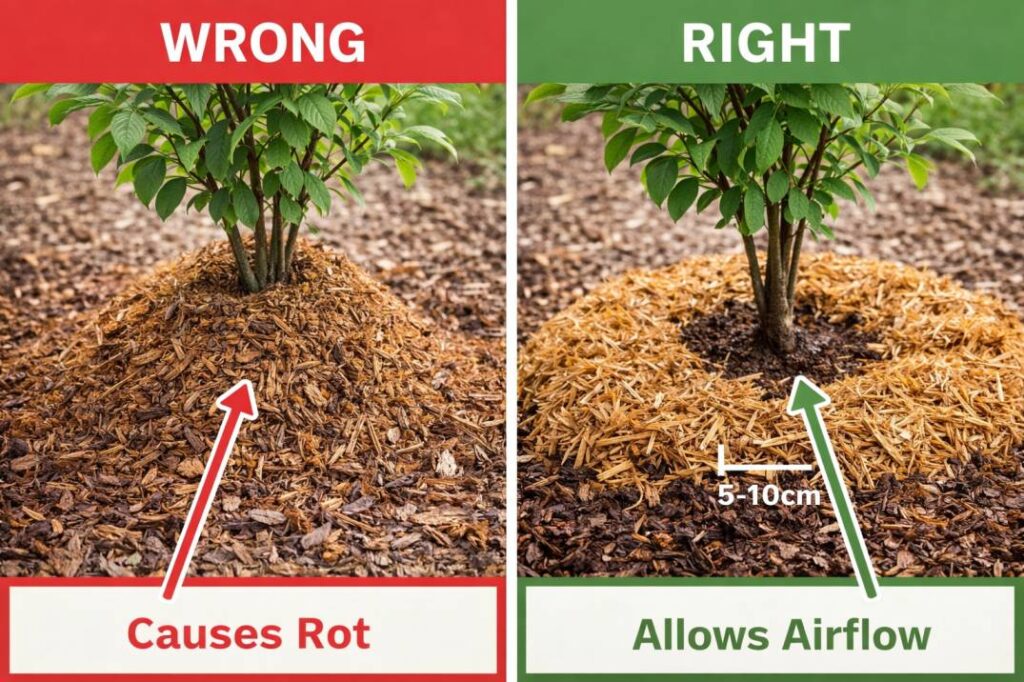
This is the number one mistake gardeners make. Never pile mulch up against the stems of plants or the trunks of trees. This creates a damp environment perfect for rot, disease, and pests. Always leave a 5-10cm clear gap around the base of every plant. - Spread it Evenly and to the Right Depth
For most organic mulches, aim for a layer 5 to 10 cm thick. Too thin (less than 5cm), and weeds will push through. Too thick (more than 10cm), and you can suffocate roots, prevent water and air from reaching the soil, and create a hydrophobic layer that repels water. Use a rake to spread it evenly. - When to Mulch
The best time to apply mulch is in mid to late spring, once the soil has warmed up but before the extreme summer heat hits. You can also apply a fresh layer in autumn to protect plant roots over winter.
The Mulch Pitfalls: Common Mistakes to Avoid
Even with the best intentions, it’s easy to get mulching wrong. Here’s what to watch out for:
- The “Mulch Volcano”: As mentioned, piling mulch high around tree trunks. This is a slow death sentence for trees.
- Using Fresh, Uncomposted Manure or Lawn Clippings: These can get extremely hot as they decompose, potentially burning plant roots and stems. Always compost them first.
- Applying Mulch to Cold, Wet Soil in Early Spring: This can delay soil warming and slow down plant growth. Wait until the soil has had a chance to warm up.
- Forgetting to Top Up: Organic mulch decomposes. If you can see the soil through it, it’s time for a fresh, thin top-up layer.
- Using Contaminated Mulch: Be wary of free mulch from unknown sources or straw/hay that may have been treated with persistent herbicides, which can damage your plants. When in doubt, ask the supplier.
Your Mulch Questions, Answered (FAQs)
Q: How much mulch do I need to buy?
A: It’s a simple calculation. For a 5cm deep layer, you’ll need about 1 cubic metre of mulch for every 20 square metres of garden bed. For a 10cm layer, you’ll need 1 cubic metre for every 10 square metres. Most landscape suppliers sell by the cubic metre.
Q: Should I use weed mat under mulch?
A: This is a common debate. While weed mat provides extra suppression, it also prevents the natural integration of mulch into your soil and can hinder worms and soil life. For garden beds, a thick enough layer of mulch (5-10cm) is usually sufficient. Weed mat is better suited to permanent, decorative areas with inorganic mulch like stones.
Q: Can I use mulch in pots and containers?
A: Absolutely! A thin layer (2-3cm) of fine mulch like pea straw or coconut coir on top of potting mix helps reduce surface evaporation. Just avoid creating a thick layer that might prevent water from penetrating.
Q: Is coloured/dyed mulch safe for my garden?
A: While often made from recycled timber, the dyes used are generally considered non-toxic. However, they don’t add any benefit to the soil and the colour fades over time. For soil health, natural, un-dyed mulches are a better choice.
Q: My soil is already poor and sandy. Will mulch help?
A: Yes, immensely! This is where organic mulch shines. As it breaks down, it adds vital organic matter to sandy soil, helping it retain water and nutrients. It’s one of the best long-term strategies for improving your garden soil here in Australia.
The Final Layer: Mulch for a Sustainable Aussie Backyard
Starting a garden mulch guide Australia journey might seem like a small step, but its impact is profound. By choosing the right mulch and applying it with care, you’re not just gardening, you’re building a ecosystem. You’re conserving our most precious resource, water. You’re building fertile, living soil that will sustain plants for years to come. You’re reducing waste by using organic materials, and you’re creating a garden that is more resilient to our climate extremes.
So, grab a bag of sugar cane for your tomatoes, some wood chips for your natives, and give your garden the blanket it deserves. Your plants will thank you with growth, colour, and bounty, and you’ll spend less time watering and weeding, and more time simply enjoying your own little patch of Australia.
Ready to build the foundation for a truly healthy garden? Discover how to turn your soil into a thriving ecosystem with our complete guide to improving your garden soil in Australia. And when you’re planning your plantings, don’t forget to consult our ultimate guide on native plants for every Australian state to choose the perfect local species for your mulched beds.
3 thoughts on “The Ultimate Garden Mulch Guide Australia: 5-Amazing Step Blueprint for Success”