
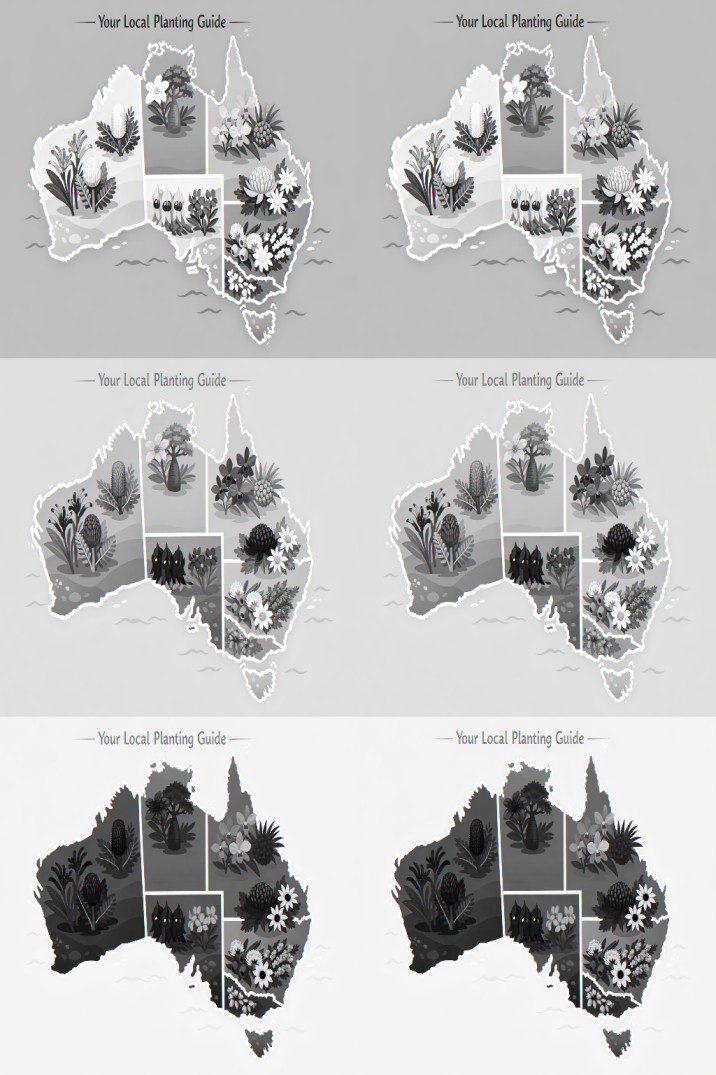
Native plants Australia by state, let’s talk about what this really means for you, standing in your own backyard, maybe feeling a bit overwhelmed. Is that spot full sun or part shade? Why does nothing seem to thrive in that sandy corner? What will actually survive your local summer without turning into a crisp?
I get it. For years, I bought generic “Australian native” plants from big hardware stores, only to watch them struggle. My turning point was a gorgeous Geraldton Wax I planted in my old Melbourne clay. It lasted one wet winter before it just gave up. That’s when I learned the golden rule: the most beautiful, resilient native garden isn’t just Australian, it’s hyper-local.
This guide is the one I wish I’d had. We’re going on a state-by-state tour, but think of it as a friendly chat over the back fence. I’ll share the tough local native shrubs that laugh at drought, the flowering gems that’ll turn your garden into a bird café, and the simple mistakes to avoid. Forget the textbook lists; this is practical, real-gardener advice for creating a slice of local bush that truly belongs.
Table of Contents
Why Your Postcode is Your Garden’s Best Friend
Planting local isn’t just a “nice to do.” It’s a strategic move for a smarter, easier, and more magical garden.
Imagine two gardens:
- Garden A: Has a West Australian Swan River Daisy (pretty, but bred for Perth’s sandy soils) planted in heavy Brisbane clay. It needs constant babying, special soil mixes, and still looks sad.
- Garden B: Has a Brisbane-local Native Violet (Viola hederacea) in that same spot. It spreads happily, handles the humidity, thrives in the soil, and flowers its head off.
Garden B isn’t just healthier, it’s connected. It supports local bees and birds that co-evolved with those plants. It catches rainwater efficiently because its roots are designed for local drainage. It just fits.
The “Local” Advantage, Broken Down:
- Water Wisdom: True low water native plants for your area are adapted to your rainfall patterns. A plant from the 800mm-rainfall Sydney basin will always struggle in 400mm Adelaide without constant help.
- Soil Soulmates: They’re evolved for your dirt, whether it’s acidic sand, alkaline clay, or rocky loam. This means less soil amendment for you.
- Wildlife Welcome: Local birds, butterflies, and insects recognise them as food and home. Planting a bird attracting plants Australia list from your region is like putting out a welcome sign for lorikeets, honeyeaters, and fairy-wrens.
- Built-in Resilience: They have natural defences against local climate extremes, be it humidity, frost, or dry winds.
Your First Step: Become a Garden Detective (Before You Buy a Thing!)
The best planting begins with observation. This weekend, grab a cuppa and just look.
1. The Sun Map Challenge:
Don’t guess. Over a clear day, note where the sun and shade fall at 9am, 12pm, and 3pm. That “full sun” bed might only get 4 hours of harsh afternoon sun, which is very different to 6 hours of gentle morning sun. Many gorgeous understorey local native shrubs are scorched by afternoon blaze.
2. The “Feel Your Soil” Test:
Go out after a light rain. Pick up a handful of soil and squeeze.
- Does it form a tight, sticky ball? You’ve got clay. It holds nutrients but drains slowly. Natives that hate “wet feet” will struggle here.
- Does it feel gritty and fall apart straight away? That’s sandy soil. It drains fast but holds few nutrients. Many hardy natives love it, but they’ll need careful watering at first.
- Does it hold together but crumble easily? You’ve got glorious loam, the gardener’s gold!
3. Look Over the Fence:
What’s thriving in your neighbour’s garden or in local bushland? Those are your best clues. Take photos and visit a nursery with them.
The State-by-State Guide: Your Local Plant All-Stars
Here’s where we get specific. Think of this as a curated shortlist to start your conversation with a local expert at your native nursery.
New South Wales & ACT: From Coastal Heaths to Cool Forests
For the Coastal Garden (Sydney, Central Coast, Illawarra):
- Local Star: Coastal Tea Tree (Leptospermum laevigatum). This tough cookie handles salt spray, wind, and sandy soil beautifully. It’s a fantastic screening plant that grows into a graceful small tree, covered in small white flowers. A true coastal survivor.
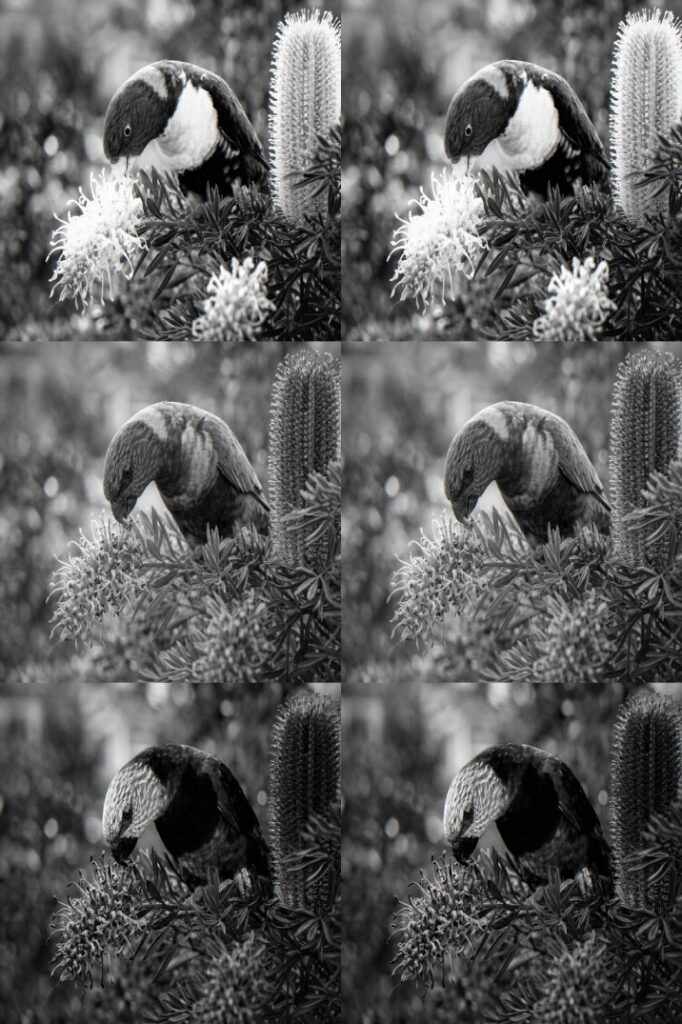
- Bird Magnet: Dwarf Banksia (Banksia spinulosa varieties). Compact forms of this classic are perfect for smaller gardens. Their golden, brush-like flowers are nectar bars for honeyeaters and native bees through autumn and winter when little else is blooming.
- Groundcover Hero: Fan Flower (Scaevola aemula). A sprawling, soft plant with pretty fan-shaped purple flowers nearly all year. It tumbles beautifully over rocks or walls and thrives in well-drained spots.
For the Inland & Tablelands (Blue Mountains, Southern Highlands):
- Frost Hardy Showstopper: Mountain Devil (Lambertia formosa). With unusual, spiky red flowers that look like something from a Dr. Seuss book, this shrub is a unique treasure. It handles light frost and attracts birds with its nectar. Give it good drainage.
- Practical Beauty: Grevillea ‘Evelyn’s Coronet’. A compact, hardy hybrid grevillea that pumps out apricot-pink flower clusters. It’s frost tolerant and thrives in the dappled shade of eucalypts, making it perfect for a bushland-style garden.
Common NSW Mistake: Over-improving soil. Many natives from this region prefer poor, well-drained soil. Adding too much rich compost or manure can kill them with kindness.
Victoria: Celebrating Cool-Climate Gems
For Melbourne & Clay Country:
- Clay Champion: Common Correa (Correa reflexa). If you have heavy soil, meet your new best friend. This unassuming shrub with hanging bell flowers (often in red and green) thrives where others fail. It blooms in winter, providing vital food for birds. It’s the definition of a hardy local native shrub.
- Architectural Beauty: Grass Tree (Xanthorrhoea australis). Slow-growing but worth the wait. Its blackened trunk and majestic fountain of grass-like leaves create stunning sculptural form. It’s incredibly drought-tolerant once established and loves sandy, well-drained spots (so plant it on a mound if you have clay).
- Understorey Magic: Victorian Christmas Bush (Prostanthera lasianthos). A large shrub or small tree that in summer is covered in masses of white to lilac flowers, resembling a snowy peak. It prefers moist, well-drained spots in part-shade.
For the Drier West (Grampians, Wimmera):
- Water-Wise Wonder: Pink Grevillea (Grevillea lavandulacea). A low, spreading shrub with delicate grey-green leaves and clusters of pinkish-red spider flowers. It’s as tough as they come, handling dry summers, poor soil, and light frosts with ease.
Queensland: Embracing the Lush and the Hardy
For Subtropical South-East QLD (Brisbane to Gold Coast):
- Rainforest Elegance: Native Gardenia (Atractocarpus fitzalanii). For shaded, moist areas, this is a queen. Glossy green leaves and beautifully fragrant white flowers make it a luxurious choice. It proves native plants Australia by state can be both tough and exquisitely fragrant.
- Fast & Floriferous: Brisbane Wattle (Acacia fimbriata). For a quick screen or a burst of golden sunshine in late winter, this is your plant. It’s fast-growing, adaptable, and the fluffy yellow balls of flowers are a bee paradise.
- Balcony Buddy: Dwarf Lilly Pilly (Syzygium ‘Cascade’ or ‘Bush Christmas’). Perfect for pots or small gardens, these compact forms offer gorgeous new pink growth, fluffy white flowers, and edible berries, all in a tidy package. They’re fantastic bird attracting plants Australia wide.
For the Tropical North (Cairns, Townsville):
- Monsoonal Master: Cupaniopsis (Cupaniopsis anacardioides – Tuckeroo). A superb shade tree that handles everything the tropics throw at it: humidity, heavy rain, and dry spells. Its glossy green leaves and orange berries are both beautiful and functional.
- Coastal Tough: Beach Almond (Terminalia catappa). Found right on tropical beaches, this tree is the ultimate in salt and wind tolerance. Its large leaves turn stunning shades of red before dropping in the dry season.
QLD Pro Tip: In high-humidity areas, airflow is king. Space plants adequately and avoid overcrowding to prevent fungal issues. Planting on a mound improves drainage immensely during the wet season.
South Australia: The Art of Dry Climate Gardening
For Adelaide & Mediterranean Zones:
- Iconic Beauty: Sturt’s Desert Pea (Swainsona formosa). SA’s famous emblem. It’s an annual, so treat it as a fabulous seasonal spectacle. It needs perfect, sharp drainage (try a raised gravel bed) and full, baking sun. Don’t overwater it!
- Year-Round Performer: Silver Bush (Convolvulus cneorum). While not a true SA native, this Mediterranean plant fits seamlessly. Its shimmering silver foliage and morning-glory-like white flowers provide stunning contrast and thrive in hot, dry, sunny positions with excellent drainage.
- Local Tree Legend: South Australian Blue Gum (Eucalyptus leucoxylon). Choose a smaller cultivar like ‘Euky Dwarf’ or ‘Rosea’ for suburban gardens. You’ll get beautiful bark, graceful habit, and stunning pink or red flowers that are absolute magnets for rainbow lorikeets.
For Arid & Outback Gardens:
- Living Sculpture: Bluebush (Maireana sedifolia). This shrub is a stunning silvery-blue colour that seems to glow in the landscape. It’s supremely adapted to intense heat, drought, and poor soils.
- Shade Provider: Mulga (Acacia aneura). The classic inland tree. Its fine, grey-green foliage casts a beautiful dappled shade, and it’s one of the most drought-tolerant trees on the continent.
SA Crucial Note: Many local soils are alkaline (limestone-based). Avoid plants from acid-loving families (like some Eastern Australian heath plants). Your local natives are already adapted. For more on water management in dry climates, our water-wise backyard guide is essential reading.
Western Australia: A World of Unique Beauty
For Perth & the SW Biodiversity Hotspot:
- The Icon: Kangaroo Paw (Anigozanthos). For longevity and disease resistance, look for named hybrids like ‘Bush Pearl’ (pink) or ‘Bush Gold’. They provide spectacular, long-lasting flowers and are quintessential bird attracting plants Australia has to offer.
- Scented Sensation: WA Peppermint (Agonis flexuosa). A graceful, weeping small tree. Crush a leaf for the most wonderful peppermint fragrance. It’s excellent for light shade and has a beautiful, gnarled trunk with age.
- Groundcover Gem: Woolly Bush (Adenanthos sericeus). Covered in incredibly soft, silvery-green foliage, this plant feels as beautiful as it looks. It creates a stunning textural contrast and is very drought-tolerant.
⚠️ The Non-Negotiable WA Rule: DO NOT use standard fertiliser. Most SW natives (especially Banksia, Grevillea, Hakea) are extremely sensitive to phosphorus. It will poison them. Always use a fertiliser specifically labelled for Australian native plants, which is low in phosphorus.
Tasmania: Cool, Temperate & Unique
For Hobart & Southeast Gardens:
- The Showstopper: Tasmanian Waratah (Telopea truncata). Less well-known than its NSW cousin but equally spectacular. Its large, crimson flower heads emerge in spring. It needs cool, moist, well-drained soil and protection from hot afternoon sun.
- Autumn Colour: Deciduous Beech (Nothofagus gunnii). One of Australia’s few native deciduous trees! It offers stunning autumn colour in cool climates, a rare treat in the Australian garden palette.
- Tough & Pretty: Tasmanian Flax-lily (Dianella tasmanica). A robust clumping plant with strappy leaves and delicate blue flowers followed by deep purple berries. It’s incredibly adaptable to a range of conditions.
Tasmanian Tip: Embrace the cool! Many mainland natives struggle with the lack of summer heat. Your local species are your safest and most beautiful bet.
Northern Territory: Top End Powerhouses
For Darwin & the Monsoonal North:
- Dry Season Delight: Darwin Woollybutt (Eucalyptus miniata). Its spectacular bright orange flowers are a signature of the Top End, signalling the start of the dry season. A vital tree for local wildlife.
- Fragrant & Fast: Native Frangipani (Hymenosporum flavum). Not to be confused with the common Frangipani, this tree has beautifully fragrant creamy-yellow flowers and a fast growth rate, perfect for creating quick shade.
- The Conversation Starter: Green Birdflower (Crotalaria cunninghamii). This is a must-have for the curious gardener. Its fuzzy, neon green flowers are uncannily shaped like tiny hummingbirds. It needs perfect drainage.
NT Planting Wisdom: Plant at the start of the Dry Season (around May). This gives plants a full season of warm, dry weather to establish strong roots before facing the relentless Wet.
Planting & Care: The “Set and Forget” Method (Almost!)
Getting local natives off to the right start is 90% of the battle.
The Perfect Planting Hole:
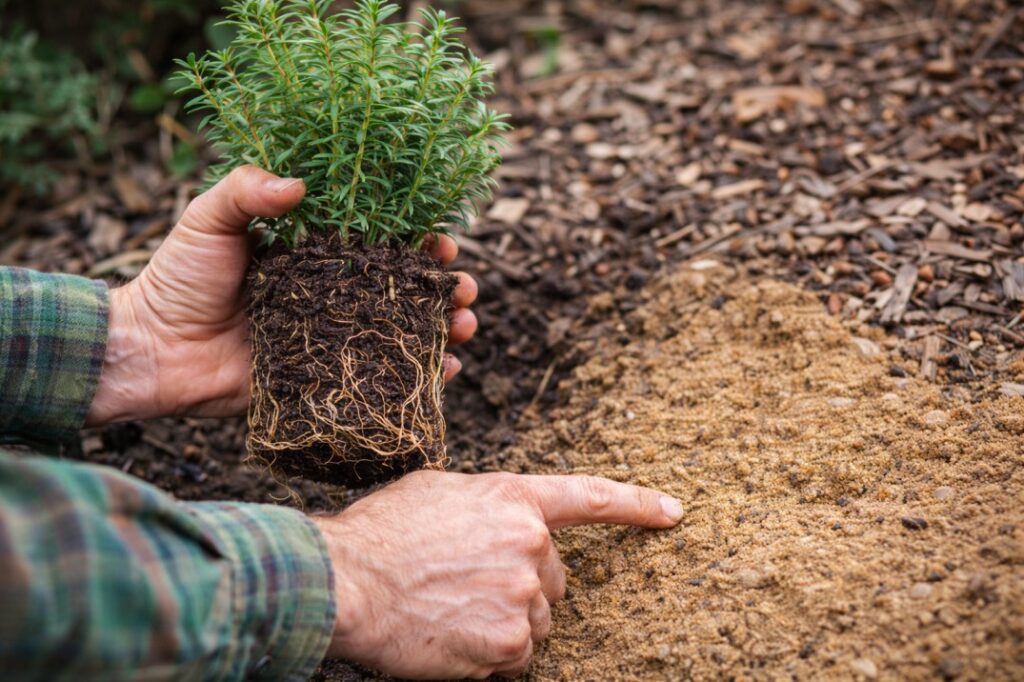
- Dig a hole twice as wide as the pot, but no deeper.
- Soak the plant in its pot in a bucket of seaweed solution while you dig.
- Tease out any obvious, thick roots circling the pot. Don’t smash the root ball.
- Place it in the hole so the top of the root ball is level with the surrounding soil.
- Backfill with the soil you dug out. Don’t add compost or fertiliser at this stage.
- Water in deeply with the leftover seaweed tea to settle the soil and reduce transplant shock.
The Watering Rule for Success:
- Weeks 1-2: Water every 2-3 days.
- Weeks 3-12: Water twice a week.
- Months 4-12: Water once a week in dry periods.
- Year 2+: Most should survive on rainfall. Give a deep soak only in extreme heatwaves or prolonged drought. This trains deep, resilient roots.
To Mulch, and How:
Yes! Use an open, coarse mulch like wood chips, gravel, or cobble. Apply 5-7cm thick, but keep it away from the plant’s stem to prevent rot. Mulch is your best friend for suppressing weeds and conserving soil moisture.
Common Heartbreaks (And How to Avoid Them)
- Death by Loving Watering: Your finger is your best tool. Before watering, poke it into the soil near the plant. If it’s moist 2-3cm down, wait. Soggy soil = root rot.
- The Wrong Food: As emphasized, use native-specific, low-phosphorus fertiliser only. A light application in spring is plenty.
- The Wrong Spot: That gorgeous plant tag saying “full sun” might mean “gentle morning sun” in practice. Observe your garden’s microclimates.
- Impatience: Many natives spend their first year establishing a root system and look underwhelming. Don’t give up! Year two and three are when they shine.
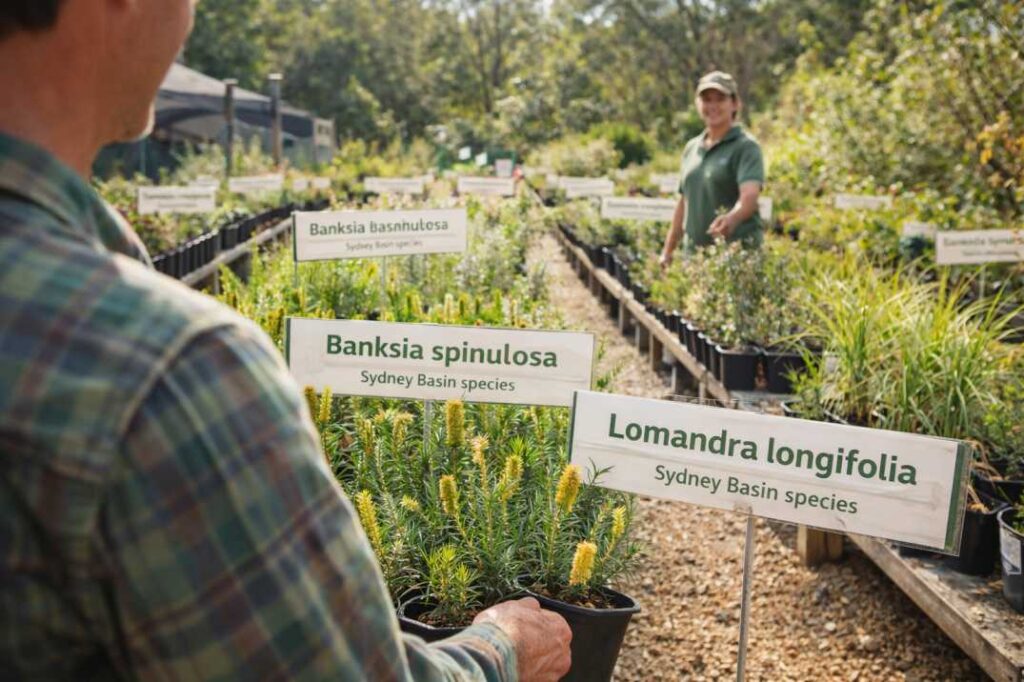
- Ignoring the Ultimate Resource: Your local native nursery is a treasure trove. The staff have hands-on experience with what works in your exact area. Support them!
Frequently Asked Questions
Q: Where is the best place to buy local native plants?
A: A specialist local native nursery is your gold standard. Their plants are often propagated from local seed stock and they offer expert advice. Your local council may also have community nurseries.
Q: Can I use native plants in a small courtyard or balcony?
A: Absolutely! Many natives are perfect for pots. Look for dwarf or prostrate varieties of grevilleas, banksias, and correas. Just ensure the pot is large enough and has excellent drainage. For more ideas, see our piece on small space gardening.
Q: Do native gardens attract snakes?
A: Snakes are attracted to shelter and food (like rodents). A tidy garden with clean mulch, no piles of rubbish, and a well-maintained lawn perimeter is less attractive to rodents and therefore snakes. Dense groundcovers can provide shelter, so consider their placement near paths and houses.
Q: Are native plants fire-resistant?
A: Some are, but many are not. Plants with high oil content (like many eucalypts and tea trees) can be more flammable. For bushfire-prone areas, seek specific advice from your local fire authority and choose plants with low oil content, high moisture, and smooth leaves.
Q: My native plant looks sick. What do I do?
A: First, check your watering. Is the soil too wet or too dry? Check for pests like scale or borers. If in doubt, take a clear photo of the whole plant and a close-up of the problem to your local nursery for diagnosis. Resources like the Australian Native Plants Society can also be helpful.
Your Next Step: Making It Real
This guide is your starting map. Your mission now is simple:
- Observe your garden for a week (sun, soil, space).
- Visit your closest local native nursery. Take this guide, take photos of your space.
- Choose just 2-3 plants to start with. Maybe a local grevillea for the birds, a tough groundcover for a tricky slope, and a small tree for future shade.
- Plant them this autumn—it’s the ideal season across most of Australia.
Creating a garden with native plants Australia by state is the most rewarding journey. You’re not just gardening; you’re restoring a piece of local ecosystem, creating a sanctuary for wildlife, and building a beautiful, resilient space that tells the true story of your corner of this ancient land.
Start small. Start local. The adventure begins right outside your door.
4 thoughts on “Native plants Australia by state: Attract Wildlife and Save Water (2026)”