Let’s have a real chat. You want a nice backyard. A place for the kids to play, for you to unwind with a cuppa, maybe even grow a tomato that actually tastes like a tomato. But between the water restrictions, the scorching summers, and the sheer cost of… well, everything, it feels hard. Hard to keep it alive, let alone make it “sustainable.”
I get it. I’ve killed my fair share of plants and watched good water (and money) run down the drain.
But here’s the good news: creating a sustainable backyard in Australia isn’t about installing a thousand-dollar permaculture system or becoming a zero-waste warrior overnight. It’s about clever, thrifty habits. It’s about working smarter with what we’ve got – our sun, our space, and our unique environment.
These backyard sustainability tips Australia are the real deal. They’re what I’ve learned from my own mistakes, from chatting to old-timers at the nursery, and from just giving things a burl in my own patch. They’ll save you money, attract amazing wildlife, and give you that deep-down satisfaction of doing a little good.
Ready? Let’s stop just keeping the garden alive and start helping it thrive.
Table of Contents
1. Catch Every Drop: Be a Water Squirrel, Not a Water Hose
We Aussies know drought like the back of our hand. The first rule of backyard sustainability tips Australia here is simple: hoard water like a boss. You can check our Smart Water Wise Gardening Australia Tips for a Thriving Backyard for more information related to this.
Yeah, a big rainwater tank is the dream. It’s a game-changer. Connecting it to your loo or laundry can save a staggering amount of mains water. But let’s be practical. They’re not cheap, and not all of us have the space.
So, start small. Be a water squirrel.
- That old wheelie bin you never use? Stick it under a downpipe. Boom – instant 240-litre tank.
- Got kids’ paddling pool water at the end of the day? Don’t tip it out! Bucket it onto the garden.
- When you’re waiting for the shower to get hot, catch that cold water in a bucket. It’s pure, it’s free, and your plants will guzzle it.
My favourite tiny hack? The shower bucket. It sits in the corner of my shower. You’d be shocked how much you collect in a week. It’s perfect for the pot plants on the porch. This isn’t just a tip; it’s a mindset shift. Every drop has value. The Australian Government’s Water rating site has a great calculator to show you just how much a proper tank can save you – it’s motivating stuff.
2. Your Compost Bin: The Beating Heart of the Garden
Right, let’s talk about your kitchen bin, which is another crucial backyard sustainability tips Australia. All those veggie peels, tea bags, and coffee grounds? That’s not rubbish. That’s the secret sauce. Sending it to a landfill is a tragedy – it gets buried and produces methane, a nasty greenhouse gas.
Composting is the ultimate circle of life in your backyard. You feed the compost, and it feeds your garden. It’s not science; it’s just letting nature do its thing.
Here’s my no-fuss method:
- Get a bin. Any old lidded plastic tub with holes poked in it will do to start. Don’t overthink it.
- Layer it. Throw in your food scraps (the “greens”). Then cover them with a handful of dry leaves, torn-up egg cartons, or a bit of soil (the “browns”). This stops it from getting smelly and slimy.
- Forget about it. Come back in a few months. It will have turned into this beautiful, crumbly, sweet-smelling stuff that makes your soil sing.
Feeling fancy? Get a worm farm. They’re brilliant for units or small yards. Worms are the quiet, efficient workers of the sustainability world. They’ll give you worm tea – liquid gold for plants. I swear by it for my tomatoes.
3. Plant a Pub, Not Just a Garden
This is my favourite backyard sustainability tips. A sustainable garden shouldn’t be a silent, green museum. It should be buzzing, fluttering, and full of life. You want birds, native bees, butterflies, and lizards. They’re not just pretty to watch; they’re your pest control and pollination squad.
How do you get them? You plant a pub. You offer food, water, and shelter.
Food: This is where native plants are absolute rockstars. A Grevillea is like an all-day buffet for lorikeets and honeyeaters. A Lomandra grass provides seeds for small birds. Kangaroo Paw is a favourite for our native bees. Head to your local native nursery – the folks there know what works in your specific area and will point you to the wildlife magnets.
Shelter: Dense, prickly shrubs like Hakeas are safe nesting sites for small birds. A simple rock pile in a sunny spot is a 5-star lizard hotel.
Water: A shallow dish with a few stones in it (so bees don’t drown) is a lifesaver in summer. Just top it up every few days.
4. Break Up with Chemicals (It’s Not You, It’s Them)
We’ve been sold a lie that we need a chemical for every bug and a blue powder for every plant. It’s exhausting and expensive, and it wrecks the delicate balance of your backyard ecosystem.
Going natural is easier. Promise.
- See aphids on your roses? Blast them off with a jet of water from the hose. Or make a spray with a few drops of dish soap in water.
- Companion planting is your friend. Plant marigolds near your tomatoes to help deter nematodes. Basil near tomatoes is said to improve their flavour and repel flies.
- The best defence is a healthy plant. And a healthy plant comes from good soil (see tip #2!). A plant struggling in poor dirt is a beacon for pests.
When you stop spraying, you’ll notice the good guys return. Ladybirds arrive to feast on aphids. Birds hop around looking for caterpillars. You become a manager, not a soldier in a chemical war.
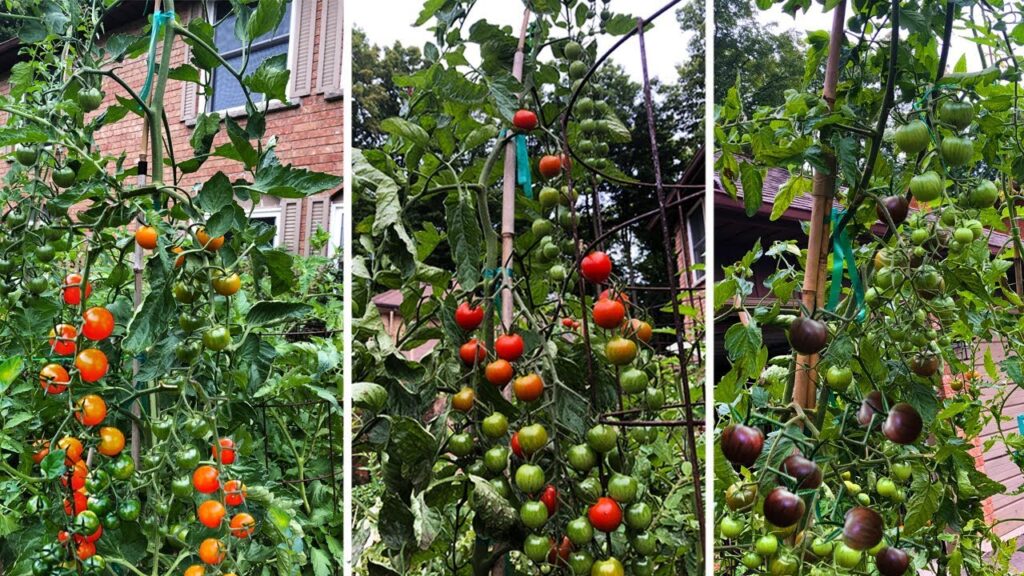
5. Grow Something You Can Eat (The Ultimate Win)
There is no feeling more fundamentally satisfying than eating something you grew. It connects you to your patch in a way flowers never can. Plus, you slash food miles, plastic packaging, and you know exactly what’s gone into it.
Start stupidly simple. Don’t try to feed your family of four. Just grow a herb pot. Snip fresh basil for your pasta. Grab a sprig of rosemary for your roast. The flavour is light-years ahead of the sad, plastic-wrapped supermarket stuff.
Once you get a taste (literally), try a cherry tomato plant in a pot, or some lettuce in a planter box. Radishes grow in about 4 weeks – instant gratification! If you’re ready for a bed, our guide on [starting your first veggie patch without the overwhelm] breaks it down into simple, bite-sized steps.
The secret? Grow what you love to eat. If no one likes beetroot, don’t grow it!
6. Let the Sun Do the Work
We have more sun than we know what to do with some days. So why not put it to work?
Solar lights have come a long way. You can get lovely, subtle ones for path edges that charge all day and glow all night, costing you nothing to run. No cables, no tricky wiring.
Thinking of a small water feature? Look for a solar-powered pump kit. It’s a closed, guilt-free loop: sun powers the pump, pump moves the water, you enjoy the soothing sound.
It’s these small, off-grid wins that make your backyard feel clever and self-sufficient.
7. Buy Things That Last (And Have a Story)
Our last but not least backyard sustainability tips Australia is When you need a new garden bench, a planter box, or some mulch, pause for a second. Think about where it came from.
That cheap, treated-pine furniture might only last a few summers before it warps and splits. Instead, could you find something made from recycled plastic? It lasts forever, never needs painting, and gives plastic waste a new life. Or look for second-hand wrought iron or solid timber – things with character and history.
For garden beds and paths, reclaimed materials are full of soul. Old bricks from a demolition site, broken concrete (“urbanite”) for stepping stones, even reused railway sleepers (make sure they’re not oozing old creosote!).
Choosing better materials might cost a bit more upfront, but it lasts decades. It’s the opposite of our throwaway culture, and it makes your backyard feel truly grounded.
The Bottom Line? Just Start.
Look, don’t look at this list and feel like you have to do all seven things by next Tuesday. That’s a recipe for giving up.
Pick one. Just one thing that feels doable.
Maybe it’s getting a bucket for the shower. Maybe it’s buying one native plant this weekend. Maybe it’s finally setting up that compost bin that’s been sitting in the shed for a year.
Do that one thing. Nail it. Enjoy the win. Then, in a month or two, come back and pick another.
That’s how real, lasting backyard sustainability Australia style happens. Not with a grand plan, but with a series of small, smart choices. Each one makes your patch a little greener, a little cheaper to run, and a whole lot more alive.
Your backyard – and the planet – will thank you for it.