
Table of Contents
Let’s be honest. Gardening in Australia can be tough. The sun beats down. The rain doesn’t always come. And water restrictions can pop up when you least expect them. But don’t let that stop you from having a beautiful, green space.
That’s where Water Wise gardening Australia practices come in. It’s not about giving up on your garden. It’s about working smarter with what we have. A Water Wise garden saves you money, time, and our most precious resource: water.
The best part? A Water Wise garden is often a healthier, more vibrant garden. Plants that are suited to our conditions are happier. They fight off pests better and need less fussing over. It’s a win for you and the environment.
Ready to get started? Here are 5 simple steps to transform your patch into a true Water Wise gardening Australia success story.
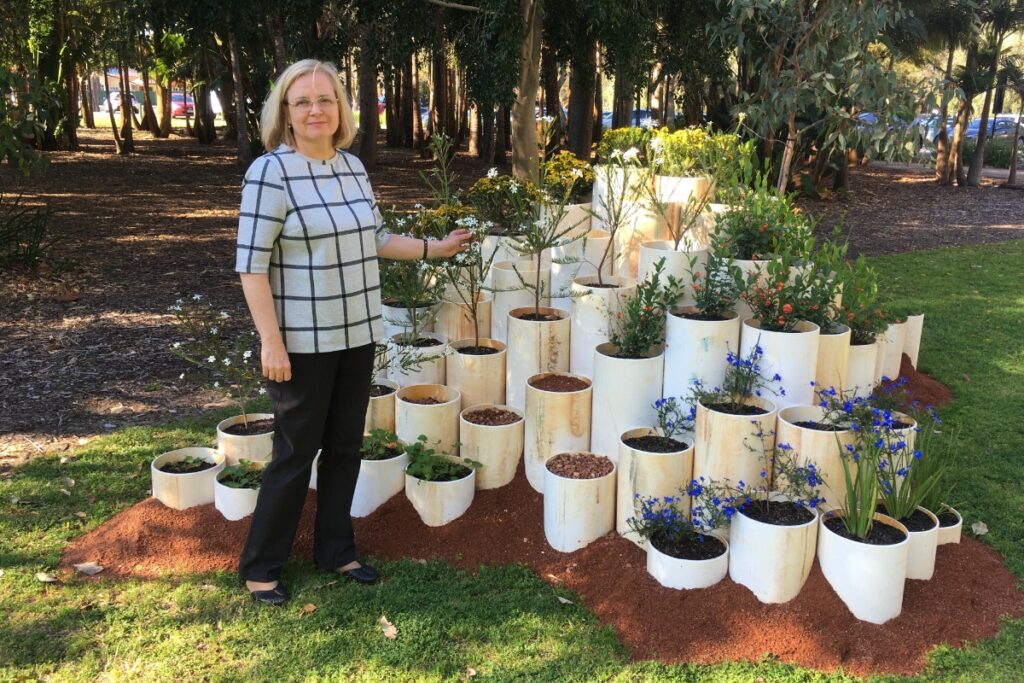
Step 1: Get to Know Your Soil (It’s a Sponge!)
Think of your soil as a big sponge. Sandy soil is like a sieve – water runs right through it. Clay soil is like a brick – water sits on top and then runs off.
Your first Water Wise job is to fix your sponge.
For sandy soil, you need to help it hold onto water. Mix in lots of organic matter. Compost is your best friend here. You can buy it in bags or start your own compost bin. It’s like giving your soil a water-storing superpower.
For heavy clay soil, you also need organic matter. This time, it’s to create tiny channels and break up the hard layers. This lets water soak in deep, right to the roots where plants need it.
A simple trick? After you water, push a stick into the soil. If it’s hard to push, your soil needs more help. Good soil is the absolute foundation of any Water Wise gardening Australia plan.
Step 2: Choose the Right Plants (Local Legends are Best)
This is the golden rule of Water Wise gardening. The right plant in the right place will thrive with hardly any extra water.
What are the right plants? Australian natives are the obvious champions. Grevilleas, kangaroo paws, and emu bushes are built for our climate. Their roots go deep, and their leaves are often tough, reducing water loss.
But it’s not just natives. Think “Mediterranean.” Plants from places like South Africa and the Mediterranean are also great at handling dry summers. Lavender, rosemary, and olive trees are all fantastic Water Wise choices.
A great resource is your local council website or a nearby native nursery. They can tell you exactly what works in your specific area. Group thirsty plants together in one spot, and keep your dry-loving heroes in another. This is called “hydrozoning,” and it’s a game-changer.
Step 3: Mulch, Mulch, and Then Mulch Some More
If I could give only one Water Wise gardening Australia tip, it would be this: MULCH.
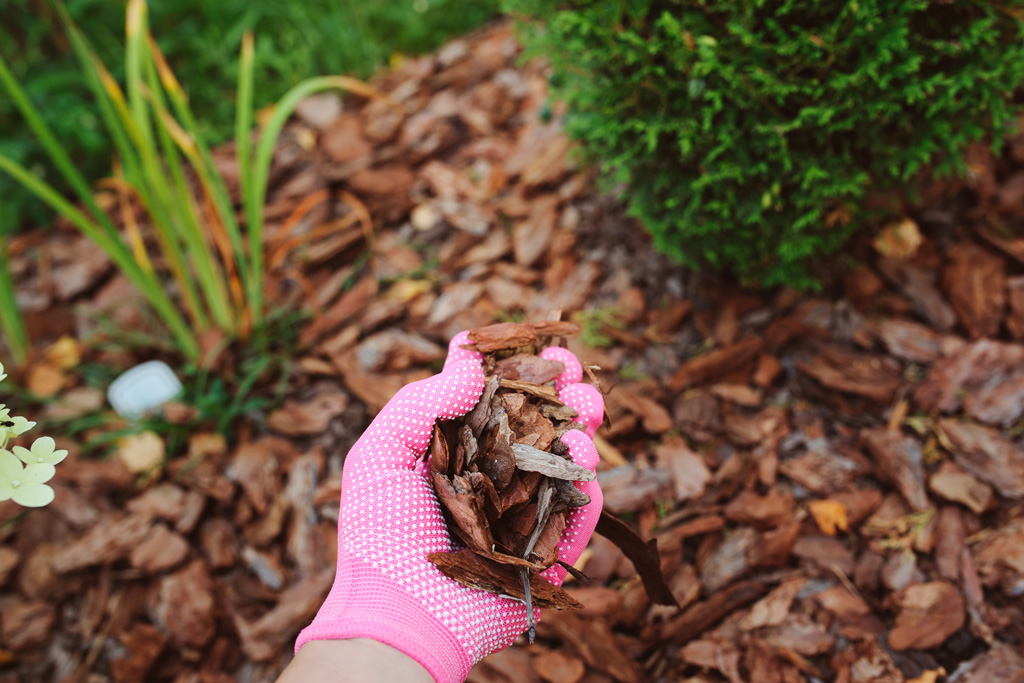
A thick layer of mulch (about 5-7cm) is like a blanket for your soil. Here’s what it does:
- Stops water evaporating from the soil surface.
- Keeps the soil cooler on hot days.
- Stops weeds from growing and stealing water from your plants.
- Breaks down over time to feed your soil.
Use organic mulches like wood chips, sugar cane mulch, or pea straw. They work the best. Just remember to keep the mulch a little away from the stems of your plants to prevent rot.
Step 4: Water Deeply, But Not Often
This one changes how you think about watering. Most of us sprinkle a little water every day. For a Water Wise garden, that’s the worst thing you can do.
Shallow watering makes roots lazy. They stay near the surface where it’s hot and dries out fast. You want to encourage deep roots.
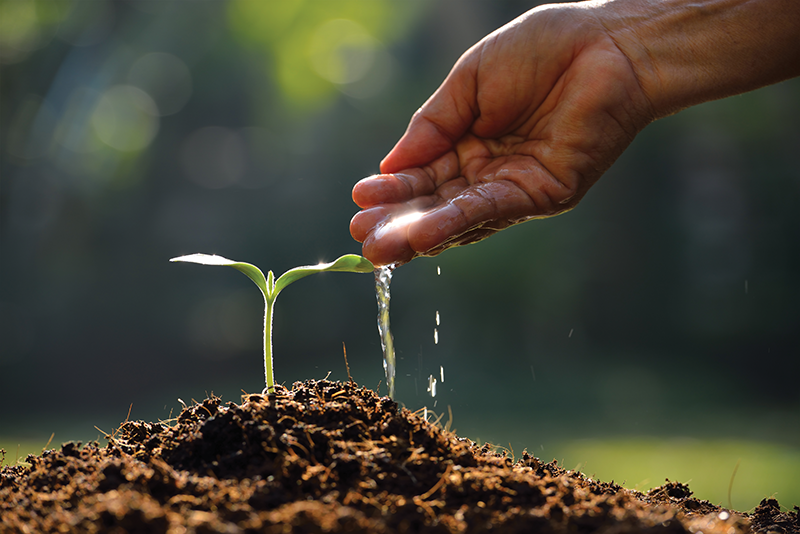
So, water deeply and less frequently. Give your garden a really good, long drink. Then, let the soil dry out quite a bit before watering again. This teaches the roots to go down deep, searching for moisture. Deep roots make for a tough, drought-resistant plant.
The best time to water is early in the morning. It’s cool, there’s no wind, and the water has time to soak in before the sun gets hot. Watering in the evening can sometimes lead to fungal problems.
Step 5: Be Smart with Your Systems
How you deliver water matters almost as much as how much you give.
- Ditch the Sprinkler: They waste so much water to evaporation and wind. If you must use one, do it very early in the morning.
- Love Your Soaker Hose: This is a porous hose that “sweats” water along its length. Lay it under your mulch, and it waters the soil directly, not the leaves. It’s incredibly efficient.
- Consider Drip Irrigation: This is the top tier of Water Wise watering. Tiny drippers deliver water drop-by-drop right to the root zone of each plant. You can even hook it up to a timer and a rainwater tank. The team at Irrigation Australia has great beginner guides on setting up simple systems.
- Install a Rainwater Tank: This is the ultimate move. Catching water from your roof to use on your garden is the perfect cycle. Your plants will love rainwater, and you’ll love the lower water bills. Check out the Australian Government’s water-saving rebates to see if there’s financial help in your state for installing a tank.
Your Garden, But More Resilient
Water Wise gardening Australia isn’t a special style. It’s just common-sense gardening for our beautiful, sometimes harsh country. It’s about choosing tough plants, preparing your soil, and using water wisely.
Start small. Pick one of these steps to try this weekend. Maybe buy a native plant you’ve never grown before. Or pile mulch on one garden bed. Every little bit helps.
A Water Wise garden is a alive. It buzzes with bees and birds. It survives the heatwave when others wilt. And it gives you that deep satisfaction of knowing you’re doing your bit.
For more ideas on plants that will work in your specific backyard, explore our guide on [creating a native garden sanctuary]. It’s the perfect next step on your Water Wise journey.
Now, grab your hat, and let’s get gardening—the Water Wise way!
3 thoughts on “5 Smart Water Wise Gardening Australia Tips for a Thriving Backyard”