
Table of Contents
Creating a sustainable backyard is one of the most rewarding steps you can take toward a healthier lifestyle and a greener future. For beginners, the idea of sustainability can sometimes feel overwhelming. Many people imagine expensive systems, advanced gardening skills, or large properties. In reality, a sustainable backyard starts with small, thoughtful decisions that anyone can make, regardless of experience or space.
This Sustainable Backyard Ideas guide is written especially for beginners who want practical, realistic, and achievable sustainable backyard ideas. Whether you live in a suburban Australian home, have a small backyard, or are just starting to explore eco-friendly living, this article will help you build a backyard that works with nature rather than against it.
What Is a Sustainable Backyard?
A sustainable backyard is an outdoor space designed to reduce environmental impact while supporting long-term plant health, wildlife, and efficient use of resources. It focuses on balance rather than perfection.
A sustainable backyard usually includes:
- Water-wise gardening practices
- Healthy, living soil
- Native or climate-appropriate plants
- Reduced waste through composting
- Minimal use of chemicals
- Support for birds, bees, and insects
For beginners, sustainability is not about doing everything at once. It is about learning, observing, and improving over time.

Why Beginners Should Create a Sustainable Backyard
Starting a sustainable backyard offers benefits that go far beyond environmental responsibility.
You may notice:
- Lower water and energy bills
- Healthier plants that require less maintenance
- Fresh, home-grown food
- Reduced household waste
- Improved mental wellbeing
- A stronger connection to nature
For beginners, the biggest benefit is confidence. As your backyard improves, so does your understanding of how nature works.
Start by Observing Your Backyard
Before planting or buying supplies, take time to observe your backyard. This step is often skipped by beginners, but it is one of the most important.
Notice:
- Where sunlight falls during the day
- Which areas stay shaded
- How water drains after rain
- Which spots dry out quickly
- Existing plants that are thriving
Understanding these natural patterns helps you choose the right plants and systems, saving time, money, and frustration.
Improve Soil Health Naturally
Healthy soil is the foundation of every sustainable backyard. Soil is not just dirt, it is a living ecosystem full of microorganisms that support plant growth.
Simple Ways to Improve Soil for Beginners
- Add compost regularly
- Apply organic mulch
- Avoid over-digging
- Leave fallen leaves to decompose
- Avoid chemical fertilisers
Australian soils are often low in organic matter, which makes composting and mulching especially important.
Over time, healthy soil becomes darker, softer, and better at holding moisture, reducing the need for frequent watering.
Choose Native and Climate-Friendly Plants
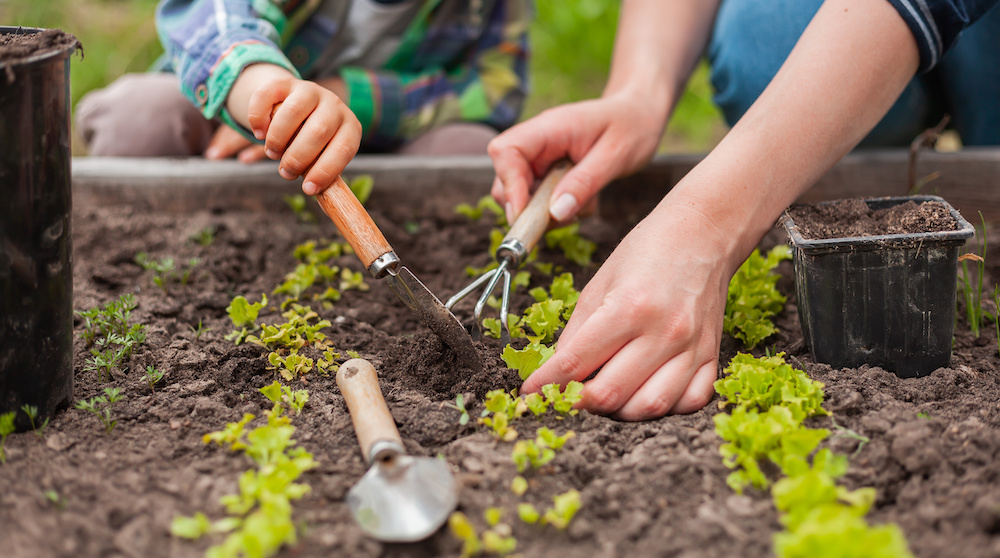
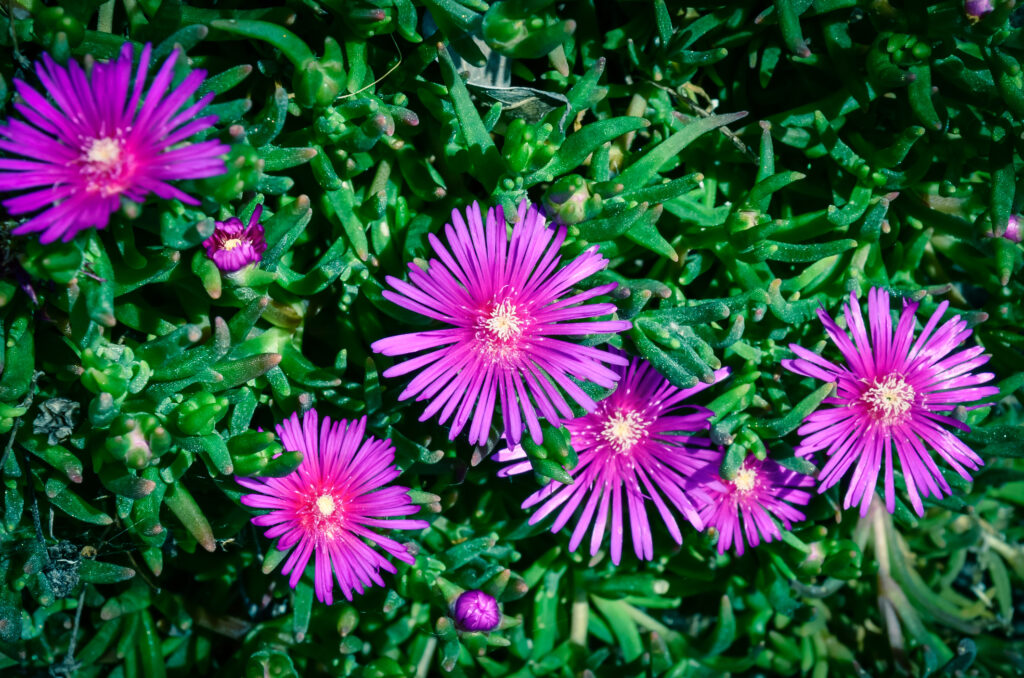
One of the easiest sustainable backyard ideas for beginners is choosing the right plants from the start.
Why Native Plants Are Ideal for Beginners
Native plants are adapted to local Australian conditions. This means they:
- Use less water
- Need less fertiliser
- Resist pests naturally
- Survive heat and drought better
- Support native wildlife
Beginner-Friendly Native Plants
Some easy Australian native plants include:
- Kangaroo paw
- Grevillea
- Bottlebrush
- Lomandra
- Native grasses
These plants provide colour, structure, and habitat with minimal effort.
Use Mulch to Save Water and Protect Plants
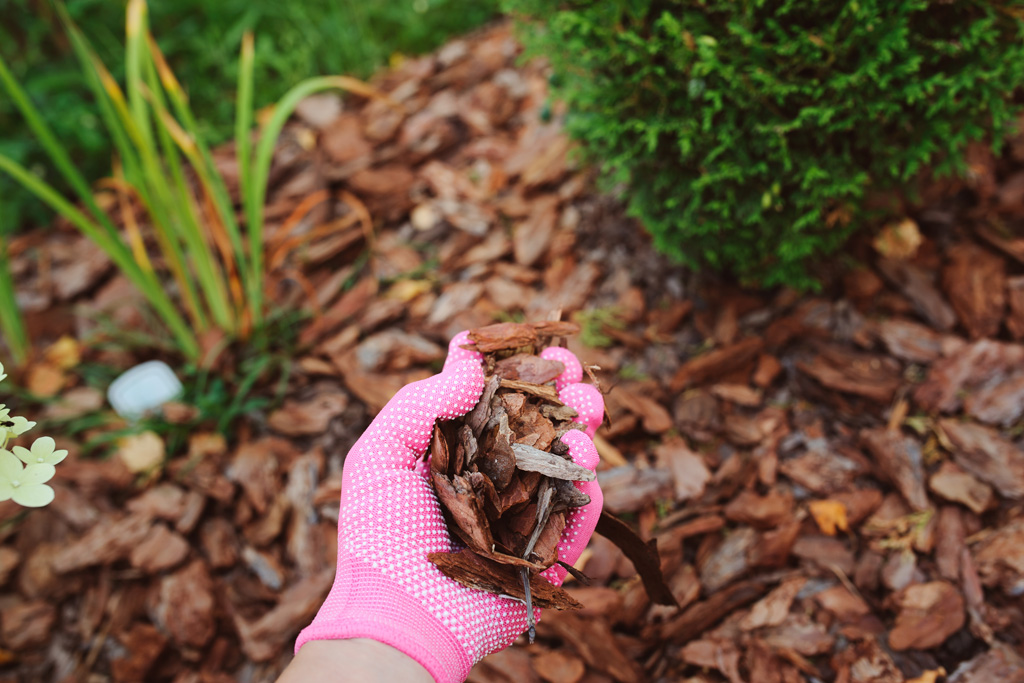
Mulch is one of the simplest and most effective tools for sustainability.
Benefits of Mulching
- Reduces evaporation
- Keeps soil cool
- Prevents weed growth
- Improves soil quality over time
Organic mulch options like sugarcane mulch, straw, or bark chips are affordable and widely available.
Apply mulch generously around plants, leaving a small gap around stems to prevent rot.
Practice Water-Wise Gardening
Water conservation is essential in Australia, making it a key part of sustainable backyard design.
Simple Water-Saving Habits
- Water early in the morning or late afternoon
- Water deeply but less frequently
- Avoid watering during hot, windy conditions
Collect and Reuse Water
Even a small rainwater barrel can make a difference. Rainwater is free, untreated, and ideal for plants.
Using watering cans, drip irrigation, or soaker hoses delivers water directly to plant roots, reducing waste.
Grow Your Own Food the Easy Way
Growing food at home is both sustainable and satisfying, even for beginners.
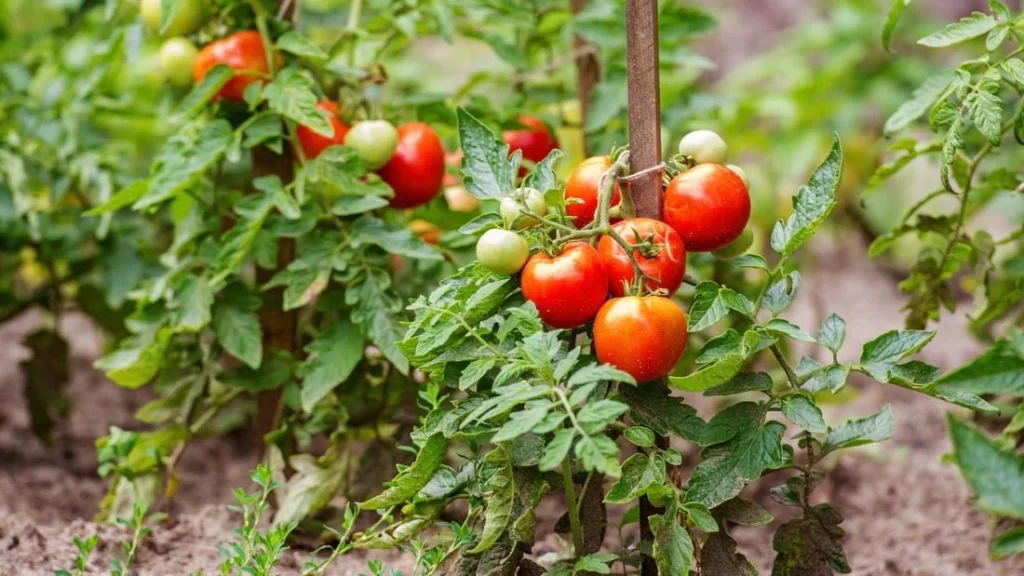
Best Vegetables for Beginners
Start with fast-growing, forgiving plants such as:
- Lettuce
- Spinach
- Tomatoes
- Zucchini
- Beans
These plants provide quick results and help beginners stay motivated.
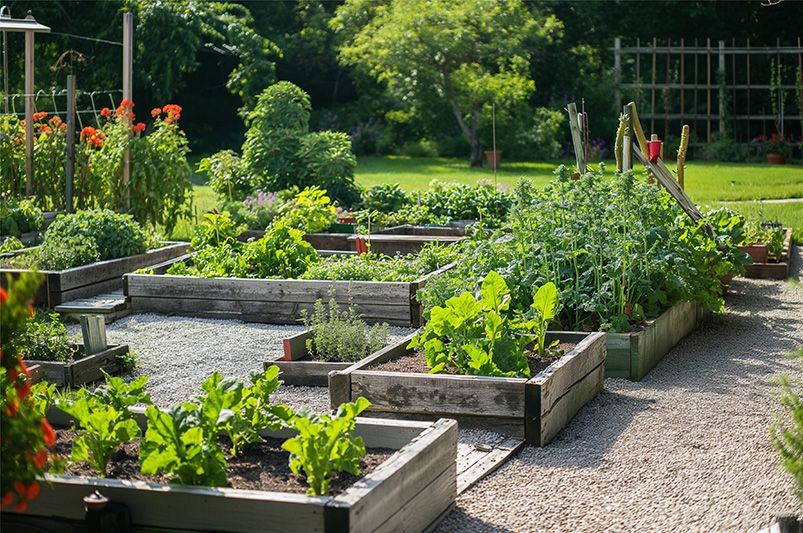
Raised Garden Beds for Beginners
Raised beds are excellent for beginners because they:
- Improve drainage
- Allow better soil control
- Reduce physical strain
- Use water more efficiently
They are also suitable for small backyards and poor soil conditions.
Start Composting to Reduce Waste
Composting turns kitchen and garden waste into valuable nutrients for your soil.
What Beginners Can Compost
- Vegetable scraps
- Fruit peels
- Coffee grounds
- Eggshells
- Garden clippings
Avoid meat, dairy, and oily foods.
Composting Options for Beginners
- Traditional compost bins
- Worm farms
- Bokashi systems
Worm farms are especially suitable for small backyards and beginners due to their simplicity.
Avoid Chemicals and Garden Naturally
Chemical fertilisers and pesticides damage soil life and harm beneficial insects. Beginners often use them too quickly.
Natural Gardening Alternatives
- Compost and worm castings
- Mulching for weed control
- Companion planting
- Encouraging beneficial insects
Healthy ecosystems naturally balance pests over time.
Use Companion Planting to Support Growth
Companion planting involves growing certain plants together so they help each other.
Benefits of Companion Planting
- Reduces pests
- Improves soil nutrients
- Attracts pollinators
- Maximises garden space
Easy Companion Planting Examples
- Tomatoes with basil
- Lettuce with carrots
- Beans with corn
- Marigolds near vegetables
This technique is ideal for beginners because it requires no extra cost.
Support Birds, Bees, and Beneficial Insects
A sustainable backyard supports wildlife, which in turn supports your garden.
Simple Ways to Attract Wildlife
- Plant flowering natives
- Provide shallow water dishes
- Avoid chemicals
- Leave some natural areas undisturbed
Birds and insects help control pests and pollinate plants naturally.
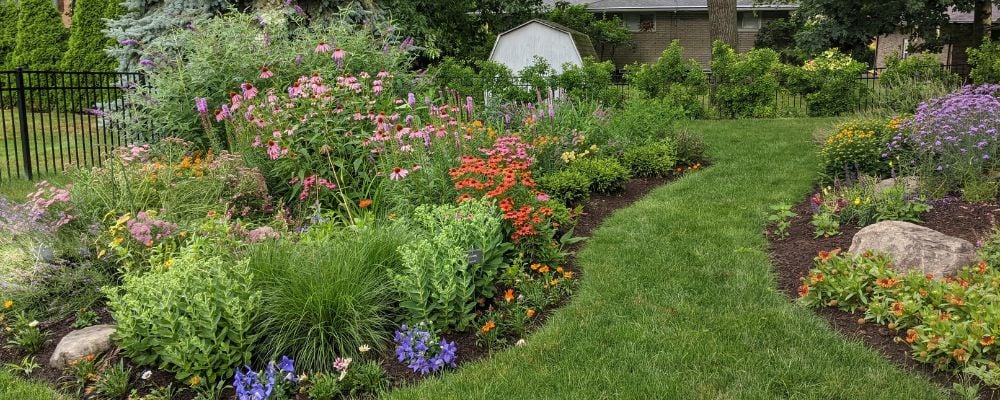
Reduce Lawn Area for Sustainability
Traditional lawns require high water use and maintenance.
Sustainable Lawn Alternatives
- Native ground covers
- Vegetable beds
- Mulched garden areas
- Wildflower patches
Reducing lawn size saves water, time, and effort.
Sustainable Backyard Ideas for Small Spaces
Sustainability is possible even in small backyards.
Small-Space Ideas
- Vertical gardens
- Hanging planters
- Herb pots
- Stackable compost bins
Even balconies and courtyards can support sustainable practices.
Sustainable Backyard Ideas for Renters
Renters can still build sustainable backyards without permanent changes.
Renter-Friendly Options
- Portable raised beds
- Pots and containers
- Worm farms
- Movable rainwater barrels
These options allow flexibility and easy relocation.
Use Solar and Energy-Efficient Features
Energy use is part of backyard sustainability.
Beginner-Friendly Solar Ideas
- Solar garden lights
- Solar pathway lighting
- Solar water features
These reduce electricity use and require no wiring.
Reuse and Recycle Materials in the Backyard
Sustainability is closely linked to waste reduction.
Reuse Ideas
- Old containers as plant pots
- Pallets for garden beds
- Recycled bricks for pathways
Reusing materials saves money and reduces landfill waste.
Seasonal Gardening Tips for Beginners
Understanding seasons improves success.
Summer Tips
- Mulch heavily
- Provide shade
- Water deeply
- Choose heat-tolerant plants
Winter Tips
- Grow leafy greens
- Reduce watering
- Protect young plants from frost
- Improve soil with compost
Seasonal awareness helps plants thrive naturally.
Maintain Your Sustainable Backyard Over Time
Sustainability is built through habits.
Simple Maintenance Practices
- Observe plants weekly
- Replace mulch when needed
- Add compost regularly
- Adjust watering seasonally
Observation helps prevent problems early.
Mental and Health Benefits of Sustainable Backyards
A sustainable backyard supports emotional wellbeing.
Gardening offers:
- Stress reduction
- Gentle physical activity
- Mindfulness
- A sense of purpose
Spending time outdoors improves overall quality of life.
Teaching Sustainability Through the Backyard
Backyards are powerful learning spaces.
Ways to Involve Children
- Let them plant seeds
- Teach composting basics
- Observe insects together
- Grow simple vegetables
These experiences build lifelong environmental awareness.
Measuring Progress as a Beginner
Sustainability is about improvement, not perfection.
Signs of progress include:
- Healthier plants
- Improved soil texture
- More birds and insects
- Reduced water use
- Less household waste
Every small success matters.
Long-Term Sustainable Backyard Goals
As beginners gain confidence, future goals may include:
- Installing rainwater tanks
- Expanding food production
- Creating wildlife habitats
- Adding solar features
Each step builds on the last.
Final Thoughts
Sustainable backyard ideas for beginners are about patience, curiosity, and small consistent actions. You do not need expert knowledge or expensive tools to begin. By working with nature, observing your space, and choosing simple, thoughtful solutions, anyone can create a sustainable backyard.
A sustainable backyard grows alongside you. Every plant, every compost bin, and every water-saving habit contributes to a healthier environment and a more balanced way of living.
2 thoughts on “Sustainable Backyard Ideas for Beginners (A Simple, Practical Guide)”