
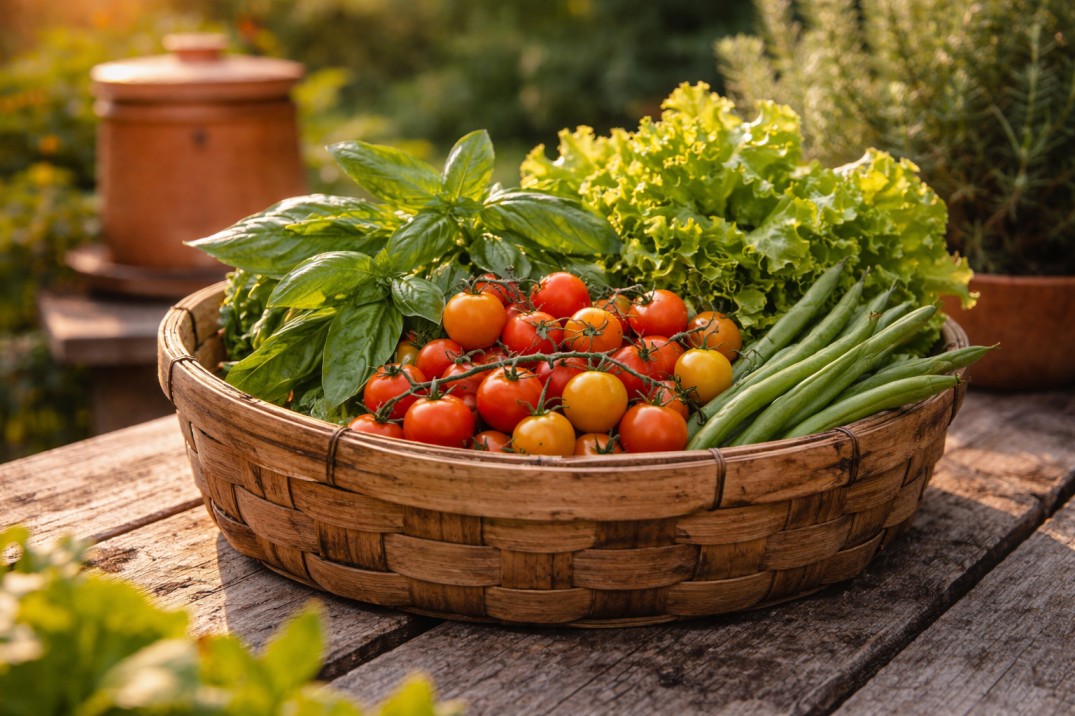
Have you ever bitten into a supermarket strawberry and felt nothing? That bland, watery disappointment is what started my journey. I wanted the taste of my childhood tomatoes that exploded with summer, basil that actually smelled, and the deep satisfaction of knowing my food was clean. That’s the real promise of an organic gardening Australia backyard. It’s not a trend; it’s a homecoming.
Let’s be honest, though. Starting an organic garden in Australia can feel daunting. Our sun is fierce, our soils are often tough, and the bugs seem to have a personal vendetta against anything we plant. I’ve been there. I’ve watched cabbage moths decimate my broccoli and seen seedlings wilt in the heat. I thought I needed a chemistry set to keep up.
But I’ve discovered a beautiful secret: organic gardening Australia backyard success isn’t about complicated potions. It’s about simplicity. It’s about stepping back and letting nature do a lot of the heavy lifting. It’s about becoming a partner in your garden’s ecosystem, not its overlord. This guide will walk you through seven clear, practical steps to make that partnership flourish. We’ll talk dirt, bugs, and resilience, all to help you grow food that’s not just safe, but spectacular.
Table of Contents
What Does “Organic Gardening” Truly Feel Like in Your Backyard?
Let’s move past the textbook definition. What does an organic gardening Australia backyard actually feel like on a Tuesday afternoon?
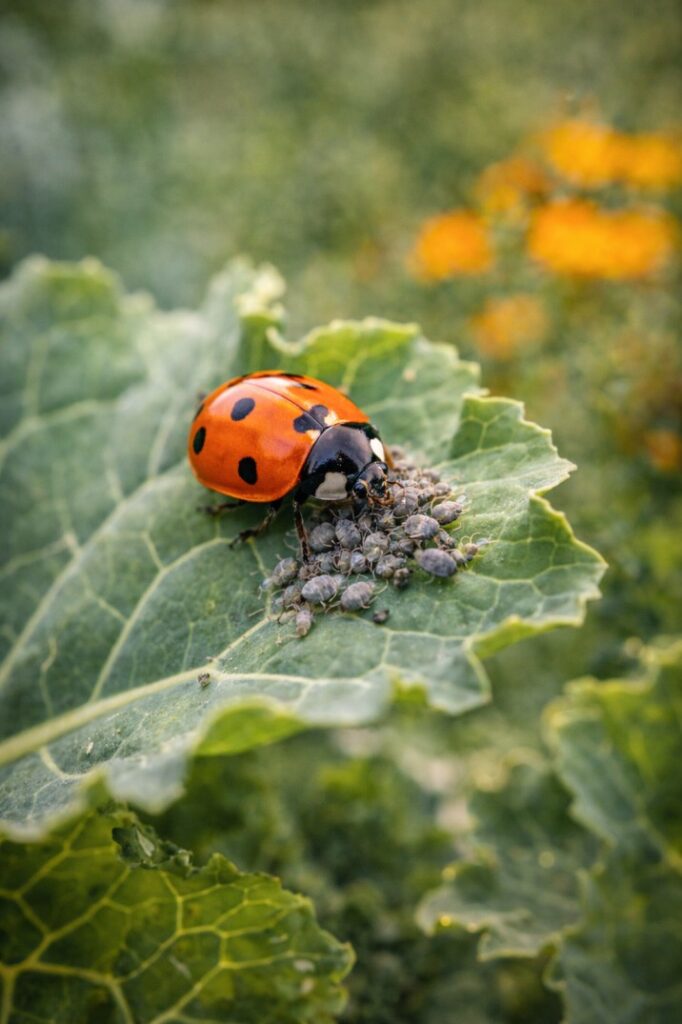
It’s the crumbly, sweet-smelling handful of soil you sift through your fingers. It’s the quiet pride of watching a ladybird larva (it looks like a tiny alligator!) munching through your aphid problem. It’s the unbeatable flavour of a carrot you just pulled from the earth, brushed off on your jeans, and crunched into. It’s about connection. You’re not just growing food; you’re nurturing an entire living world right outside your door, and it nurtures you back.
Step 1: Build Your Living Soil – The Heartbeat of Your Garden
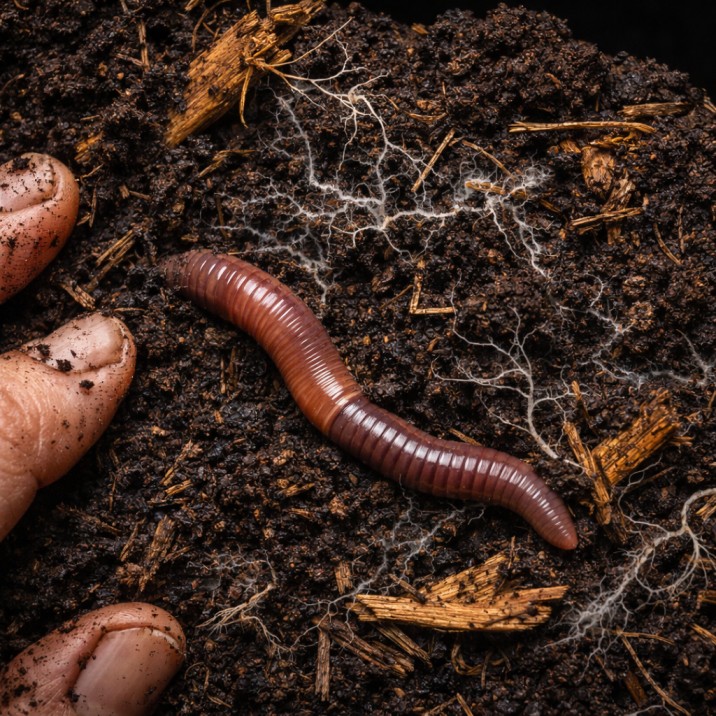
In an organic gardening Australia backyard, the soil isn’t dirt. It’s a bustling city. Billions of bacteria, fungi, worms, and microbes are down there, and they’re the real workforce. Your job is to be the mayor, making sure this city is well-fed and happy.
- Start a Compost System – Your Free Nutrient Factory: This is non-negotiable. Composting is the ultimate act of an organic gardening Australia backyard. You’re taking waste kitchen scraps, leaves, grass clippings and transforming it into the most valuable substance in your garden: black gold. This rich compost is alive. It feeds the soil food web, improves structure so roots can breathe and drink, and releases nutrients slowly to your plants. If the idea of starting is the hurdle, our guide on compost bin vs worm farm Australia breaks down the easiest ways to begin.
- Feed with Natural Fertilisers, Not Chemicals: Synthetic fertilisers are like fast food for plants, a quick, artificial high that can harm soil life. In your organic gardening Australia backyard, you serve a wholesome, slow-cooked meal. Use:
- Well-rotted manure (it should smell like a forest floor, not a farmyard).
- Blood and bone for a steady nutrient release.
- Liquid seaweed solution – this is a wonder tonic. It doesn’t just feed; it helps plants handle heat, drought, and pests better.
- Mulch Like You Mean It: After you plant, smother your soil in a 7-10cm blanket of organic mulch. Straw, sugar cane, wood chips, it’s your garden’s superhero cape. It keeps the soil cool and moist in our hot sun, suppresses weeds so you don’t have to, and as it breaks down, it feeds the soil below. This is the single easiest way to care for your organic gardening Australia backyard.
Step 2: Pick Your Plant Partners Wisely
You wouldn’t wear a wool coat to the beach in Darwin. Don’t ask your plants to struggle in the wrong spot either. Choosing the right varieties for your organic gardening Australia backyard is like picking a good team, you want tough, resilient players.
- Begin with the “Easy Wins”: Build your confidence with plants that are naturally robust. Fantastic starters for your organic gardening Australia backyard include:
- Cherry Tomatoes: Prolific, sweet, and tough as old boots.
- Lettuce & Salad Greens: Grow fast, and you can pick leaves for weeks.
- Zucchini: Plant one. Just one. You’ll have enough to feed the street.
- Beans & Peas: These heroes actually pull nitrogen from the air and fix it in the soil, fertilising it for other plants.
- Hardy Herbs: Rosemary, thyme, oregano, and mint laugh at drought and pests.
- Choose “Open-Pollinated” or “Heirloom” Seeds: These seeds are the keepers of flavour and history. You can save seeds from your best plants each year, creating a line uniquely adapted to your garden’s specific conditions. It’s the ultimate self-reliance.
- Plant in Rhythm with Your Climate: Timing is everything. Planting heat-loving eggplants as winter hits is asking for trouble. Use a local planting guide. The free Gardenate website is an invaluable tool for any organic gardening Australia backyard enthusiast, just pop in your climate zone.
For the perfect, manageable start where you control the soil completely, building a DIY raised garden bed Australia is a brilliant weekend project.
Step 3: Water with Wisdom, Not Waste
Organic soil holds water beautifully, but how you deliver it is still a critical skill. It’s about health, not just hydration.
- The Deep Drink Rule: Water your organic gardening Australia backyard deeply and less often. A long, slow soak encourages roots to grow deep into the soil, searching for moisture. This creates incredibly resilient plants. A light daily sprinkle makes for shallow, weak roots that panic at the first sign of heat.
- Morning is Sacred Time: Always aim to water in the early morning. The soil is cool, so water soaks in deeply. The leaves have all day to dry, which is your best defence against fungal diseases like powdery mildew. Evening watering is an invitation for slugs and mildew to a dinner party at your plants’ expense.
- Target the Roots: Avoid watering the leaves. Use a watering can at the base of plants, a soaker hose snaked under your mulch, or a drip irrigation system. This delivers water right where it’s needed with almost no waste. This principle of conservation is core to a wider sustainable practice, much like the strategies in our guide on how to save water in your backyard.
Step 4: Recruit Your Garden’s Security Team (The Good Bugs)
This is where the magic of an organic gardening Australia backyard comes alive. You are not alone in this fight. Your best pest controllers are free and eager to work for room and board.
- Plant a Welcome Buffet: Beneficial insects like ladybirds, lacewings, and hoverflies need pollen and nectar, especially as adults. To attract them, you must feed them. Plant lots of small, open flowers:
- Alyssum, Dill, Fennel, Coriander, Yarrow, Marigolds.
- Let some of your parsley, basil, and carrots flower, they produce beautiful, insect-friendly blooms.
- Provide Bed & Breakfast: Give these allies a place to live and breed. A simple “insect hotel” made of bundled bamboo, drilled logs, or stacked terracotta pots offers shelter. A few flat stones in a sunny spot are perfect for lizards to warm up on—they’re fantastic slug and insect eaters.
- Practice Patient Observation: See a cluster of aphids? Don’t reach for a spray bottle. Wait. Watch. Often, within a week, you’ll see the ladybird larvae arrive. Your garden’s natural balance will kick in. Trust the process.
Step 5: Tackle Problems with Your Natural Toolkit
When a pest or disease issue does demand action, you have a whole cabinet of gentle, effective solutions that won’t harm your soil or helpers.
- The First and Best Solution: Your Hands. For larger pests, cabbage moth caterpillars, tomato hornworms, snails—the most effective method is often to go out at dusk with a torch and pick them off. Drop them into a bucket of soapy water. It’s immediate, targeted, and has zero side effects.
- Homemade Organic Sprays (For Sap-Suckers): For aphids, whitefly, or mites, a simple spray can help.
- Soap Spray: Mix 1-2 tablespoons of pure liquid castile soap (not detergent) with 1 litre of water. Spray directly on the pests. It breaks down their protective coating.
- Garlic/Chilli Spray: Blend two garlic bulbs and a couple of hot chillies with a litre of water. Strain, dilute, and spray as a strong repellent.
- Embrace the “Imperfectly Perfect” Leaf: In a vibrant organic gardening Australia backyard, some insect damage is a sign of life. It means your garden is part of the food web. A few holes in your kale aren’t failure; they’re a badge of honour. Focus on growing strong, healthy plants that can easily outgrow minor damage.
Step 6: Outsmart Problems with Smart Planting
The layout of your organic gardening Australia backyard is your first line of defence. A little strategy prevents a lot of trouble.
- Crop Rotation – Don’t Let Pests Get Comfortable: Never plant the same family of vegetables in the same bed year after year. Pests and diseases that love tomatoes, for example, will overwinter in the soil waiting for them. A simple 3 or 4-year rotation plan breaks their cycle. A classic rotation is: Legumes (beans/peas) -> Leafy Greens (lettuce/spinach) -> Fruiting (tomatoes/capsicums) -> Root (carrots/beetroot).
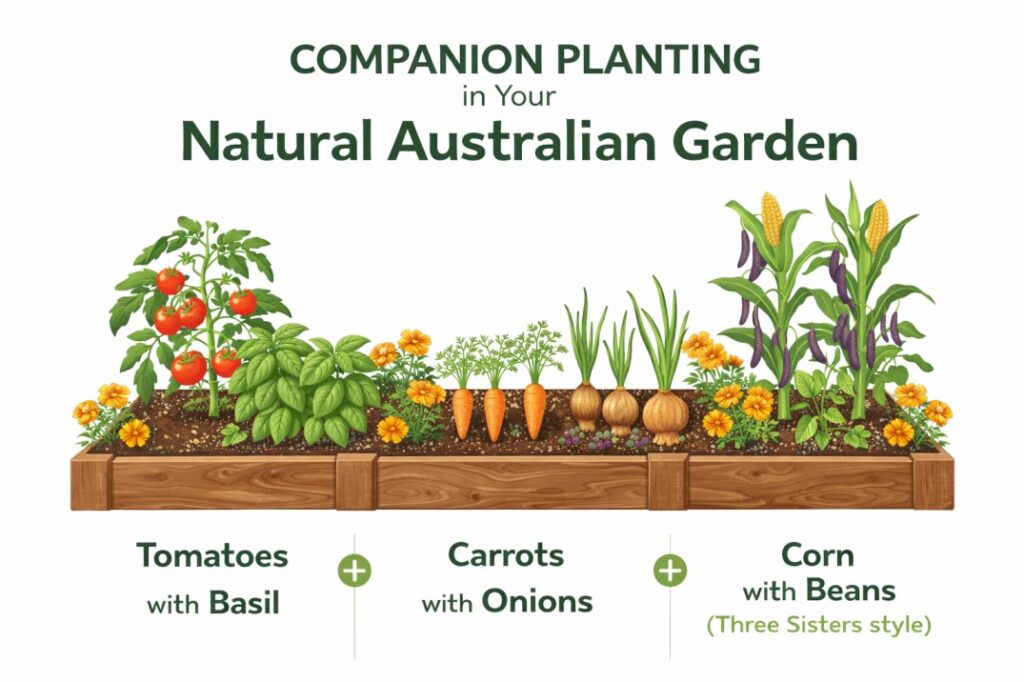
- Companion Planting – The Good Neighbour Policy: Some plants just help each other out.
- Plant basil with tomatoes; many swear it improves flavour and repels flies.
- French Marigolds release a substance from their roots that repels root-knot nematodes.
- Nasturtiums are the ultimate trap crop, luring aphids away from your precious beans and tomatoes.
Step 7: Close the Loop – The Ultimate Organic Act
True organic gardening Australia backyard mastery is about creating a closed loop. You strive to provide everything your garden needs from within itself, becoming more self-sufficient with each season.
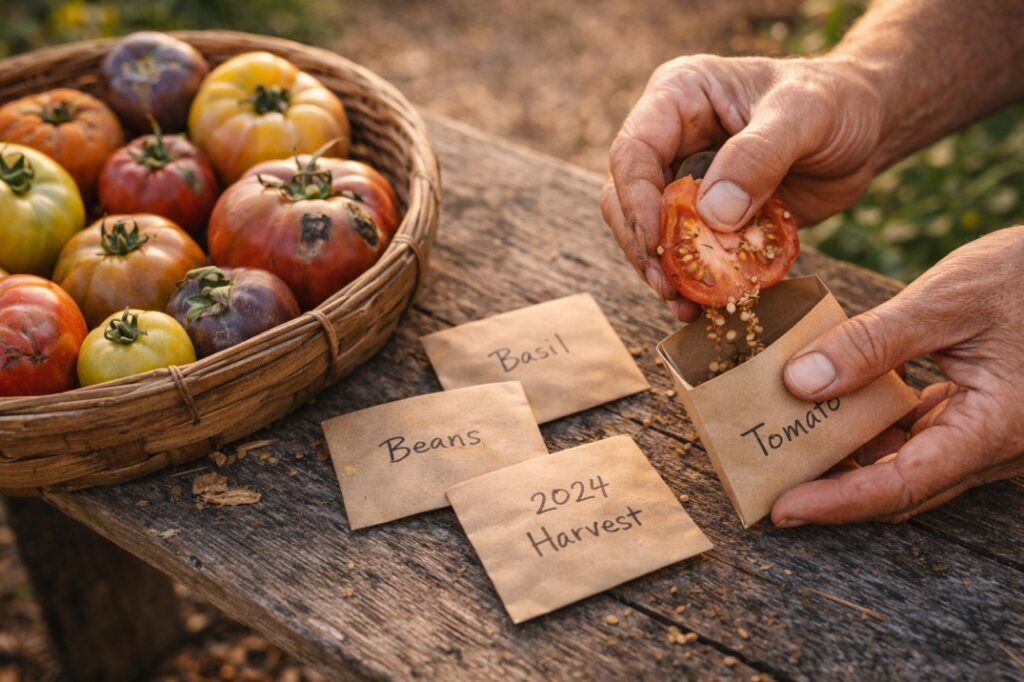
- Become a Seed Saver: This is the most empowering step. At the end of the season, let your finest, healthiest plant go to flower and produce seeds. Learn to save seeds from tomatoes, beans, lettuce, and peas. You’ll preserve genetic diversity and develop your own locally adapted varieties. It connects you to the ancient rhythm of the harvest.
- See “Waste” as a Resource: In your organic gardening Australia backyard, there is no waste. Autumn leaves are carbon for your compost. Spent pea vines are nitrogen-rich green material. Even the weeds you pull (before they seed) can be tossed in the compost to return their nutrients to the soil. Nothing needs to leave your property.
Your First Season: A Gentle, No-Stress Plan
The biggest mistake is trying to do it all at once. Don’t. Start small and grow your skills alongside your garden.
Month 1: Get a compost bin or worm farm. Start putting your veggie scraps in it. Feel the satisfaction of making your first resource.
Month 2: Prepare one square metre of garden. Mix in bagged organic potting mix and some of your (or store-bought) compost. Plant three cherry tomato seedlings and a few basil plants. Mulch them thickly.
Month 3: Plant a punnet of alyssum or some dill seeds nearby to attract your insect security team. Watch, water in the mornings, and learn.
Building your organic gardening Australia backyard is a journey of a thousand small, good decisions. There will be failures—every gardener has them. The snails will win a battle. A heatwave will test you. But each season, your soil will get darker and richer. Your understanding will deepen. The flavours will astonish you.
You’re not just growing food. You’re growing health, knowledge, and a little patch of natural balance. You’re creating a legacy in your own backyard, one organic harvest at a time. Now, go get your hands dirty.